A Knight of the Seven Kingdoms Finale: Tears, Twists, and Targaryen Futures
The finale of 'A Knight of the Seven Kingdoms' delivers a deeply emotional conclusion, exploring Dunk's despair, the legacy of Targaryens, and the pivotal choices that will shape Westeros. Key Easter eggs and character developments set the stage for future conflicts.

A Knight of the Seven Kingdoms Finale: Tears, Twists, and Targaryen Futures
The dust has settled on the Ashford Meadow tournament, and the finale of A Knight of the Seven Kingdoms delivers a poignant, character-driven conclusion that masterfully weaves together the threads of loss, loyalty, and the looming shadow of future conflicts. While the episode may not boast the explosive plot developments of its penultimate installment, it offers a rich tapestry of emotional resonance and crucial setup for the unfolding saga of Westeros.
Dunk’s Despair and a Lord’s Offer
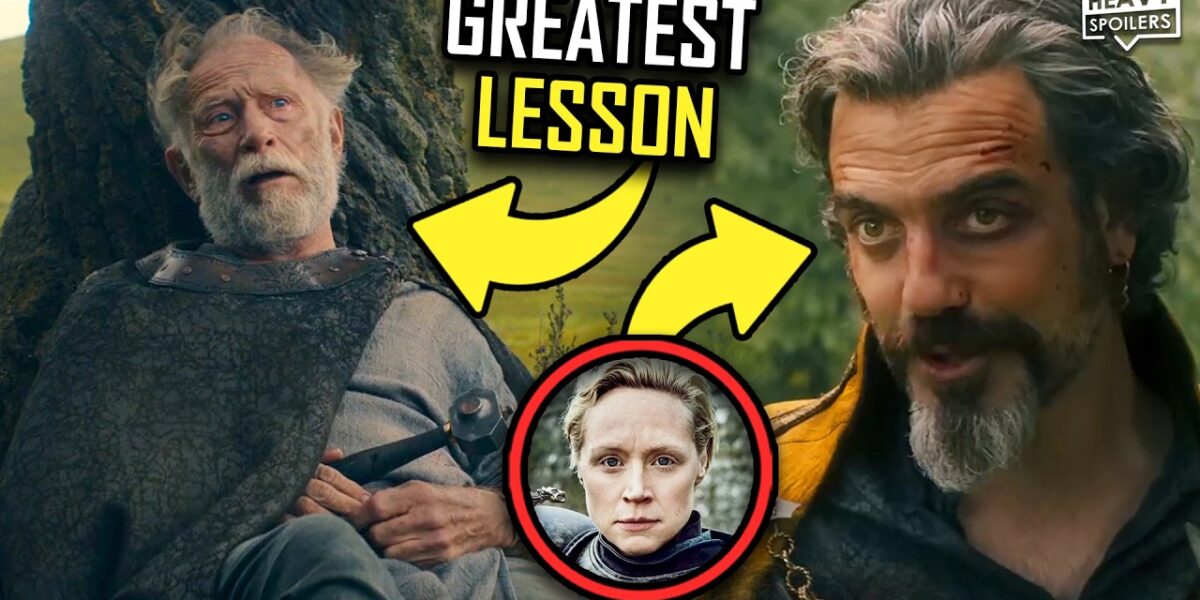
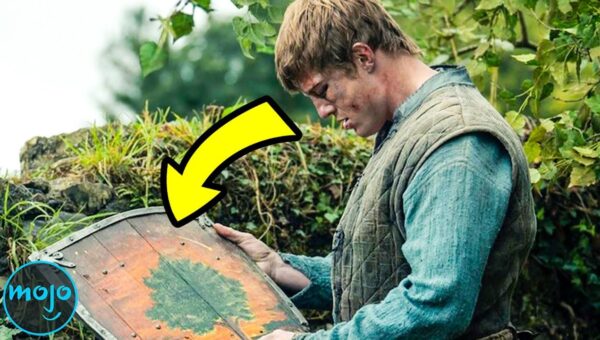
We open on Ser Duncan the Tall, or Dunk, at his lowest ebb. Literally slumped against the very tree that has served as his shelter throughout the season, his shattered shield a potent symbol of his dashed hopes for glory. Lord Lyonel Baratheon, a man whose jovial yet pragmatic outlook contrasts sharply with Dunk’s earnest idealism, offers solace in the form of wine and a poignant observation: “It’s been a wonderful tournament. Shame it’s all over.” Lyonel, who viewed the tournament as a “sham,” is ready to move on, his sights set on the peace of hunting and sailing. This mirrors the sentiment of his descendant, Robert Baratheon, who famously found peacetime “dull.”
Lyonel sees in Dunk not just a hedge knight, but a man of unwavering loyalty and spirit. He extends an offer for Dunk to join him, a prospect that, while fulfilling Dunk’s lifelong dream of serving a lord, also carries the weight of unexpected consequences. Dunk’s journey has been a series of desires met with unforeseen challenges: wishing to sleep in a castle only to find himself in a cell, desiring to be a knight in a tourney only to be thrust into a Trial of Seven. Ultimately, Dunk chooses the open road, embracing his identity as a hedge knight by choice, despite the allure of noble patronage.
Echoes of Brienne and the Weight of Legacy
Lyonel’s mention of “Tooth,” an island off the coast of the Stormlands, immediately sparks recognition for fans familiar with the Game of Thrones universe. This serves as a significant Easter egg, directly referencing Brienne of Tarth, a formidable warrior and key character in the original series. The connection is solidified by Brienne’s own memories in George R.R. Martin’s novels, where she recalls a shield strikingly similar to Dunk’s in her father’s castle. This has long fueled fan theories that Dunk is Brienne’s ancestor, a connection Martin has teased will be explored further.
The series, adapted from Martin’s Tales of Dunk and Egg novellas, is setting a clear path. “The Sworn Sword” is expected to follow, leading into “The Mystery Knight.” The future beyond that remains speculative, but hints of stories like “The She-Wolves of Winterfell” suggest a continued expansion of this rich lore, potentially laying groundwork for Dunk’s eventual journey to places like Tooth.
Maester’s Mysteries and Targaryen Funeral Rites
The episode also offers a fascinating glimpse into the world of the maesters. Dunk’s maester, seemingly inept, is shown with a chain adorned with symbols that hint at his varied expertise, including a seven-pointed star and an anvil, the latter being a curious addition given the maesters’ purported lack of smithing skills. A coiled dragon symbol also sparks intrigue, hinting at a rare mastery of Valyrian steel, though this maester’s competence is questionable.
The funeral pyre for Prince Aerion Targaryen provides a somber and visually striking scene. While lacking the dragons that would typically ignite such a pyre, the Targaryen tradition of cremating their dead is powerfully conveyed. The depiction of Aerion’s body, though altered from the book’s description of his exposed, cracked skull, still carries a weight of tragedy. The presence of only two Kingsguard knights at the pyre, instead of the three who fought in the Trial, suggests the severity of their injuries.
A Prince’s Grief and a Knight’s Burden
Aerion’s son, Prince Maekar, grapples with the loss of his father, a man he clearly admired, seeing him as a potential successor to Aegon the Conqueror. Maekar’s grief is palpable as he confronts Dunk, questioning why the gods would spare a hedge knight while taking his father. This moment underscores the brutal unfairness of the trial’s outcome, where Aerion died defending Dunk after the fight was, by all accounts, over.
The conversation between Maekar and Dunk delves into the thorny issue of kinslaying. Maekar, though perhaps not the one who delivered the fatal blow, carries the burden of his mace’s involvement in Aerion’s death. This echoes the historical weight of kinslaying in Westeros, a curse that has befallen powerful figures and brought ill fortune. Dunk, however, offers a crucial perspective: Aerion died defending him, absolving Maekar of direct culpability and highlighting the tragic circumstances rather than malice.
Seeds of Rebellion and Unforeseen Futures
Lyonel Baratheon’s musings on the Targaryens’ waning power and the growing discontent among the lords hint at the future instability of the realm. The sentiment that the “only good dragon is a dead dragon” resonates, foreshadowing the eventual downfall of the Targaryen dynasty. The show subtly positions these events as precursors to the Mad King’s demise and the subsequent rise of Robert Baratheon’s rebellion, a conflict that will reshape Westeros.
The series also plants seeds for future storylines, particularly the potential for a Second Blackfyre Rebellion, which occurred just a few years after the events of this episode. The cryptic hints about Henry Cavill’s potential involvement, though officially downplayed, add another layer of intrigue for fans speculating about connections to other eras of Westerosi history.
Egg’s Choice and Dunk’s New Path
The episode culminates with a pivotal moment for Aegon Targaryen, or Egg. Witnessing Dunk’s pain and his own father’s grief, Egg makes a profound choice. He overhears Dunk’s reluctance to take on another squire, a sentiment born from the trauma of his previous squire’s death and the inherent dangers of their path. Egg, however, insists, driven by a desire to stay with Dunk and perhaps to find his own purpose away from the gilded cage of his royal upbringing.
The visual parallel between Egg and Dunk’s conversation by the window and Dunk’s earlier cell scene is striking. This time, they are side-by-side, representing a newfound equality and a shared future. Egg’s choice to squire for Dunk, despite his royal lineage and the potential disapproval of his father, marks a significant turning point. It’s a decision that promises to shape his destiny, potentially steering him away from the path of his more volatile relatives and towards a more grounded, honorable future, mirroring Dunk’s own journey.
A Future Forged in Loyalty
As A Knight of the Seven Kingdoms concludes, it leaves viewers with a sense of hopeful melancholy. Dunk, despite his trials, has found a measure of peace and a new purpose. Egg has taken a bold step towards forging his own identity. The echoes of past tragedies and the whispers of future conflicts serve as a potent reminder of the cyclical nature of power and the enduring strength of loyalty in the unforgiving world of Westeros.
Source: KNIGHT OF THE SEVEN KINGDOMS Episode 6 Ending Explained & Breakdown | Game Of Thrones Easter Eggs (YouTube)

Related Articles

Hedge Knight Premiere Delights Game of Thrones Fans
The highly anticipated "A Knight of the Seven Kingdoms: The Hedge Knight" has premiered, delighting fans with its faithful adaptation of George R.R. Martin's "Tales of Dunk and Egg." The series offers a grounded, character-driven narrative set decades before Game of Thrones, focusing on the charming hedge knight Dunk and his squire, Egg.

A Knight of the Seven Kingdoms: The Ending Revealed!
The season finale of 'A Knight of the Seven Kingdoms' concludes with Dunk and Egg on the run from the Crown, setting the stage for new adventures. The trial's fallout reshapes Westeros' political landscape, solidifying Dunk's role as protector and Egg's path towards destiny.
A Knight of the Seven Kingdoms: Every Hidden Detail
Dive into the rich tapestry of 'A Knight of the Seven Kingdoms: The Hedge Knight,' as we uncover the hidden details, easter eggs, and subtle lore woven into the upcoming HBO series. From character nuances to symbolic imagery, discover what even dedicated fans might have missed.