A-10 Warthogs Dominate Strait of Hormuz
The A-10 Thunderbolt II, or "Warthog," is proving highly effective in the Strait of Hormuz, destroying Iranian fast attack craft and mine-laying boats. Operation Epic Fury sees the jets using their 30mm cannon and precision munitions to ensure freedom of navigation and global energy security.

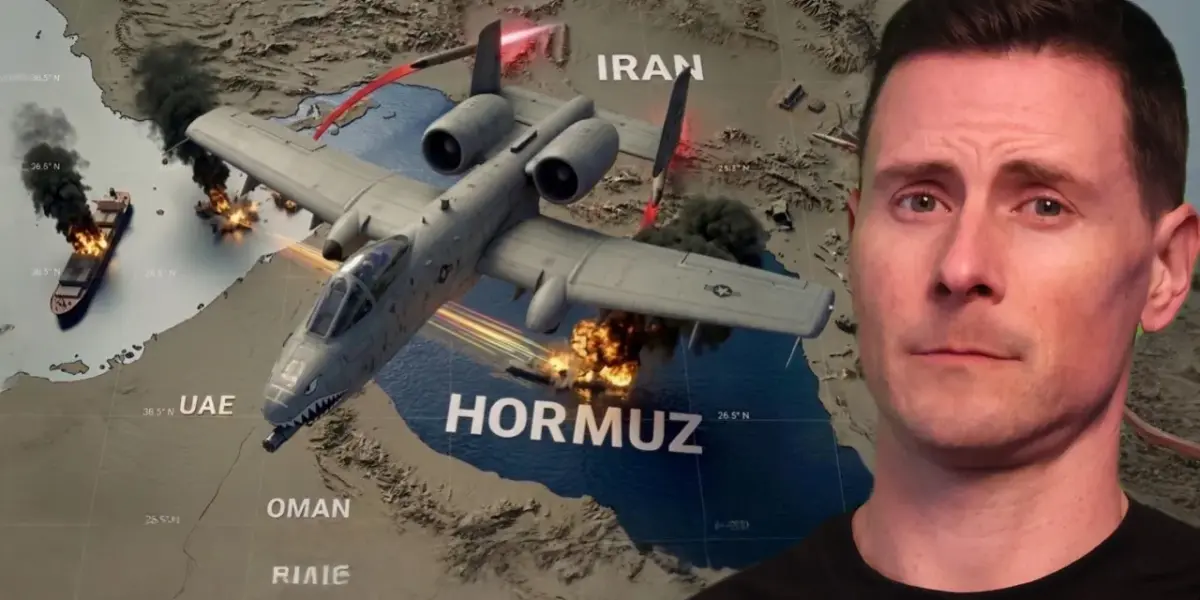
A-10 Warthogs Dominate Strait of Hormuz in Operation Epic Fury
In the narrow 21-mile-wide Strait of Hormuz, a critical global shipping lane, the U.S. Air Force’s A-10 Thunderbolt II aircraft, affectionately known as the “Warthog,” are playing a pivotal role in Operation Epic Fury. For 21 days, these ground-attack jets have been actively engaging and destroying fast attack craft belonging to Iran’s Islamic Revolutionary Guard Corps (IRGC). The Warthogs are flying low and slow, a tactic perfectly suited for the confined space, turning the strait into a deathtrap for Iranian vessels.
The IRGC’s fast attack craft and mine-laying boats have been attempting to swarm the strait and disrupt shipping. However, the A-10s are using their powerful GAU-8 Avenger 30mm Gatling gun to devastating effect. This cannon fires up to 3,900 rounds per minute, including armor-piercing depleted uranium rounds. These rounds are capable of shredding lightly armored vessels, turning them into “floating confetti,” as described. In addition to the cannon, the A-10s are employing precision-guided munitions like the AGM-65 Maverick missile and small diameter bombs for surgical strikes.
Maritime Interdiction Operations Intensify
This operation represents a significant escalation in maritime interdiction efforts. The A-10’s mission is to neutralize threats to commercial shipping and ensure freedom of navigation for U.S. and allied vessels. Over the past 12 hours alone, Warthog aircraft have been striking IRGC fast attack boats along Iran’s southern coast, even as Iranian officials issue defiant rhetoric. In some instances, the mere presence of the A-10s flying overhead has reportedly caused IRGC boats to surrender.
The A-10’s design makes it uniquely suited for this type of mission. While typically used for close air support against ground targets, its ability to fly low and slow while carrying heavy ordnance makes it highly effective against maritime threats in confined areas. The aircraft can loiter for extended periods, providing persistent air cover and allowing pilots to identify and engage targets with precision.
Debunking Iranian Claims
Amidst these operations, Iran has made several claims regarding downed U.S. aircraft. The IRGC released footage they claim shows the downing of an F-35 Lightning II with a surface-to-air missile. However, analysis suggests this footage is likely AI-generated, noting inconsistencies in thermal signatures. U.S. officials, including U.S. Central Command (CENTCOM), have stated that the F-35 in question landed safely, potentially due to maintenance issues rather than hostile fire. Such incidents highlight the ongoing information warfare accompanying military actions.
Iran has also claimed to have hit the USS Abraham Lincoln aircraft carrier multiple times. However, there has been no independent confirmation of these claims, and U.S. military officials have dismissed them. Additionally, claims of an F-15 being shot down by a YAK-130 trainer jet have been countered by Israeli footage showing an F-35 destroying a YAK-130. These discrepancies underscore the challenges in verifying battlefield claims during active conflict.
Strategic Implications: Securing Global Energy Flows
The Strait of Hormuz is a critical chokepoint for global energy supplies, with a significant portion of the world’s oil passing through it daily. Iran’s attempts to disrupt shipping in the strait pose a direct threat to global economic stability. The A-10’s operations are designed to counter these threats, ensuring the continued flow of oil and maintaining freedom of navigation.
The successful interdiction of IRGC vessels by the A-10s is shifting the balance of power in the region. Iran’s strategy of using small, fast attack craft and mines to threaten shipping is being systematically dismantled. This has significant implications for Iran’s ability to project power and influence in the Persian Gulf. The sustained pressure on Iran’s naval assets, coupled with strikes against missile sites and proxy forces in Iraq, suggests a broader strategy to degrade Iran’s military capabilities and deter further aggression.
What This Means on the Ground
For the IRGC, the presence of A-10s over the Strait of Hormuz means their fast attack craft and mine-laying operations are under direct and constant threat. The aircraft’s ability to loiter and engage targets with precision means that any attempt to disrupt shipping is likely to be met with swift and decisive action. This persistent air presence effectively denies Iran the ability to establish a sustained blockade.
The A-10’s effectiveness is further amplified by its robust design. The aircraft features a titanium armored cockpit, redundant flight controls, and self-sealing fuel tanks, making it highly survivable. Its GAU-8 cannon, with its massive firepower, is a deterrent in itself. The aircraft’s ability to operate at low altitudes also makes it difficult for enemy radar systems to track and target.
Broader Geopolitical Impact
The successful operations in the Strait of Hormuz demonstrate the U.S.’s commitment to maintaining freedom of navigation and ensuring global energy security. This action sends a clear message to Iran and other potential adversaries about the consequences of attempting to disrupt international maritime trade. The ongoing campaign also highlights the adaptability of U.S. military assets, with the A-10, a platform designed for ground attack, proving highly effective in a maritime interdiction role.
The campaign has reportedly resulted in the damage or sinking of approximately 120 Iranian naval vessels, with missile and drone threats reduced by over 90%. As Operation Epic Fury continues, the U.S. aims to further degrade Iran’s offensive capabilities and accelerate the restoration of full freedom of navigation in the Strait of Hormuz. The strategic goal is to isolate Iran and weaken its capacity to threaten regional stability.
Source: A-10 Warthogs Are UNLEASHING HELL on Iran's Boats in the Strait of Hormuz (YouTube)

Related Articles


U.S. Iran Tensions Rise Amid Shifting Alliances
Rising tensions between the U.S. and Iran are creating a volatile geopolitical situation. With conflicting signals on de-escalation and potential shifts in alliances like NATO and U.S.-Israel relations, the path forward remains uncertain. The global economy and regional stability hang in the balance.


Trump Halts Iran Strikes Amid Stalled Diplomacy
President Trump announced a pause on planned strikes against Iran, citing productive talks, though Iran denies negotiations occurred. Reports also suggest a potential U.S. ground operation on Iran's Hark Island. The situation raises concerns about international support for Ukraine and potential shifts in U.S. foreign policy.


Iran’s Missile Threat Reduced by 90%, Analyst Says
An analyst reports that Operation Epic Fury has degraded Iran's missile launchers by 90%, despite challenges in targeting hidden sites. The conflict's duration and media coverage are also discussed, with implications for global energy markets and investor confidence.