A-10 Warthog Unleashed: Is This Tank Buster Iran’s Worst Nightmare?
The legendary A-10 Warthog is back in action, demonstrating its unique capabilities against Iranian-backed threats in the Middle East. From strafing militias to taking down drones, this 'flying tank' proves its enduring value in modern warfare.

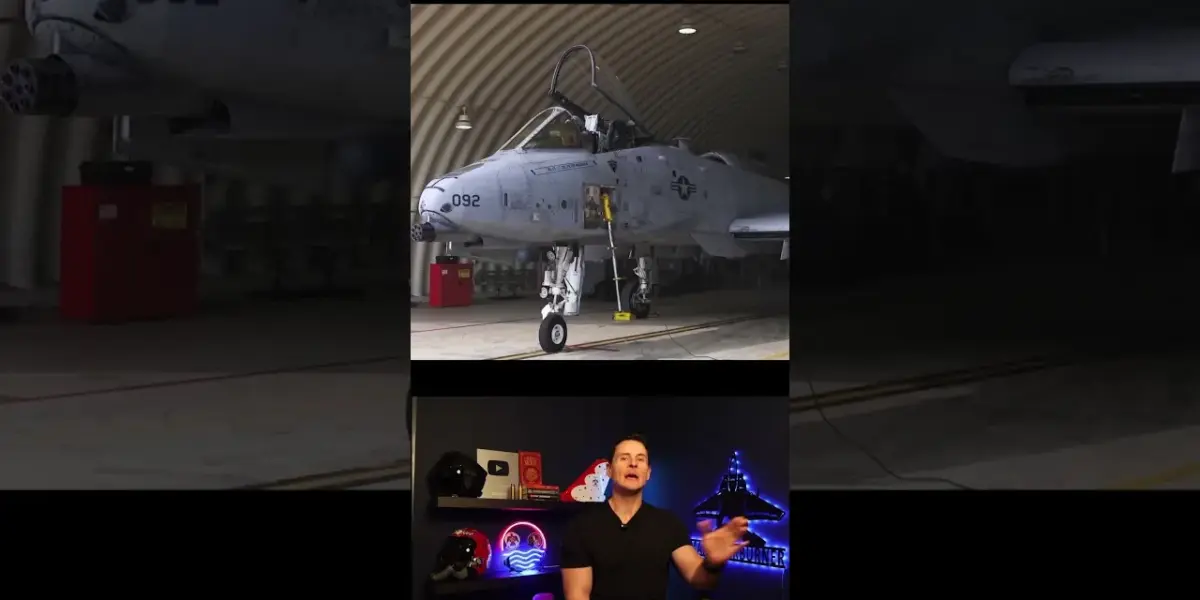
A-10 Warthog Deployed: A New Era of Air Power Against Iranian Threats?
The iconic A-10 Thunderbolt II, affectionately known as the “Warthog,” has seemingly been deployed in a significant capacity, with recent reports and visual evidence suggesting its active role in confronting Iranian-backed militias and threats in the Middle East. U.S. Central Command (CENTCOM) has released imagery of these formidable aircraft refueling mid-air, a clear signal of their readiness and operational reach. This deployment marks a potentially pivotal moment, showcasing the Warthog’s unique capabilities in a region fraught with asymmetric warfare and evolving aerial threats.
The Warthog’s Arsenal: More Than Just a Cannon
While the A-10 is most famous for its GAU-8 Avenger rotary cannon – a weapon capable of unleashing devastating firepower – its utility extends far beyond ground-pounding. The aircraft is reportedly being utilized for a variety of missions:
- Strafing Iranian-backed militias in Iraq: The Warthog’s low-and-slow flight profile and robust armament make it exceptionally effective against ground targets, offering a potent deterrent and offensive capability against irregular forces.
- Engaging fast boats in the Strait of Hormuz: With its precision-guided munitions and ability to operate at low altitudes, the A-10 is well-suited to counter the threat posed by small, fast-moving naval craft, which have been a concern in this critical waterway.
- Targeting drones with APKWS rockets: The proliferation of drones by state and non-state actors presents a significant challenge. The A-10’s ability to employ Advanced Precision Kill Weapon System (APKWS) rockets – laser-guided munitions – makes it an ideal platform for precisely striking these often elusive aerial targets. The transcript highlights the A-10’s advantage in this role: “low, slow, flying in right behind these drones and just striking them down at will.”
- Utilizing AGM-65 Maverick missiles: For more distant or heavily fortified targets, the A-10 carries the AGM-65 Maverick air-to-ground missile, enabling “pinpoint air-to-ground kills.”
A Strategic Reaffirmation of a Classic Design
The potential resurgence of the A-10 in such a high-stakes environment is a testament to its enduring design and the foresight of the U.S. Air Force’s decision to keep it operational. Despite numerous calls for its retirement in favor of more modern, multi-role aircraft, the Warthog’s specialized capabilities appear to be proving invaluable. The transcript states, “America’s flying tank is proving why never retiring this thing was one of the best decisions the US Air Force ever made.” This sentiment underscores the A-10’s unique niche: survivability in contested airspace and unparalleled effectiveness in close air support and counter-insurgency operations.
The mention of the U.S. having “over 15,000 targets at this point” being hit could refer to a broader campaign, and the A-10’s potential role in opening up the Strait of Hormuz further suggests its application in securing vital maritime chokepoints. This implies a strategic shift or intensification of operations aimed at deterring Iranian aggression and ensuring freedom of navigation.
Why This Matters
The deployment of the A-10 in this context signifies several critical points. Firstly, it highlights the persistent and evolving nature of threats in the Middle East, particularly those emanating from or supported by Iran. The use of drones and asymmetric naval tactics necessitates specialized responses, and the A-10 appears to fit that bill. Secondly, it underscores the value of dedicated, albeit older, platforms when they possess unique capabilities that newer, more generalized aircraft may not replicate as effectively or affordably. The A-10’s rugged design, advanced targeting systems, and devastating GAU-8 cannon make it a formidable close air support and anti-armor platform that is difficult to replace in certain scenarios.
Furthermore, this situation raises questions about the future of air power in counter-insurgency and asymmetric warfare. While fifth-generation fighters dominate headlines with their stealth and speed, the A-10 demonstrates that there is still a critical role for slower, more heavily armed, and survivable aircraft. The ability to loiter over a target area, provide persistent surveillance, and deliver precise, overwhelming firepower remains a vital component of modern military operations.
Historical Context and Background
The A-10 Thunderbolt II was designed in the 1970s specifically to counter Soviet armored forces during the Cold War. Its distinctive design, with engines mounted high on the fuselage to protect them from ground fire and its powerful Gatling gun, was optimized for survival and effectiveness in a high-threat ground-attack environment. Throughout its service life, it has proven its mettle in conflicts like the Gulf War, where it played a crucial role in destroying Iraqi armor, and subsequent operations in Afghanistan and Iraq. Its survivability, often attributed to its ability to withstand significant battle damage, has earned it the moniker “flying tank.”
The debate over the A-10’s retirement has been ongoing for years. Proponents of retirement argue that its single-mission focus and aging airframe make it vulnerable in peer-on-peer conflicts against advanced air defenses. They advocate for platforms like the F-35, which offers multi-role capabilities and stealth. However, the Warthog’s supporters argue that its lower operating cost, specialized effectiveness against ground threats, and survivability in lower-threat environments make it indispensable, especially for prolonged counter-insurgency campaigns and for supporting ground troops under fire.
Implications, Trends, and Future Outlook
The current deployment suggests that the U.S. Air Force recognizes the A-10’s continued relevance, particularly in scenarios involving Iranian-backed proxies and the complex threat landscape of the Middle East. The ability to effectively counter drones and fast-attack craft without risking more expensive, advanced platforms is a significant advantage. This could indicate a trend towards leveraging specialized assets for specific threats, rather than relying solely on multi-role platforms for every mission.
The future outlook for the A-10 remains uncertain, but its current operational tempo suggests that its service life may be extended further than previously anticipated. The operational successes reported could bolster arguments for continued investment in its maintenance and upgrades. As drone warfare becomes increasingly prevalent and asymmetric threats persist, the Warthog’s unique skill set may ensure its continued presence on the front lines, proving that sometimes, the old ways are still the best ways to handle certain dangers.
The A-10’s role in potentially securing the Strait of Hormuz also speaks to the enduring importance of naval power projection and the need to safeguard critical global trade routes. Its deployment signals a readiness to employ robust air power to maintain stability and deter aggression in a region vital to global energy security.
Source: A-10 Warthog Just UNLEASHED On Iran (YouTube)

Related Articles


Israel Escalates Iran Strikes, Warns of Wider War
Israel has launched significant strikes inside Iran following continued missile fire, warning of further escalation. The conflict risks wider regional instability and economic disruption, especially concerning the Strait of Hormuz.
US Troops Wounded in Saudi Base Attack by Iran
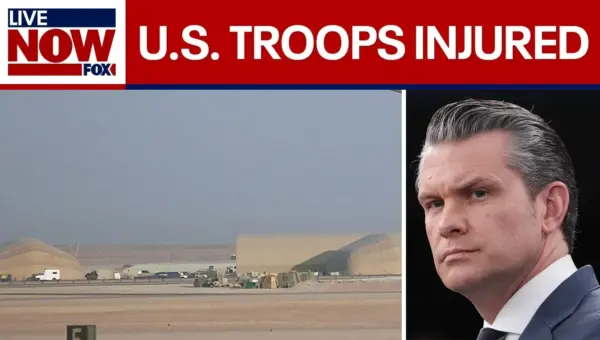
An Iranian missile attack on Prince Sultan Air Base in Saudi Arabia wounded multiple U.S. service members and damaged aircraft. The incident highlights the ongoing risks in the Middle East and the limitations of air defense systems. Analysts discuss the strategic implications, economic pressures, and the isolation of Iran amidst the conflict.


Trump Critical of NATO as Iran Conflict Escalates
President Trump voiced frustration with NATO's lack of involvement in the Iran conflict while the U.S. military prepares for a sustained campaign. Reports indicate significant damage to Iran's military, but tensions remain high with ongoing missile strikes and a recent attack on a Saudi air base wounding U.S. personnel.