Trump Administration Grapples with Explosive Dual Sex Scandal Involving Labor Secretary and Husband
The Trump administration is once again embroiled in a deep-seated scandal, this time centered on Labor Secretary Lorie Chavez Durmer and her husband. Allegations range from the husband sexually assaulting staffers on video to the Secretary herself fostering a hostile work environment, taking subordinates to a strip club, and engaging in an alleged affair, raising serious questions about ethical conduct and accountability at the highest levels of government.

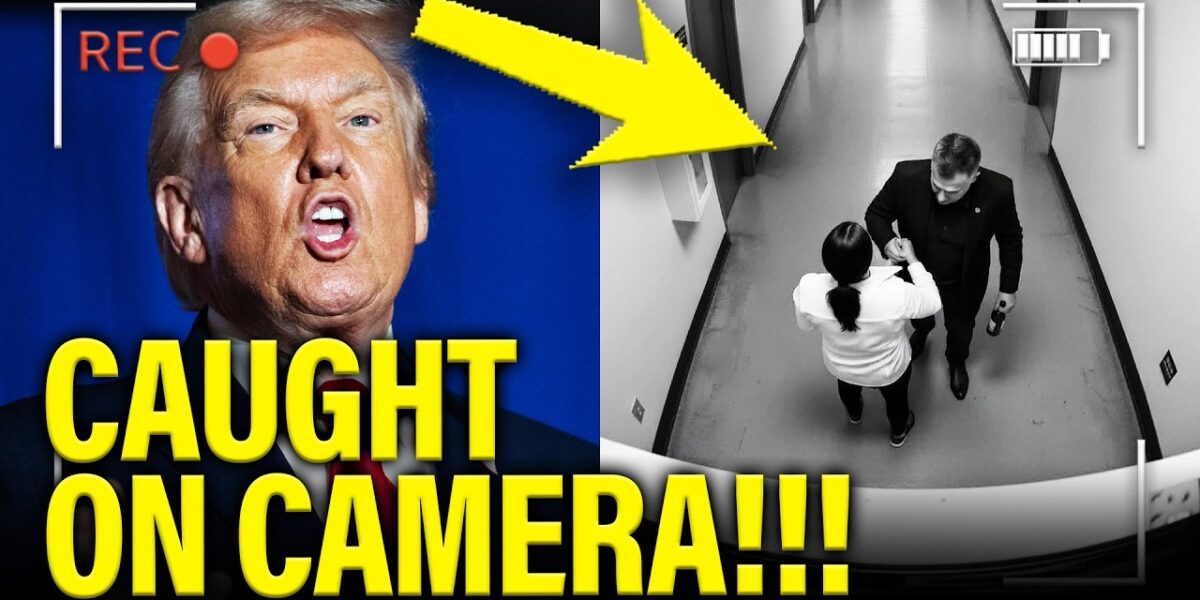
Trump Administration Grapples with Explosive Dual Sex Scandal Involving Labor Secretary and Husband
The Trump administration finds itself once again at the epicenter of a major scandal, as explosive allegations surface against Labor Secretary Lorie Chavez Durmer and her husband. The unfolding drama involves accusations of sexual assault, a hostile work environment, inappropriate conduct with subordinates, and an alleged cover-up, casting a long shadow over the Department of Labor and raising profound questions about ethical standards within the highest echelons of government.
Reports indicate that two separate investigations are underway, revealing a pattern of misconduct that allegedly dates back to at least December. At the heart of the initial allegations is the Secretary’s husband, who has reportedly been banned from the hallways of the Department of Labor (DOL) after being accused of sexually assaulting two female staffers. Crucially, these alleged assaults were reportedly captured on video, providing a stark and undeniable record of the events.
However, the scandal extends beyond the actions of the Secretary’s husband. The Inspector General (OIG) for the Department of Labor, despite what critics describe as an environment often perceived as compromised under the Trump administration, appears to be pursuing a rigorous investigation into Secretary Durmer herself. Allegations against the Labor Secretary include fostering a hostile work environment, taking subordinates to a strip club in Oregon, and engaging in an alleged extramarital affair, with the OIG reportedly seeking video evidence of these activities.
A Web of Allegations: Sexual Assault and Workplace Misconduct
The severity of the accusations against Secretary Durmer’s husband cannot be overstated. The New York Times and other media outlets have reported that he is now prohibited from entering the Department of Labor premises due to allegations of sexually assaulting two of his wife’s female staffers. The existence of video evidence of these alleged assaults adds a chilling dimension to the claims, suggesting a clear and compelling basis for the protective measures taken by the DOL.
Such an incident, if proven, represents a profound breach of trust and safety within a federal workplace. Sexual assault is a grave criminal offense, and its alleged occurrence within the corridors of a government department underscores a disturbing failure to protect employees. The prompt action of banning the husband, while necessary, also raises questions about the initial oversight and the extent to which such behavior was tolerated or enabled before coming to light.
The timing of the alleged cover-up, dating back to December, further complicates matters. If senior officials were aware of these serious allegations for months and failed to act or disclose them, it suggests a deliberate attempt to suppress information and shield individuals from accountability. This aspect of the scandal aligns with broader criticisms leveled against the Trump administration regarding transparency and ethical governance.
Secretary Durmer Under Scrutiny: Hostile Environment and Inappropriate Conduct
While the allegations against her husband are shocking, Secretary Lorie Chavez Durmer herself faces a litany of serious accusations from the Inspector General’s investigation. These claims paint a picture of a leader whose conduct has allegedly created a deeply problematic and unprofessional atmosphere within the Department of Labor.
Hostile Work Environment and Past Behavior
One of the primary allegations against Secretary Durmer is that she has fostered a “hostile work environment.” This term, in legal and ethical contexts, refers to a workplace where unwelcome conduct based on a protected characteristic (though not explicitly stated here, it often relates to gender, race, etc.) or generally abusive behavior creates an intimidating, hostile, or offensive atmosphere. For a high-ranking public official responsible for enforcing labor laws and ensuring fair workplaces, such an allegation is particularly damning.
Disturbingly, this is not the first time Secretary Durmer has faced such accusations. Reports indicate that during her tenure as a Congressperson, she was also subject to allegations of abusive workplace behavior. These past claims reportedly led to a settlement of nearly $100,000, paid by the Treasury Department, to address the fallout from her conduct. This historical pattern of behavior raises concerns about her suitability for a leadership role that inherently demands a commitment to fostering respectful and safe professional environments.
The consistent nature of these allegations suggests a deeper issue with her leadership style and her approach to managing staff. A hostile work environment can lead to low morale, high turnover, reduced productivity, and, most importantly, can cause significant distress and harm to employees. It directly contradicts the mission of the Department of Labor to promote the welfare of wage earners, job seekers, and retirees.
The Angel’s PDX Strip Club Visit
Perhaps one of the most unusual and ethically questionable allegations involves Secretary Durmer taking her underlings and staffers to the Angel’s PDX strip club in Oregon. The Inspector General is reportedly seeking video evidence of this visit, underscoring the seriousness with which this incident is being treated.
Taking subordinates to an adult entertainment venue is profoundly inappropriate for a public official, regardless of whether public funds were used (which is not explicitly stated in the transcript but would be a further point of concern). Such an action can create an uncomfortable, coercive, and potentially compromising situation for staff members, particularly those in subordinate positions who may feel pressured to comply with their superior’s activities. It blurs the lines between professional and personal conduct in a manner that is highly unethical and unbecoming of a cabinet secretary.
This incident alone raises red flags regarding judgment, professionalism, and respect for the boundaries necessary in a hierarchical workplace. It contributes to the perception of a hostile or at least highly unprofessional work environment, where staff members might feel exploited or objectified rather than valued for their professional contributions.
Allegations of an Extramarital Affair and Alcohol on the Job
Further allegations against Secretary Durmer delve into her personal conduct, with the Inspector General reportedly investigating claims of her having frequent meetings with a “lover” or “side piece” outside her marriage. These alleged clandestine meetings reportedly took place both in her Washington D.C. apartment and in a hotel room in Las Vegas, with the OIG actively seeking video evidence.
While an individual’s private life is generally considered their own, an alleged extramarital affair can become a matter of public concern and official scrutiny if it involves the misuse of government resources, time, or creates conflicts of interest. For a high-profile public official, such allegations can undermine public trust and raise questions about their judgment and integrity, especially if they are perceived as prioritizing personal indiscretions over official duties.
Adding to the concerns are allegations that the Labor Secretary maintains a “secret stash of liquor and drinks on the job.” The consumption of alcohol during official working hours, particularly by a cabinet secretary, is a serious breach of professional conduct. It can impair judgment, compromise decision-making, and send a detrimental message to staff about workplace standards and responsibility. Combined with the other allegations, it paints a picture of a leader whose personal and professional boundaries may be dangerously blurred.
The Role of the Inspector General and the Challenge of Accountability
The Department of Labor’s Inspector General plays a critical role in ensuring accountability, detecting waste, fraud, and abuse, and promoting integrity within the department. The fact that the OIG is actively pursuing these investigations, despite the political climate, underscores the gravity of the allegations.
The transcript notes that “there’s no more compromised inspector general than one working for Donald Trump,” reflecting a perception among critics that the independence of various OIGs may have been challenged during the Trump administration. However, even within this context, the pursuit of these allegations by the DOL OIG suggests that the evidence and concerns are sufficiently compelling to warrant official inquiry, indicating a potential breaking point for even those perceived as less independent.
The OIG’s relentless search for video evidence – covering both the alleged sexual assaults by the husband, the strip club visit, and the alleged affair meetings – highlights the thoroughness of the investigation and the potential for irrefutable proof to emerge. Such evidence could significantly impact the credibility and tenure of Secretary Durmer and her husband.
A Pattern of Scandals: The Trump Administration’s Ethical Landscape
The scandal involving Secretary Durmer and her husband is presented as emblematic of a broader “rot” at the top of the Trump administration, where ethical lapses, alleged cover-ups, and a perceived tolerance for misconduct have become recurring themes. The transcript draws sharp contrasts with how other nations and sectors handle similar scandals, highlighting a perceived double standard.
Global Accountability vs. Perceived U.S. Indifference
The article points to examples of high-profile individuals facing severe consequences for their involvement in sex scandals globally:
- Norway: Its ex-prime minister was indicted for relationships with Jeffrey Epstein.
- United Kingdom: Prince Andrew (now Andrew Windsor) was arrested in connection with his relationships to Epstein, and other officials in the “Stormer government” faced repercussions for similar issues.
- Other Sectors: Leaders in the entertainment industry, law, business, and academia in the United States have lost their positions and faced criminal investigations due to their connections revealed in the Epstein files.
These examples are cited to illustrate a global trend of accountability for sex scandals, contrasting sharply with the alleged leniency or cover-ups perceived within the Trump administration.
The transcript suggests that while other societies and institutions are “white knuckling” the release of sensitive information and holding powerful figures accountable, the Trump administration appears to be an outlier, allegedly dedicating significant energy to “covering up sex scandals.”
Donald Trump’s Own Controversies
A central argument is that the perceived ethical climate within the administration stems directly from the top. Donald Trump himself has faced numerous accusations of sexual misconduct and has been involved in several high-profile legal battles relating to his personal conduct:
- E. Jean Carroll Case: Trump was found liable in civil court for sexually abusing and defaming E. Jean Carroll. The case highlighted what a judge described as “gross behavior,” with the Supreme Court even postponing his appeal, underscoring the gravity of the findings.
- Stormy Daniels Case: Trump was criminally indicted and subsequently convicted in New York for falsifying business records to cover up hush-money payments made to adult film star Stormy Daniels to conceal an alleged affair before the 2016 election. This was explicitly characterized as a “cover-up about your sex acts outside your marriage.”
- Access Hollywood Tape: The infamous 2005 recording, released during the 2016 campaign, featured Trump boasting about grabbing women “by the p-word” and getting away with it because he was a celebrity. This tape became a symbol of his controversial attitudes towards women.
These incidents, according to the critique, establish a pattern of behavior and an ethical precedent from the President himself, making it less surprising that similar issues might be tolerated or overlooked within his administration. The question posed is rhetorical: “Why are we shocked that we don’t have the morality and the ethics in the White House to fire Lorie Chavez Durmer?”
“MAGA Party” and Perceived Tolerance
The critique extends to the broader “MAGA party” and Republican circles, suggesting a perceived tolerance for such ethical lapses. The transcript references an incident involving a Republican congressperson from Texas whose staffer allegedly set herself on fire due to the embarrassment of an affair with him, yet the congressman was reportedly still running for a second term. This example is used to illustrate a perceived lack of accountability and a willingness to overlook grave personal and ethical failings within certain political factions.
The adage “the fish rots from the head” is invoked, implying that the ethical decay observed in various parts of the administration is a direct reflection of the leadership at the very top. This perspective suggests that the current scandal is not an isolated incident but rather another “data point for the corruption, for the immorality, for the lawlessness of the Trump administration.”
Undermining Public Trust and Credibility
The ongoing scandal has significant implications for the credibility of Secretary Durmer and, by extension, the Trump administration. As Labor Secretary, Durmer is a key spokesperson on economic issues, often appearing on national media to discuss jobs, consumer confidence, and the administration’s economic policies. The transcript includes a clip of her discussing job numbers and economic outlook.
The question is sharply raised: “Can you trust anything she just said?” The implication is clear: when a public official’s personal and professional conduct is so deeply embroiled in scandal, their ability to speak credibly on official matters, even those seemingly unrelated, is severely compromised. Public trust is a fragile commodity, and allegations of sexual assault, hostile work environments, and inappropriate personal conduct erode it rapidly.
This erosion of trust is not limited to Secretary Durmer. The transcript also brings up Commerce Secretary Howard Lutnik, who allegedly “lied to the American people about his connections to Jeffrey Epstein.” This reference further reinforces the narrative of an administration where truthfulness and transparency are frequently questioned, and where “the cover-up is worse than any potential crime.” Lutnik’s alleged denial of connections to Epstein since 2005, only for evidence of continued interactions to emerge, serves as another example of perceived dishonesty at the cabinet level.
The Call for Accountability and the Future of the Department of Labor
The mounting allegations against Secretary Durmer and her husband have led to an unequivocal call for their removal from office. The sentiment expressed is that their marriage “needs to get off the taxpayer dime and get out of office,” making way for someone “legitimately who can be trusted” to lead the Department of Labor.
The article acknowledges that by the time information becomes widely public, high-profile officials may already be on their way out. The suggestion is that any eventual firing of Secretary Durmer would likely be a direct consequence of public outrage and pressure, rather than an internal ethical reckoning within the administration itself. This highlights the crucial role of media scrutiny and public demand in holding powerful figures accountable when internal mechanisms are perceived as insufficient.
The Department of Labor is a vital institution responsible for a wide array of programs and policies affecting American workers, including workplace safety, wage standards, and unemployment benefits. Its leadership must embody integrity, professionalism, and a steadfast commitment to the well-being of employees. The current scandal, if the allegations are substantiated, fundamentally undermines these core principles and jeopardizes the department’s ability to effectively serve the public.
Ultimately, this latest scandal involving Secretary Lorie Chavez Durmer and her husband is presented not merely as an isolated incident but as a critical reflection of a broader ethical crisis. It challenges the foundations of public service, demanding greater transparency, unwavering accountability, and a renewed commitment to the highest standards of conduct from all who serve in government.
Source: Trump Official CAUGHT ON CAMERA in SHOCK ABUSE SCANDAL (YouTube)

Related Articles
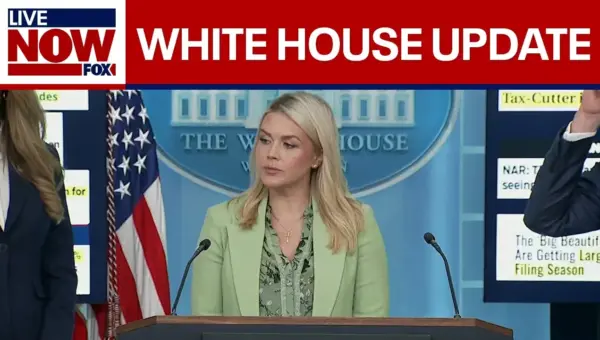
Trump Tax Cuts Deliver Billions Back to Americans
White House officials detailed the success of President Trump's "working families tax cuts" on Tax Day, reporting that over 53 million Americans have claimed significant tax savings and historic refunds. Treasury Secretary Scott Bessant and Small Business Administrator Kelly Leler highlighted benefits for individuals and small businesses, while also addressing economic outlook and international matters.

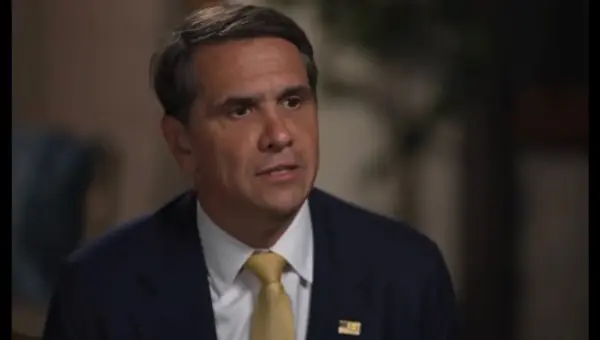
AG’s Shocking Defense: Trump’s DOJ is a ‘Good Thing’!
Acting Attorney General Todd Blanch's comments suggest the Department of Justice should openly serve the president's political agenda. This radical departure from tradition raises alarms about the politicization of justice and its impact on democracy.

Trump’s Economy Faces Recession Warnings Amid Global Fears
Global recession fears are intensifying as the IMF issues stark warnings, while a Harvard academic predicts a trillion-dollar taxpayer burden for the U.S. The Trump administration, however, continues to project optimism, creating a notable contrast with expert analyses. This divergence highlights critical questions about economic preparedness and the potential impact of global instability on American taxpayers.