A Trump Voter’s Anguish: ‘This is Not What I Voted For’ as Wife Faces Deportation to Cuba
A Florida man who voted for Donald Trump now faces the agonizing reality of his wife's potential deportation to Cuba, detained by ICE for eight months without a hearing. Wayne Deario's emotional plea highlights the unforeseen and deeply personal consequences of immigration policies, sparking a debate about voter accountability and human empathy amidst a broader crackdown.

A Trump Voter’s Anguish: ‘This is Not What I Voted For’ as Wife Faces Deportation to Cuba
The deeply personal and politically charged saga of a Florida man, Wayne Deario, has cast a stark spotlight on the complex and often unforgiving landscape of U.S. immigration policy. A staunch supporter of former President Donald Trump, Deario now finds himself in a heartbreaking predicament, pleading for his wife’s release from an immigration detention center, a situation he claims he never envisioned when casting his ballot. His wife, Yamile, a Cuban national with whom he has shared nearly two decades of life, has been held for eight months without access to an immigration judge, facing imminent deportation back to Cuba. This story, unfolding in Miami-Dade, a region with a significant Cuban-American population, highlights the profound human cost of immigration enforcement and the unforeseen consequences that can ripple through communities, even for those who championed stricter border controls.
The Unraveling: A Life Interrupted by Immigration Enforcement
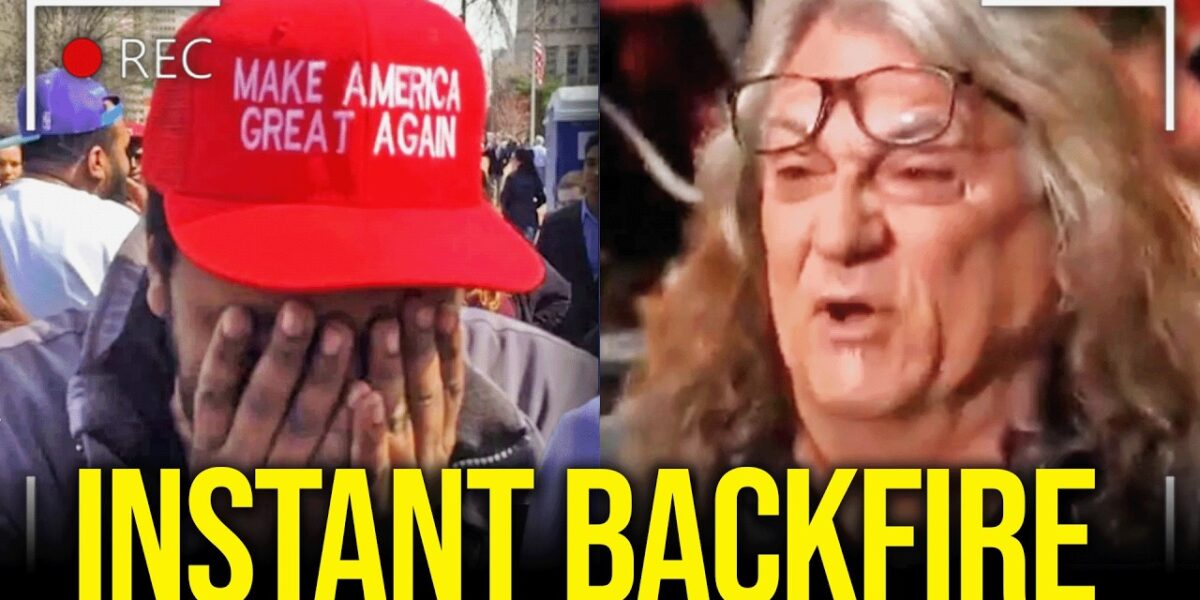
Wayne Deario’s world was irrevocably altered last June when U.S. Immigration and Customs Enforcement (ICE) agents detained his wife, Yamile, during what they believed was a routine immigration check-in. Eight months later, her fate remains in agonizing limbo. Deario, visibly distraught and emotional, recounted the harrowing experience on television, describing his wife’s detention as a “kidnapping” of his “best friend.” His tearful plea to President Trump underscored a profound sense of betrayal and regret, expressing, “This is not what I voted for. This is not what I wanted.” The emotional toll on Deario is palpable; he speaks of working overtime at a guitar shop in southwest Miami-Dade, desperately seeking distraction from his pain and the gnawing regret that consumes him.
Yamile’s journey through the U.S. immigration system is a long and convoluted one. Originally from Cuba, she lost her legal residency and received a deportation order back in 2008 following a traffic stop. During that stop, three Xanax pills were discovered in her purse. At the time, Wayne claims they didn’t anticipate serious repercussions, given the prevailing perception that Cubans were generally not deported. However, the current Department of Homeland Security (DHS) now lists her among the “worst of the worst” – a criminal arrested for dangerous drugs in possession. This classification, Wayne contends, is a “slap in the face,” a stark misrepresentation of a woman he describes as the “sweetest person” who “prayed for” the very president whose policies are now threatening to tear their family apart. Yamile, calling from her detention facility in Louisiana, vehemently denies being a criminal, her greatest fear being deportation, particularly to Cuba.
Beyond the Xanax incident, Yamile’s record reportedly includes other misdemeanor violations, such as petty theft, dating back to the early 2000s. While these details contribute to her official classification, they stand in stark contrast to Wayne’s portrayal of a devoted partner and a contributing member of society. The financial burden of this ordeal has been immense, with Wayne Deario exhausting his entire life savings on legal fees in a desperate attempt to secure his wife’s release. Friends have even initiated a fundraiser to help alleviate the crushing costs, illustrating the devastating economic impact on families caught in the immigration system’s gears.
The Political Irony: When Policies Hit Home
Deario’s story resonates with a particular, poignant irony. A self-proclaimed staunch supporter of President Trump and the Republican party, he now grapples with the direct, painful consequences of the very immigration crackdown he ostensibly supported. When asked what he thought he had voted for, Deario responded, “I really thought this was just going to be something organized, but it’s obviously not. They just blanket everybody.” This sentiment underscores a common disconnect between the broad, often abstract promises of political campaigns and the granular, often brutal realities of policy implementation.
The former President’s campaign rhetoric frequently centered on a promise to target “the worst of the worst” – dangerous criminals and repeat offenders – for deportation. However, this pledge was often coupled with an overarching goal of enacting “mass deportations.” Critics, including the commentary in the original transcript, argue that these two objectives are inherently contradictory. There is a finite number of individuals who fit the “worst of the worst” description. To achieve “mass deportations,” the net must necessarily be cast much wider, encompassing individuals who pose no threat to public safety, have deep roots in their communities, and are often simply seeking to regularize their status.
This expansion of targets is largely attributed to figures like Stephen Miller, a key architect of the Trump administration’s immigration policies. Miller, known for his hardline stance, reportedly set ambitious quotas for ICE, including a target of 3,000 detentions per day. Such quotas, critics argue, inherently pressure ICE agents to apprehend individuals beyond those deemed “the worst of the worst.” This means targeting farm workers, individuals en route to courthouses for immigration hearings, or, as in Yamile’s case, long-term residents with minor past infractions. The transcript describes this approach as “sickening” and “un-American,” suggesting a system driven by arbitrary numbers rather than judicious enforcement.
Broader Implications: The Human Cost of Mass Deportation Efforts
Wayne Deario and Yamile’s experience is not an isolated incident but rather a microcosm of a broader national phenomenon. The push for increased deportations under the Trump administration, while often framed as a matter of national security and rule of law, has consistently led to the separation of families and the detention of individuals whose stories do not align with the “dangerous criminal” narrative. Immigration advocacy groups and human rights organizations have long documented the extensive reach of ICE operations, which often ensnare individuals with deep ties to American communities, including those with U.S.-citizen spouses and children.
The lack of access to an immigration judge, as Yamile has experienced for eight months, is a critical concern within the U.S. immigration system. Due process, a cornerstone of American jurisprudence, often appears severely curtailed in immigration proceedings. Detained individuals may face lengthy waits for hearings, limited access to legal counsel, and an inability to present their cases effectively, leading to prolonged detention and, frequently, deportation orders that might have been challenged under different circumstances. The emotional and psychological toll of such indefinite detention, particularly for individuals like Yamile who fear returning to their home countries, is immense.
Moreover, the discussion in the transcript touched upon even more extreme proposals, such as the contentious idea of deporting U.S. citizens – even if legally contingent and limited to “heinous, violent criminals.” While presented as a hypothetical by officials like Caroline Leavitt, the mere suggestion of such a policy highlights the aggressive and expansive vision of immigration enforcement contemplated by some factions within the political landscape. Critics view such proposals as “batshit crazy stuff,” indicative of an administration pushing the boundaries of legal and ethical norms in its pursuit of strict immigration control.
Cuban Immigration: A Unique History and Evolving Realities
The context of Cuban immigration to the United States adds another layer of complexity to Yamile’s story. For decades, Cuban migrants enjoyed a privileged status under U.S. law, largely due to the Cuban Adjustment Act of 1966 and the subsequent “wet foot, dry foot” policy. This policy, which allowed Cubans who reached U.S. soil to generally remain and apply for legal residency, created a distinct pathway compared to other immigrant groups. While the “wet foot, dry foot” policy was rescinded in the final days of the Obama administration, a long-standing perception of relative immunity from deportation persisted within the Cuban-American community.
Miami-Dade County, where Wayne and Yamile reside, is a vibrant hub of the Cuban diaspora. Many Cuban-Americans, having fled a communist regime, are staunchly anti-communist and often align with conservative political ideologies, including support for robust border security. Wayne Deario’s experience, however, challenges this narrative, demonstrating that even those who champion stricter enforcement can find their own families entangled in the system’s dragnet. This situation forces a difficult reckoning for individuals and communities who may have historically supported policies without fully anticipating their far-reaching and indiscriminate application.
Empathy, Accountability, and the ‘Leopards Ate My Face’ Dilemma
The transcript raises a crucial ethical dilemma: how to balance accountability for one’s political choices with the imperative of empathy for human suffering. On one hand, there is the argument that voters must acknowledge the direct connection between their ballots and the resulting policies. As the transcript states, “it’s important that there is a connection between your votes and the consequence of your vote at the end of the day.” This perspective suggests that individuals like Wayne Deario, who voted for a candidate promising mass deportations, should face the “consequences of their own vote,” akin to the popular internet meme, “the leopards ate my face.”
However, the transcript also argues forcefully for the application of empathy, regardless of political alignment. “Even if you don’t have empathy for this particular guy,” the commentary posits, “this is happening to so many families.” The human suffering inherent in family separation, prolonged detention, and the fear of deportation transcends political divides. Wayne Deario’s raw emotion, his desperate plea for his wife’s return, and his financial ruin paint a picture of profound distress that evokes a universal human response, regardless of one’s stance on immigration policy or political affiliation.
This nuanced perspective suggests that while voters bear responsibility for their choices, the suffering of individuals caught in the system should not be dismissed or celebrated. The focus, as Wayne Deario himself articulates, should shift from partisan politics to fundamental human values: “It’s not about left or right. It’s about right and wrong.”
The Road Ahead: An Ongoing Struggle
As Yamile remains in detention, her fate uncertain, Wayne Deario continues his arduous fight. His story serves as a potent reminder of the tangible and often devastating impact of immigration policies on individual lives and families across the United States. It underscores the complexity of immigration debates, which are rarely reducible to simple narratives of legality or criminality. Instead, they are deeply intertwined with personal histories, emotional bonds, economic realities, and the fundamental question of how a nation defines its values and enforces its laws.
The struggle for Yamile’s release is not just a personal battle for Wayne Deario; it is a resonant echo of the thousands of families navigating the labyrinthine U.S. immigration system. Their stories collectively challenge the public to look beyond political rhetoric and consider the profound human cost of policies that, while designed to enforce borders, often tear apart the fabric of communities and lives.
Source: Trump Voter BEGS Him Not to Deport His Wife (YouTube)

Related Articles
Iran War Disliked, But Public Outrage Muted: Analysts Weigh In
Despite widespread disapproval of the Iran war, public protests remain muted in the US. Analysts cite fear of reprisal, the prolonged nature of anti-war movements, and America's energy independence as key factors. The conflict's economic impact and the lack of clear objectives continue to fuel public skepticism, though widespread suffering is not yet felt domestically.


Trump’s Blockade Fails, Allies Shun Mission: A Pattern?
A reported failure of Donald Trump's blockade of the Strait of Hormuz, with ships passing through unimpeded, raises questions about policy effectiveness. This incident, coupled with allies' reluctance to join the mission, suggests a pattern of unintended consequences and strained international relations.

Trump’s Wild Claims Fuel GOP Chaos and Public Doubt
Donald Trump's recent erratic statements and Republican figures' defense strategies are causing political turmoil. Concerns over economic misrepresentation and the handling of the Jeffrey Epstein case are mounting, leading to a public demanding more accountability and truth.