Kevin O’Leary Sounds Alarm as Supreme Court Tariff Reversal Triggers Business Compliance Chaos
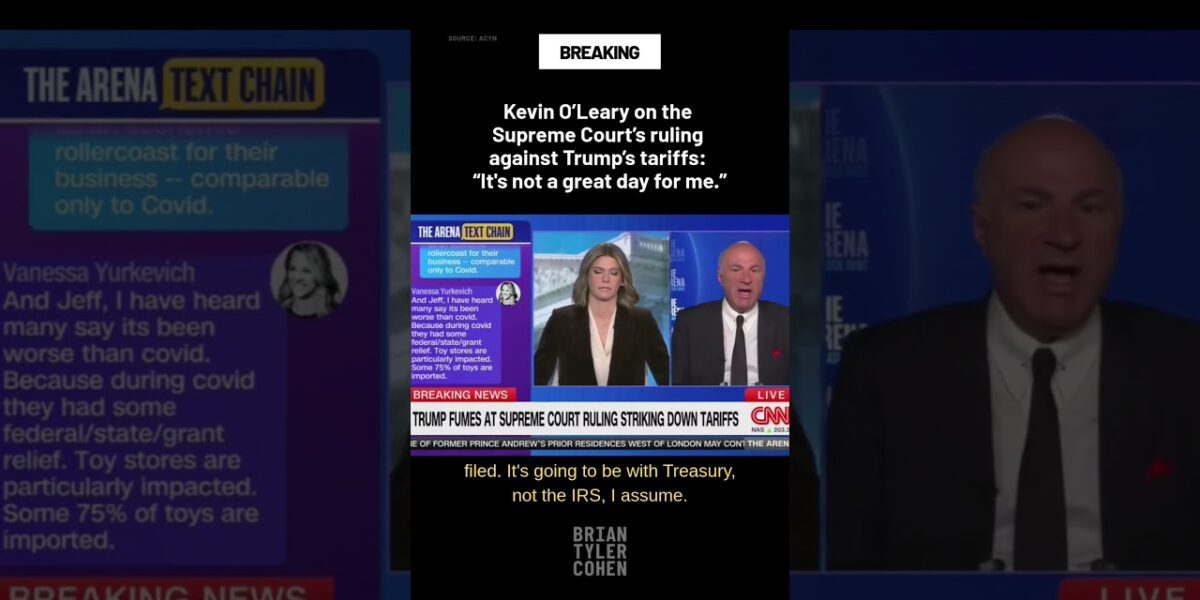
Renowned investor Kevin O'Leary expressed deep frustration after a Supreme Court ruling against Trump-era tariffs, warning of immediate financial and compliance chaos for U.S. businesses. Companies face demands from customers, lenders, and shareholders for millions in refunds, while lacking clear government guidance. O'Leary is launching wondrust.com to provide specialized accounting and legal support for this unprecedented challenge.

Kevin O’Leary Sounds Alarm as Supreme Court Tariff Reversal Triggers Business Compliance Chaos
In a candid and urgent declaration, renowned entrepreneur and investor Kevin O’Leary has voiced profound frustration following a Supreme Court decision to strike down certain Trump-era tariffs. Describing the day as "not a great day for me," O’Leary highlighted the immediate and widespread financial and logistical turmoil now gripping American businesses, particularly those in his extensive portfolio. The ruling, which appears to mandate the reversal or refund of previously collected tariffs, has unleashed a torrent of demands from customers, lenders, and shareholders, leaving companies scrambling for guidance amidst unprecedented compliance challenges.
O’Leary’s reaction serves as a stark early warning of the immense practical implications stemming from such a judicial intervention in trade policy. With businesses potentially facing obligations to refund millions of dollars in previously paid duties, the decision threatens to upend cash flows, strain credit lines, and force a re-evaluation of financial distributions across the corporate landscape. The lack of clear government directives on how to navigate this complex unwinding process has only amplified the anxiety, prompting O’Leary to take a drastic step: launching a new initiative, wondrust.com, dedicated to providing specialized accounting and legal expertise to address the looming compliance crisis.
The Supreme Court’s Landmark Decision and Its Immediate Aftermath
The Supreme Court’s decision, broadly targeting specific tariffs implemented during the Trump administration, marks a significant moment in the ongoing legal and economic debate surrounding presidential authority in trade. While the specifics of the ruling remain subject to detailed interpretation and subsequent administrative guidance, its immediate effect, as articulated by O’Leary, is a mandate for businesses to potentially reconcile years of tariff payments. This judicial intervention underscores the intricate balance of power between the executive, legislative, and judicial branches concerning international trade policy, and its profound impact on the private sector.
Unpacking the Ruling’s Implications
Although the specific tariffs challenged and overturned by the Supreme Court have not been explicitly detailed in O’Leary’s remarks, the implication is clear: the legal foundation for certain duties has been invalidated. This could pertain to tariffs imposed under Section 232 of the Trade Expansion Act of 1962 (e.g., on steel and aluminum, justified on national security grounds) or Section 301 of the Trade Act of 1974 (e.g., on goods from China, justified on grounds of unfair trade practices). Regardless of the specific legal avenue, the core issue for businesses is the retrospective nature of the ruling, necessitating a potential unwinding of financial transactions that have been integrated into supply chains, pricing strategies, and financial reporting for an extended period.
Such a reversal creates a complex administrative and financial burden. Companies that absorbed tariff costs, passed them on to consumers, or adjusted their operations based on these duties must now contend with the possibility of refunds. This isn’t merely a matter of receiving money back from the government; it’s about who, among the myriad stakeholders in the supply chain and corporate structure, is entitled to that money, and how the entire process will be managed compliantly and equitably.
Kevin O’Leary’s Candid Reaction: A Business Perspective
For an investor like Kevin O’Leary, whose portfolio encompasses a diverse array of businesses, the ruling’s impact is immediate and tangible. "It’s not a great day for me. We were humming along nicely, until this morning," he stated, highlighting the abrupt disruption to stable operations. O’Leary’s portfolio companies, some generating hundreds of millions in sales, may have collectively paid out millions in tariffs over the past 14 months alone. The expectation now is that this money, or at least a significant portion of it, must be returned to those who ultimately bore the cost.
The pressure is coming from all sides: "I got phone calls from our customers, from our lenders because we borrowed against our line of credit and from our shareholders that we reduce distributions on during this period waiting to settle on the tariffs. They all want their money back." This statement perfectly encapsulates the multi-faceted financial dilemma. Customers who paid higher prices due to tariffs may demand refunds. Lenders who extended credit based on certain financial projections, now altered by potential refunds, are seeking clarity. Shareholders, whose distributions might have been curtailed to manage tariff costs, are now expecting restitution. This confluence of demands creates an immense liquidity and compliance challenge for businesses, threatening to destabilize their financial foundations.
The Tangled Web of Tariff Reversals: A Business Nightmare
The practicalities of unwinding years of tariff collections are daunting. Unlike a simple tax refund, tariffs are often embedded in complex international supply chains, involving multiple parties, fluctuating exchange rates, and intricate pricing models. The lack of clear administrative guidance from government agencies compounds the problem, leaving businesses in a state of uncertainty and fear of non-compliance.
The Financial Ripple Effect Across Industries
The immediate financial ripple effect is perhaps the most pressing concern. A business that paid $5 million in tariffs over a little over a year, as O’Leary cited, might now need to find that capital to issue refunds. For many companies, especially small to medium-sized enterprises (SMEs), this amount could represent a significant portion of their working capital or profits. The need to suddenly disburse such sums can strain cash flow, push companies to renegotiate credit terms, or even force them to liquidate assets.
- Cash Flow Disruption: Companies that have already paid tariffs and integrated those costs into their financial models now face a sudden outflow of capital.
- Lender Pressure: Businesses often use lines of credit for working capital. If these lines were utilized to cover tariff payments, lenders will be scrutinizing the ability of these companies to repay, especially if substantial refunds are due to other stakeholders.
- Shareholder Demands: For publicly traded or privately held companies, distributions to shareholders might have been reduced or deferred to manage tariff-related expenses. Shareholders will now expect these funds to be released, creating pressure on corporate treasuries.
- Customer Refunds: The most complex aspect might be determining how to refund customers who indirectly bore the cost of tariffs through higher prices. Tracing these costs through distribution channels and ensuring equitable refunds will be an immense administrative undertaking.
This situation highlights the precarious financial position many businesses find themselves in, caught between a judicial decision and an unprepared administrative system.
Navigating Uncharted Compliance Waters
Beyond the financial strain, the regulatory and compliance challenges are a significant source of O’Leary’s frustration. "I don’t even know what how this is going to get filed. It’s going to be with Treasury, not the IRS, I assume," he remarked, underscoring the fundamental confusion. Tariffs are typically administered by Customs and Border Protection (CBP) under the Department of Homeland Security, with policy guidance from the Treasury Department and the Office of the U.S. Trade Representative (USTR). The IRS, part of the Treasury, handles domestic taxation. The distinction is crucial, as the procedures, forms, and timelines for tariff-related refunds will differ significantly from those for tax refunds.
O’Leary’s intention to seek guidance from "staffers when I get to the state of the union next week" speaks volumes about the current vacuum of official instructions. Businesses are in urgent need of clear directives on:
- Eligibility: Who is eligible for a refund? The importer of record? The end consumer?
- Documentation: What records are required to prove tariff payments and subsequent eligibility for refunds?
- Process: What forms need to be filed? Which agency is responsible for processing? What are the deadlines?
- Timeline: How long will it take for refunds to be processed and disbursed?
Without this clarity, businesses face the risk of non-compliance, potential penalties, and further legal challenges from stakeholders demanding their rightful share. "My head’s getting squeezed from the top and the bottom to be compliant. And every business in America is going through this right now," O’Leary emphasized, painting a picture of widespread corporate distress.
The Trump-Era Tariffs: A Brief Retrospective
To fully grasp the magnitude of the current situation, it’s essential to contextualize the tariffs themselves. The Trump administration significantly expanded the use of tariffs as a tool of foreign policy and economic leverage, particularly against China and on imports of steel and aluminum from various countries.
Genesis and Goals of the Tariffs
The tariffs were primarily justified under two statutory authorities: Section 232 of the Trade Expansion Act of 1962, which allows the President to impose tariffs on imports deemed a threat to national security, and Section 301 of the Trade Act of 1974, which permits tariffs in response to foreign countries’ unfair trade practices. The administration’s stated goals included:
- Protecting Domestic Industries: Shielding American steel, aluminum, and other manufacturers from what was perceived as unfair foreign competition.
- Addressing Trade Imbalances: Reducing the U.S. trade deficit, especially with China.
- Forcing Trade Concessions: Pressuring trading partners to renegotiate trade agreements and cease practices deemed detrimental to U.S. interests, such as intellectual property theft and forced technology transfer.
These policies marked a significant departure from decades of U.S. trade liberalization and sparked considerable domestic and international debate.
Economic Impact and Industry Responses
The economic impact of these tariffs was multifaceted. While some domestic industries saw a temporary boost, many others faced increased input costs, supply chain disruptions, and retaliatory tariffs from affected countries. Consumers often bore the brunt of these costs through higher prices for imported goods and products made with imported components.
- Increased Costs for Importers: Companies importing goods subject to tariffs faced higher costs, which they often passed on to consumers or absorbed, impacting profit margins.
- Supply Chain Reconfigurations: Many businesses sought to diversify their supply chains away from tariffed countries, leading to costly and time-consuming adjustments.
- Retaliatory Tariffs: U.S. agricultural exports and other goods faced retaliatory tariffs from countries like China, Mexico, and the European Union, hurting American producers.
- Uncertainty: The fluctuating nature of trade policy created an environment of uncertainty, hindering long-term business planning and investment.
The Supreme Court’s decision now adds another layer of complexity, essentially reversing the economic calculus for many businesses and potentially creating a new wave of disruptions.
Wondrust.com: A Beacon in the Compliance Storm?
In response to the unprecedented challenge, Kevin O’Leary announced a proactive and ambitious solution: the creation of wondrust.com. This initiative aims to address the critical need for specialized expertise in navigating the post-tariff refund landscape.
A Proactive Solution to a Systemic Problem
"I’m setting up a resource called wondrust.com hiring if not hundreds thousands of accountants and lawyers because I don’t know how else to be compliant and I’m going to use them with my companies. We’re just what else are we supposed to do because everybody wants their money back and I I wish I don’t know what the policyy’s going to be on that," O’Leary explained. This bold move highlights the scale of the problem and the anticipated demand for expert guidance.
Wondrust.com is envisioned as a centralized hub for businesses seeking to understand their obligations and rights concerning tariff refunds. It will likely offer services such as:
- Compliance Advisory: Interpreting government guidance (once available) and translating it into actionable steps for businesses.
- Refund Claim Preparation: Assisting companies in compiling necessary documentation and preparing refund claims to the appropriate government agencies.
- Financial Reconciliation: Helping businesses trace tariff payments, identify eligible recipients (customers, lenders, shareholders), and manage the disbursement process.
- Legal Representation: Providing legal counsel for disputes arising from refund claims or stakeholder demands.
This initiative underscores the entrepreneurial spirit of finding solutions in times of crisis, but also serves as a stark indictment of the government’s perceived lack of preparedness for the aftermath of such a significant judicial ruling.
The Growing Demand for Specialized Expertise
The decision to hire "hundreds, if not thousands" of accountants and lawyers points to a significant surge in demand for specialized expertise in trade law, customs regulations, and forensic accounting. This influx of work will likely:
- Boost the Professional Services Sector: Creating new job opportunities and a specialized niche within legal and accounting firms.
- Increase Business Costs: While necessary, engaging these experts will add another layer of expense for companies already grappling with financial pressures.
- Highlight Gaps in Corporate Preparedness: Many businesses may not have the internal resources or expertise to handle such a complex unwinding process, making external services indispensable.
Wondrust.com, if successful, could become a critical lifeline for countless businesses struggling to navigate this unprecedented regulatory maze.
Broader Economic and Political Ramifications
The Supreme Court’s ruling and its chaotic aftermath extend far beyond the immediate concerns of O’Leary’s portfolio companies. They carry significant implications for future U.S. trade policy, the balance of power within the government, and overall economic stability.
Impact on Trade Policy and Future Administrations
This decision could serve as a powerful precedent, potentially limiting the executive branch’s discretion in imposing tariffs, especially when those tariffs are challenged on constitutional or statutory grounds. Future administrations might be more cautious in their use of broad tariff powers, knowing that such measures could be subject to judicial review and potentially overturned, leading to retrospective financial obligations.
The ruling may also encourage Congress to re-evaluate and potentially reform the statutory authorities (like Sections 232 and 301) under which presidents impose tariffs. A clearer legislative framework could reduce legal ambiguity and provide more predictable parameters for trade policy, thereby minimizing future disruptions of this scale.
The Judiciary’s Role in Trade Governance
The Supreme Court’s intervention underscores the judiciary’s critical role as a check on executive power, even in areas traditionally seen as presidential prerogatives like foreign policy and trade. This reinforces the principle that even national security-based justifications for trade actions are not immune to legal scrutiny. While this provides an important safeguard against potential overreach, it also introduces an element of uncertainty into trade policy, as executive actions can be challenged and potentially reversed years after their implementation.
Consumer and Investor Confidence
The current state of confusion and the financial demands on businesses could erode consumer and investor confidence. Businesses thrive on predictability, and the sudden reversal of long-standing trade policies creates an environment of instability. Investors may become wary of investing in sectors heavily reliant on international trade, anticipating future policy shifts or judicial interventions. Consumers, already facing inflationary pressures, might also be concerned about how these reversals will affect pricing, supply, and the overall economic landscape.
Expert Perspectives and the Path Forward
Economists and legal scholars are likely to weigh in heavily on the implications of this ruling, offering insights into both the challenges and potential opportunities.
Economic Analysis of Tariff Unwinding
Economists will analyze the net economic effect of unwinding these tariffs. While the initial imposition of tariffs was often criticized for raising costs and hindering trade, their removal, especially retrospectively, also carries significant adjustment costs. The immediate disruption to businesses, as highlighted by O’Leary, could temporarily dampen economic activity, even as the long-term removal of trade barriers might be seen as beneficial.
The key challenge for policymakers will be to manage the transition efficiently, minimizing the negative impacts on businesses while ensuring equitable treatment for all affected parties. This includes considering the inflationary impact of potential refunds, the fiscal implications for the government (if it has to refund collected duties), and the broader effects on international trade relations.
Legal and Administrative Challenges
Legal experts will focus on the intricate details of implementing the Supreme Court’s decision. Questions will arise regarding the statute of limitations for refund claims, the burden of proof for businesses, and the administrative capacity of government agencies to process potentially thousands of claims. The interplay between federal agencies, particularly CBP and Treasury, will be crucial in developing a coherent and streamlined process.
The legal precedent set by this ruling will also be scrutinized, potentially influencing future challenges to executive trade actions. This could lead to a more litigious environment surrounding trade policy, with businesses and advocacy groups more readily challenging tariffs in court.
The Urgent Call for Clarity and Guidance
The most immediate and critical need, as emphasized by O’Leary, is clear and comprehensive guidance from the U.S. government. Businesses cannot comply with rules that do not yet exist or are ambiguously defined. The Treasury Department, Customs and Border Protection, and potentially other agencies must quickly issue detailed instructions on how to proceed with refund claims, who is eligible, and the administrative processes involved. This guidance should be accessible, unambiguous, and timely, providing businesses with the certainty they desperately need to navigate this complex period.
Without such clarity, the ripple effect of the Supreme Court’s decision could continue to disrupt the American economy, creating unnecessary burdens for businesses and potentially leading to further financial instability and legal disputes.
Conclusion
Kevin O’Leary’s candid remarks underscore the profound and immediate challenges facing American businesses in the wake of the Supreme Court’s decision to strike down certain Trump-era tariffs. What might appear as a victory for free trade principles on paper has translated into a "not great day" for entrepreneurs grappling with unprecedented compliance demands and financial pressures. The need to refund millions to customers, lenders, and shareholders, coupled with a vacuum of clear government guidance, has created a perfect storm of uncertainty.
O’Leary’s proactive establishment of wondrust.com highlights the entrepreneurial spirit in addressing systemic problems, but also serves as a powerful testament to the government’s perceived lack of preparedness. As businesses across the nation brace for the intricate process of unwinding years of tariff payments, the call for clear, concise, and timely administrative guidance from Washington becomes not just a plea, but an urgent imperative to prevent further economic disruption and ensure a fair and compliant path forward for American enterprise.
Source: Kevin O’Leary on the Supreme Court’s ruling against Trump’s tariffs: “It's not a great day for me.” (YouTube)

Related Articles

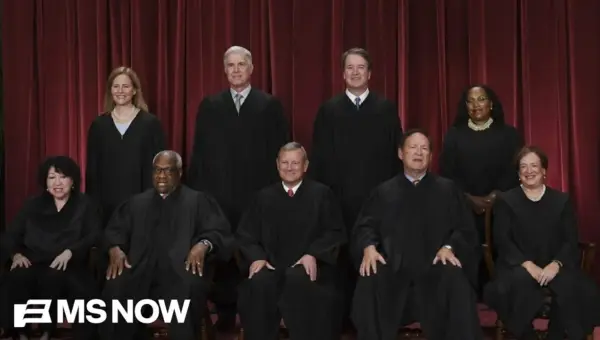
Supreme Court’s Legitimacy Tested: A Look Inside
The Supreme Court is increasingly seen as the "last branch standing" to resolve national disputes, a role that strains its legitimacy. Author Sarah Isker's new book, 'Last Branch Standing,' examines the court's internal dynamics and its complex relationship with public opinion and other branches of government.
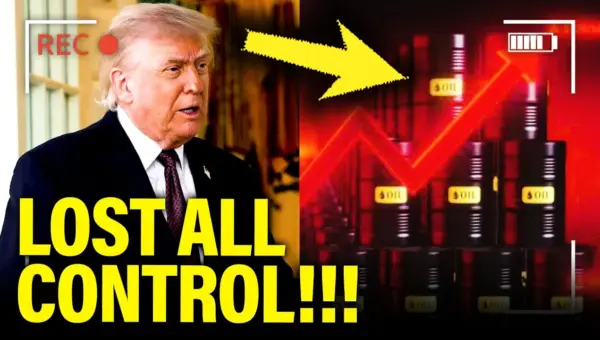
Trump’s Tariffs Ignite Inflation Crisis, Fed Stands Helpless
Inflation has surged to 3.3%, driven by a combination of energy shocks and self-inflicted tariffs. The Federal Reserve's tools are largely ineffective against this supply-driven crisis, leading to a potential for prolonged economic pain and a political opportunity to rethink economic policy.


US Beef Faces Global Strain, Seeks Domestic Boost
American cattle ranchers face rising costs and foreign competition, leading to a new voluntary labeling initiative for U.S. beef launching in 2026. This aims to empower domestic producers and inform consumers amidst complex global trade rules.