U.S. Spy Drone Vanishes Near Iran Amid Soaring Regional Tensions: A Deep Dive into Escalation Risks
A U.S. Navy MQ-4C Triton spy drone vanished after broadcasting an emergency signal near Iran on February 22nd, sparking fears of a new flashpoint. This incident unfolds amidst reports of Russia supplying advanced missiles to Iran, joint Sino-Russian naval exercises in the Strait of Hormuz, and Iran's heightened military alert, pointing to a dangerously escalating regional crisis.

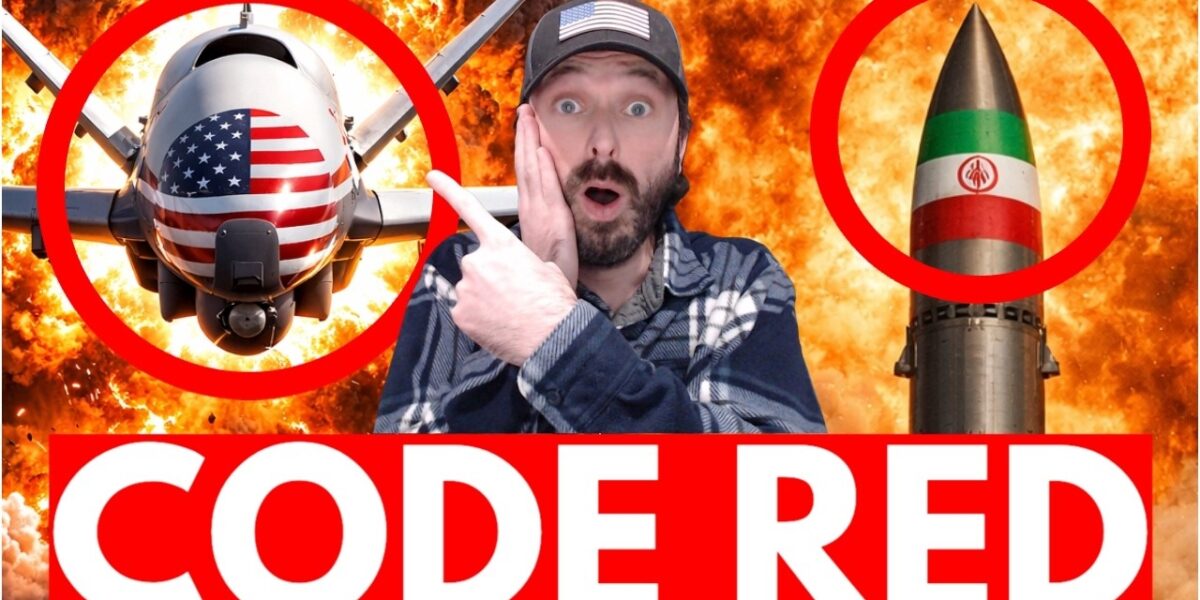
U.S. Spy Drone Vanishes Near Iran Amid Soaring Regional Tensions: A Deep Dive into Escalation Risks
A highly sophisticated U.S. Navy MQ-4C Triton reconnaissance drone reportedly broadcast an emergency signal before disappearing from radar over the Persian Gulf near Iran on February 22nd, igniting fears of a new flashpoint in the volatile region. This dramatic development unfolds against a backdrop of escalating military maneuvers, alleged Russian arms shipments to Iran, and a series of mysterious explosions across the Islamic Republic, painting a perilous picture of heightened readiness for conflict.
The Enigmatic Disappearance: A High-Stakes Incident
On February 22nd, global monitoring systems detected a critical incident involving a U.S. Navy MQ-4C Triton spy drone operating in the strategic waters of the Persian Gulf, adjacent to Iranian airspace. According to multiple reports, the advanced unmanned aerial vehicle (UAV) initiated a ‘7700 squawk’ – an internationally recognized emergency distress signal – before its telemetry abruptly ceased, and it vanished from radar screens. The precise circumstances of its disappearance remain officially unconfirmed, leaving open a spectrum of possibilities ranging from a technical malfunction to a more sinister intervention.
The MQ-4C Triton is a pivotal asset in the U.S. military’s intelligence, surveillance, and reconnaissance (ISR) architecture. Designed for high-altitude, long-endurance (HALE) missions, this Northrop Grumman-built drone is equipped with an array of advanced sensors, including maritime search radars, electro-optical/infrared cameras, and electronic support measures (ESM) systems. Its primary role is to provide persistent maritime surveillance over vast ocean areas, delivering critical data for naval operations, anti-submarine warfare, and intelligence gathering. The loss of such a valuable and technologically advanced platform, particularly in an area of significant geopolitical tension, represents a considerable operational setback and a potent symbol of escalating risks.
While U.S. officials have yet to confirm the cause of the disappearance, the mere fact that it occurred near Iranian territory immediately raises suspicions of Iranian involvement. The questions loom large: Was the drone shot down by an Iranian missile? Was it brought down through sophisticated electronic warfare (EW) tactics, jamming its systems and forcing it to land or crash? Or was it a mechanical failure exacerbated by the operational environment? The answers to these questions carry immense weight, potentially dictating the trajectory of U.S.-Iran relations in the coming days and weeks.
Echoes of Past Confrontations: A Troubling Precedent
This incident is not an isolated event but rather echoes a history of direct confrontations between the United States and Iran involving unmanned aerial vehicles. These past encounters serve as stark reminders of how quickly such incidents can escalate into broader military confrontations, pushing both nations to the brink of war.
Perhaps the most salient precedent occurred on June 20, 2019, during the first term of then-U.S. President Donald Trump. On that occasion, Iran’s Islamic Revolutionary Guard Corps (IRGC) proudly announced it had shot down a U.S. Navy RQ-4A Global Hawk surveillance drone – a predecessor and cousin to the MQ-4C Triton – over the Strait of Hormuz. Iran asserted that the drone had violated its airspace, a claim vehemently denied by U.S. officials who maintained the UAV was operating in international airspace. The incident triggered a severe diplomatic crisis and brought the two countries perilously close to armed conflict. President Trump reportedly ordered retaliatory strikes against Iranian radar and missile sites but famously called off the operation at the last minute, citing concerns over potential casualties. Instead, the U.S. opted for cyberattacks targeting IRGC missile control systems and imposed new sanctions.
Even earlier, during the Obama administration in December 2011, Iran claimed to have captured a highly classified U.S. RQ-170 Sentinel stealth drone, reportedly through advanced electronic warfare techniques that allowed them to take control of the aircraft and land it largely intact. While the U.S. initially denied the capture, eventually acknowledging the loss, the incident underscored Iran’s growing capabilities in electronic warfare and its willingness to challenge U.S. air superiority.
These historical events highlight a dangerous pattern: Iran views U.S. surveillance flights near its borders as provocative and a violation of its sovereignty, regardless of international airspace claims. The repeated targeting or capture of U.S. drones demonstrates Iran’s commitment to defending what it perceives as its territorial integrity and its evolving capacity to do so. The disappearance of the MQ-4C Triton, therefore, is not just a technical or operational concern; it is a profound geopolitical challenge that reopens old wounds and raises the specter of a repeat of the 2019 near-miss, or worse.
A Deepening Alliance: Russia’s Role in Arming Iran
Adding another layer of complexity and danger to the current situation are credible reports suggesting a significant transfer of advanced Russian military hardware to Iran. Amidst the drone’s disappearance, intelligence channels indicate that Russia has allegedly begun shipping substantial quantities of sophisticated air defense systems to Iran. Reports suggest the movement of approximately 500 missile launchers and 2,500 missiles, with the initial batch purportedly having already arrived in the Islamic Republic.
These shipments are said to include advanced portable air defense systems, such as the 9K333 Verba (SA-25) MANPADS (Man-Portable Air-Defense System) or similar short-range air defense (SHORAD) systems. The Verba, a third-generation Russian MANPADS, is designed to engage low-flying aircraft, helicopters, and UAVs, boasting an improved multi-spectral seeker that makes it highly resistant to countermeasures. Its deployment would significantly bolster Iran’s ability to challenge U.S. and allied air superiority in the region, posing a direct threat to American airplanes, helicopters, and, crucially, drones and cruise missiles.
This military assistance from Russia is a critical development. While the transcript explicitly states Russia is unlikely to send troops, its provision of advanced weaponry represents a significant form of military involvement by proxy. This strategic alignment underscores a deepening bond between Moscow and Tehran, likely fueled by Russia’s isolation following its invasion of Ukraine and Iran’s persistent need for advanced military technology in the face of international sanctions. Previously, there have been reports of Russia sending emergency dispatch planes into Iranian airspace and moving helicopters into the country, further indicating a pattern of increasing military cooperation. This growing military axis between Russia and Iran, two nations often at odds with Western powers, fundamentally alters the regional balance of power and complicates any potential U.S. military response to Iranian actions.
For the United States, the implications are severe. The presence of advanced Russian air defense systems in Iran means that any future U.S. air operations, whether for surveillance, deterrence, or retaliation, would face a significantly enhanced threat landscape. This capability transfer not only empowers Iran to better defend its airspace but also potentially enables it to project power more effectively, raising the stakes for all regional actors.
Axis of Influence: Sino-Russian Naval Presence in the Strait of Hormuz
Further compounding the volatile situation, reports confirm an increased naval presence of both Chinese and Russian warships in the Strait of Hormuz. These vessels are reportedly converging to conduct joint military exercises with Iran, a move widely interpreted as a deliberate signal of deterrence aimed squarely at the United States and its allies.
The Strait of Hormuz is one of the world’s most critical maritime choke points, through which approximately 20% of the world’s petroleum consumption passes daily. Its strategic importance cannot be overstated, making any significant military maneuvers in its vicinity a matter of global concern. The presence of Chinese and Russian naval assets alongside Iranian forces in this narrow waterway sends a powerful message of solidarity and growing geopolitical convergence among these three nations. It suggests a coordinated effort to challenge U.S. naval dominance in the region and to demonstrate a united front against perceived Western aggression.
While the stated purpose of these exercises is deterrence, critics and observers warn of the inherent risks. The presence of multiple, potentially adversarial naval forces in such a confined and strategically vital area significantly increases the chances of miscalculation or accidental confrontation. Should a conflict erupt between the U.S. and Iran, the presence of Russian and Chinese ships could complicate U.S. operational plans, potentially putting these foreign vessels in harm’s way. The U.S. perspective, as articulated by some commentators, is that any attempt by these naval forces to interfere with U.S. operations would be met with overwhelming force, implying a direct threat to the vessels of Russia and China if they were to actively engage in hostilities against the U.S. This scenario underscores the dangerous tightrope walk that regional and global powers are currently navigating, where a localized incident could quickly spiral into a broader international confrontation.
Iran’s Defensive Posture: Missiles and Maximum Alert
In parallel with these external developments, Iran itself is reportedly taking significant internal measures to prepare for potential conflict. According to senior Iranian officials and IRGC members, the country has placed its armed forces on maximum alert, believing that U.S. strikes are imminent despite ongoing, albeit stalled, nuclear negotiations. This heightened state of readiness reflects Tehran’s profound apprehension regarding potential U.S. military action, especially in the wake of the drone’s disappearance.
Crucially, Iran is reported to be deploying ballistic missile launchers along its western border with Iraq and its southern coast on the Persian Gulf. These strategic deployments position U.S. military bases in the region, as well as targets in Israel, squarely within range of Iranian firepower. Iran’s ballistic missile arsenal is considered its most potent deterrent against external aggression, a capability it has continuously developed and refined over decades, often in defiance of international sanctions. By moving these launchers to forward positions, Tehran is signaling its readiness to retaliate forcefully should it be attacked, aiming to inflict significant costs on its adversaries.
The Iranian regime’s perception of imminent U.S. strikes, even in the absence of explicit threats, highlights the deep-seated mistrust and the hair-trigger nature of relations. This defensive posture, combined with its historical actions and recent acquisitions, transforms any incident, such as the drone’s vanishing, into a potential casus belli, demanding careful diplomatic navigation and de-escalation from all parties.
Unexplained Blasts: A Pattern of Sabotage or Coincidence?
Adding another layer of intrigue and concern to the already tense atmosphere are persistent reports of “mass explosions” ripping through various Iranian cities. On February 22nd, the same day as the drone incident, multiple locations across Iran reportedly experienced significant blasts. While Iranian authorities have frequently attributed such incidents to gas leaks or industrial accidents, these explanations are often met with skepticism by international observers and internal critics alike.
The recurring nature and widespread distribution of these explosions have led to speculation that they could be the result of covert sabotage operations, either by foreign adversaries (such as the U.S. or Israel) or by internal dissident groups. Such actions, if confirmed, would be aimed at destabilizing the regime, disrupting its military and nuclear programs, or “softening the target” – a military term referring to preparatory attacks designed to weaken an adversary’s defenses before a larger offensive. The ambiguity surrounding these incidents further fuels an environment of uncertainty and suspicion, contributing to Iran’s perception of being under constant threat.
The interplay between these unexplained explosions and the heightened military posture is significant. If Iran believes these blasts are acts of sabotage, it would naturally reinforce its conviction that it is under attack, thereby justifying its own defensive and retaliatory preparations. This cycle of perceived aggression and response can quickly spiral out of control, making the true nature of these explosions a critical, albeit murky, piece of the regional puzzle.
Geopolitical Chessboard: The Broader Implications
The disappearance of the U.S. drone and the myriad of related developments are not isolated events but rather interconnected pieces on a complex geopolitical chessboard. The implications extend far beyond the immediate U.S.-Iran dynamic, impacting regional stability, global energy markets, and the broader international order.
Firstly, the incident directly undermines any lingering hopes for a revival of the Joint Comprehensive Plan of Action (JCPOA, commonly known as the Iran nuclear deal). While negotiations have largely stalled, the possibility of diplomatic engagement always remained. An act of aggression, if confirmed, would likely extinguish any remaining political will for a return to the negotiating table, pushing Iran further down a path of nuclear proliferation and regional assertiveness.
Secondly, Israel, a staunch opponent of the Iranian regime, views Iran’s nuclear ambitions and its regional proxy network as an existential threat. Iran’s deployment of ballistic missiles targeting Israel further exacerbates these concerns, potentially prompting preemptive or retaliatory actions from Jerusalem. The U.S. commitment to Israel’s security means that any direct conflict between Iran and Israel would inevitably draw in American forces, widening the scope of any potential war.
Thirdly, the increasing military cooperation between Russia, China, and Iran signals a significant shift in global power dynamics. This emerging axis challenges the traditional U.S.-led international order, particularly in the Middle East. It complicates diplomatic efforts, provides alternative sources of support for states under Western sanctions, and could lead to a more multipolar and fragmented world order where regional conflicts are increasingly influenced by great power rivalries.
Finally, the instability in the Persian Gulf, a critical artery for global oil supplies, has immediate economic ramifications. Any disruption to shipping or an outright conflict could send oil prices skyrocketing, impacting economies worldwide. The global community, therefore, has a vested interest in de-escalation and finding a peaceful resolution, even as the pathways to such a resolution appear increasingly narrow.
The Path Forward: Navigating a Perilous Landscape
The current situation demands extreme caution and strategic foresight from all parties involved. For the United States, the immediate priority will be to ascertain the fate of its MQ-4C Triton drone. If direct Iranian involvement in its disappearance is confirmed, the U.S. will face immense pressure to respond forcefully, not only to deter future aggression but also to uphold its credibility and protect its assets.
However, any response must be carefully calibrated to avoid an all-out war. Military options range from targeted cyberattacks and precision strikes on military infrastructure to more extensive aerial campaigns. The presence of Russian and Chinese naval assets, as well as Iran’s deployed missile capabilities, makes any military action fraught with risk, potentially leading to unintended consequences and a broader regional conflagration.
Diplomacy, though challenging, remains the most desirable path. Channels of communication, however indirect, must be maintained to prevent miscalculation. International bodies and regional powers could play a crucial role in mediating tensions and urging de-escalation. However, the deep-seated mistrust, Iran’s maximalist demands, and the domestic political pressures within all nations involved make a diplomatic breakthrough exceedingly difficult.
The disappearance of the U.S. drone near Iran is more than just an isolated military incident; it is a potent symptom of a region teetering on the precipice of a wider conflict. With Iran on high alert, fortified by Russian military aid, and flanked by Chinese and Russian naval forces, the stakes have never been higher. The coming days will be critical in determining whether this incident becomes a catalyst for further escalation or an urgent call for renewed efforts towards peace and stability in the Middle East.
Source: BREAKING: U.S. Aircraft DISAPPEARS Near Iran – Was It SHOT DOWN? (YouTube)

Related Articles

Iran’s Bold Move Exposes US Weakness in Persian Gulf
A Chinese tanker's easy passage through a U.S. blockade and a U.S. aircraft carrier's lengthy detour raise questions about American influence in the Persian Gulf. As global alliances shift, the effectiveness of U.S. foreign policy is under scrutiny.


Trump’s Iran Blockade: A Risky Gamble With Uncertain Returns?
The U.S. has deployed significant naval power to the Persian Gulf, aiming to enforce a blockade against Iran. Military analysts warn this high-risk operation is difficult and potentially unsustainable without allied support. The strategy's effectiveness and costs are being closely scrutinized.


US Shifts Naval Power to Blockade Strategy
The United States may be shifting its naval strategy from ensuring freedom of the seas to selectively enforcing blockades. This potential move, highlighted by actions concerning the Persian Gulf and Iran, could reshape global commerce and US power projection. The implications for international trade and geopolitical stability are significant.