Trump FBI Accused of Halting Epstein Probe in 2019
Newly released emails from the Jeffrey Epstein files indicate that the Trump administration's FBI ordered the NYPD to halt their 2019 investigation into Epstein. Further correspondence references a "murder" investigation into Epstein's death, contradicting the official suicide ruling and fueling demands for transparency.

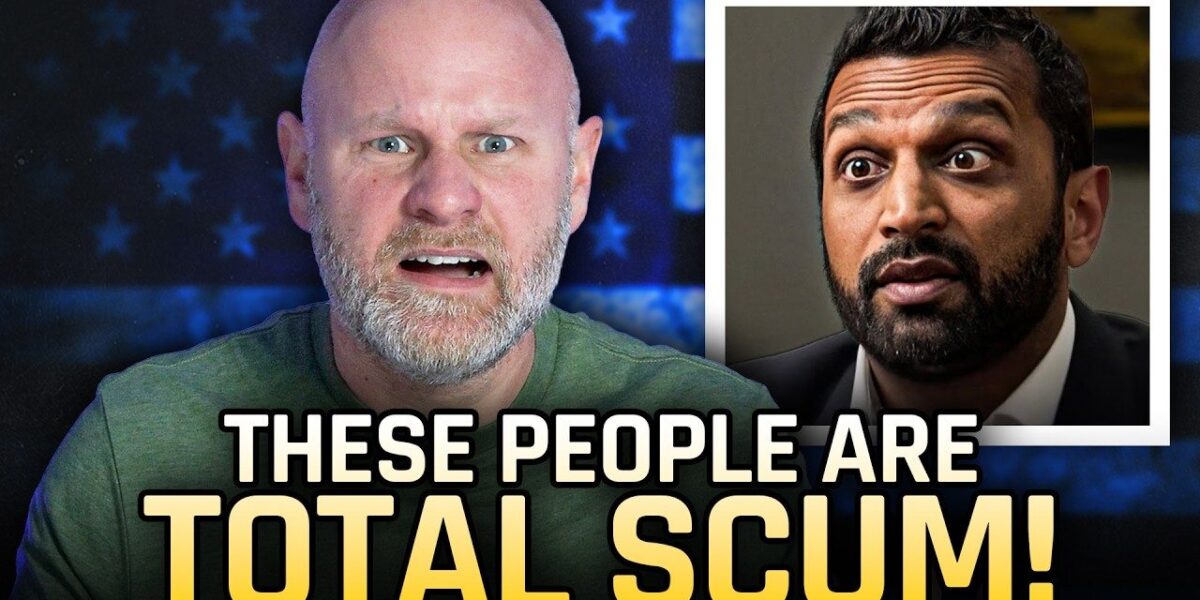
New Revelations Emerge from Epstein Files Regarding FBI Actions
In the wake of the State of the Union address, former President Donald Trump faces renewed scrutiny as damning information surfaces from the extensive Jeffrey Epstein files. Newly revealed emails suggest that during Trump’s presidency, the Federal Bureau of Investigation (FBI) issued a directive to the New York City Police Department (NYPD) to cease their investigation into Epstein shortly after his 2019 arrest. This development, uncovered within millions of pages of documents, raises serious questions about potential cover-ups and the extent of interference in ongoing criminal probes.
NYPD “Stand Down” Order Issued by Trump’s FBI
According to emails unearthed from the vast trove of Epstein-related documents, the NYPD was reportedly instructed by the Trump administration’s FBI to implement a “stand down order” in 2019. This order effectively halted the NYPD’s independent investigation into Epstein.
While the FBI could not prevent the prosecution itself, as Epstein had already been arrested, the directive aimed to impede further investigative actions, such as interviewing witnesses and gathering additional evidence. This alleged intervention by the FBI, nearly seven years after initial investigations into Epstein’s activities began, is now a focal point of the ongoing analysis of the released files.
“Emails buried deep in those three and a half million pages of Epstein files revealed that the NYPD was given a quote standown order by Donald Trump’s FBI in 2019 to stop their investigation into Epstein.”
Confidentiality Agreement on Epstein’s “Murder” Surfaces
Further complicating the narrative, the leaked documents also contain correspondence indicating that a U.S. Attorney’s office was seeking a confidentiality agreement related to the investigation into Jeffrey Epstein’s death. One redacted email, reportedly from a U.S. Attorney in New York during the Trump presidency, references an investigation into the “murder of Jeffrey Epstein.” This phrasing directly contradicts the official account of Epstein’s death as a suicide. The sender was seeking to replicate a confidentiality agreement previously signed by the Office of the Chief Medical Examiner in connection with the investigation into Epstein’s death.
The sender expressed a desire to extend a similar agreement and inquired about sharing the existing document or a boilerplate version. The mention of a “murder” investigation, especially within a context that suggests a desire for confidentiality, has fueled speculation and intensified calls for transparency. Critics argue that if the administration was investigating Epstein’s death as a murder, this information should have been made public, particularly given the circumstances surrounding his demise.
Calls for Unredaction and Accountability
The analysis of the Epstein files has led to strong demands for greater transparency and accountability. Commentators are urging officials, specifically mentioning former Florida Attorney General Pam Bondi, to unredact the names within these sensitive emails.
The argument is that the individuals whose names are redacted are not victims or individuals whose lives would be irreparably harmed by association with Epstein. Instead, their redaction is seen as an attempt to shield them from public scrutiny and potential congressional inquiry.
There is a pressing need to identify these individuals so that Congress can understand their roles and potentially compel them to testify. There are calls to question Trump administration FBI officials directly about the issuance of the “stand down” order. The purpose behind halting the NYPD’s investigation and the potential motivations for such an action are central to the ongoing controversy.
Epstein Files Generate More Questions Than Answers
The release of the Jeffrey Epstein files, intended to provide clarity and answers regarding the disgraced financier’s network and activities, has paradoxically generated a cascade of new questions and controversies. The revelations about the FBI’s alleged directive to the NYPD and the suspicious language used in correspondence regarding Epstein’s death have cast a shadow over the integrity of the investigation and the actions of those involved during the Trump administration.
As journalists and investigators continue to sift through the millions of pages of documents, the full scope of the alleged cover-up and the identities of key players remain subjects of intense speculation. The implications of these findings extend beyond the immediate case, touching upon issues of governmental transparency, the independence of law enforcement investigations, and the potential for political interference in matters of justice.
What’s Next in the Epstein File Revelations
The coming weeks and months are likely to see further deep dives into the Epstein files, with a particular focus on the redacted names and the motivations behind the FBI’s alleged “stand down” order. Congressional committees may seek to subpoena individuals mentioned in the documents and compel testimony from former Trump administration officials. The public and legal community will be watching closely to see if further revelations will bring more clarity or deepen the existing controversies surrounding Jeffrey Epstein and those connected to him.
Source: Trump’s FBI Ordered Cops To STOP Investigating Epstein (YouTube)

Related Articles
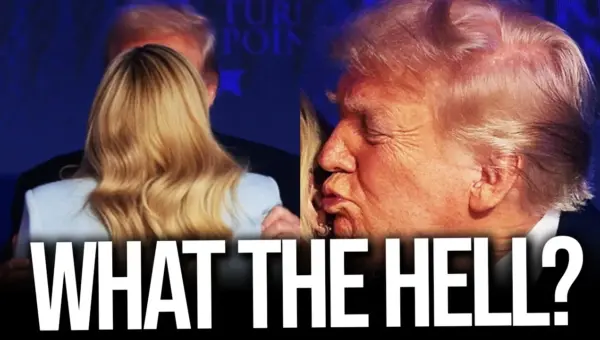
Erica Kirk’s Odd Behavior Raises Eyebrows at TPUSA Events
Unusual photos and behaviors at recent Turning Point USA events involving Erica Kirk and Donald Trump have sparked public discussion. Kirk's interactions and introductions, along with Trump's exaggerated claims, are being analyzed for their impact on the organization's image and political messaging.

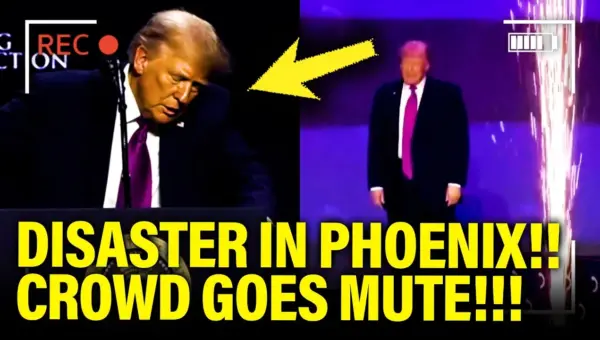
Trump’s Phoenix Speech: A Web of Falsehoods and Distortions
Donald Trump's recent speech in Phoenix was filled with unsubstantiated claims about Iran, healthcare, and climate change. His assertions sharply contrasted with official statements and verifiable facts, raising concerns about political discourse. The speech highlighted a pattern of narrative control over factual reporting, posing challenges for informed public debate.


Oil Prices Drop 11% As Trump’s Iran Strategy Succeeds
Oil prices plummeted 11% to $82 a barrel, defying predictions of a surge to $200. This market shift followed President Trump's successful strategy to reopen the Strait of Hormuz. Major stock indices like the S&P 500 and Nasdaq also reached record highs amid the positive developments.