Trump’s Shifting Iran Stance: From Dealmaker to War Talk
President Trump's rhetoric on Iran has undergone a significant shift, contrasting his past calls for diplomacy with recent threats of military action. This shift follows a period of escalating tensions, withdrawal from the Iran nuclear deal, and renewed indirect negotiations.

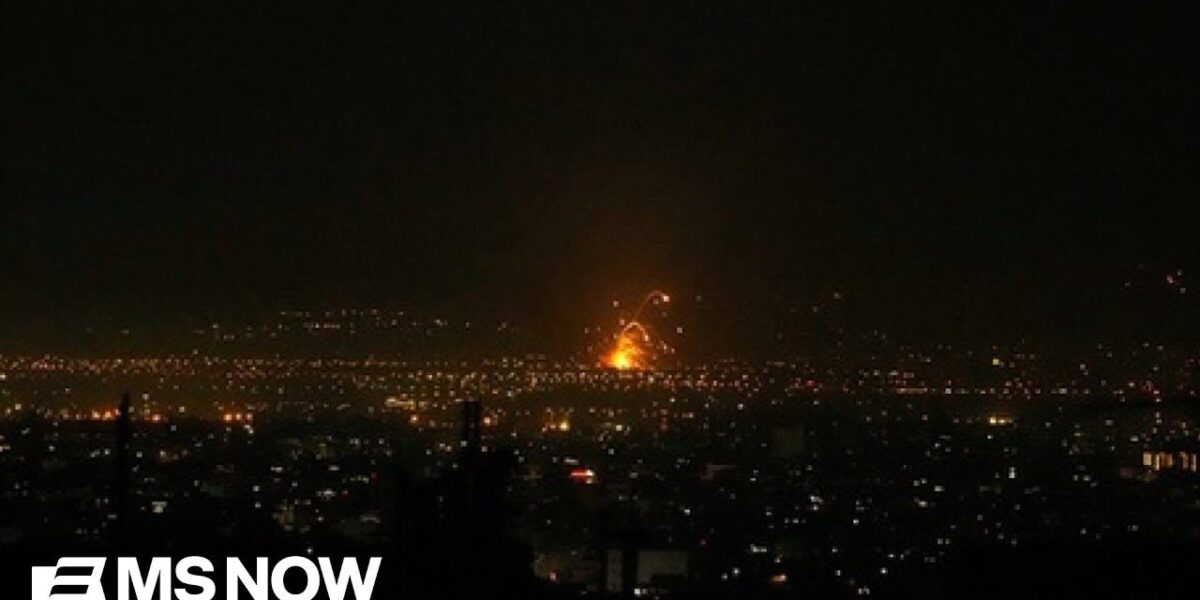
In a significant shift from his previous administration’s policy, President Donald Trump has recently escalated rhetoric and actions concerning Iran, culminating in what he described as a “war.” This development marks a stark contrast to his earlier pronouncements and the diplomatic efforts undertaken during his presidency, raising questions about the trajectory of U.S.-Iran relations.
A Decade of Shifting Rhetoric
The current tensions echo a long-standing pattern in Trump’s public statements regarding Iran. As far back as November 16, 2011, when he was primarily known as the host of “The Apprentice” and was beginning to engage in political commentary, Trump posted a video online. In it, he asserted that a U.S. president would initiate a conflict with Iran due to an “inability to negotiate,” characterizing such a move as politically motivated for re-election. He repeatedly voiced similar sentiments in the ensuing years, both on social media and during television appearances, predicting a high likelihood of war with Iran under President Obama, which he viewed as politically advantageous despite not being beneficial for the country.
From JCPOA to Sanctions: A Diplomatic U-Turn
President Obama’s administration, in contrast to Trump’s predictions, pursued a diplomatic route. After years of intense negotiations, the Joint Comprehensive Plan of Action (JCPOA), commonly known as the Iran nuclear deal, was signed on July 14, 2015. This accord aimed to prevent Iran from developing nuclear weapons by limiting its uranium enrichment capabilities and stockpiles. However, less than three years later, on May 8, 2018, President Trump announced the U.S. withdrawal from the JCPOA and reimposed stringent economic sanctions on Iran. Despite assurances from the United Nations and Trump’s own administration that the deal was being adhered to at the time of withdrawal, Iran subsequently resumed its uranium enrichment activities. By 2023, United Nations inspectors observed Iran moving closer to the threshold required for weapons-grade uranium.
The ‘Axis of Resistance’ and Regional Impact
Following the U.S. withdrawal from the JCPOA, Iran also expanded its support for its so-called “Axis of Resistance.” This network comprises loosely affiliated armed groups across the region, trained, funded, and supplied by Iran. While their ideologies may not always align, they are united by a common opposition to Israel and the United States. The recent conflict in Gaza and subsequent Israeli attacks, coordinated with U.S. support, have significantly weakened these groups, thereby curtailing Iran’s regional influence and power. Coinciding with these regional developments, a 12-day Israeli bombing campaign in June targeted several Iranian nuclear facilities. Trump claimed at the time that Iran’s nuclear program had been “obliterated.” However, most international observers, including the U.N., Iran, Israel, and even U.S. officials, reported significant damage but not a complete destruction of the program. Crucially, Iran reportedly maintained its stockpiles of enriched nuclear materials.
Economic Pressure and Renewed Negotiations
In the aftermath of the strikes, Iranian officials indicated a halt in uranium enrichment and signaled a willingness to negotiate a new nuclear deal with Western nations. A primary driver for this shift appears to be the severe economic hardship imposed by U.S. sanctions. These sanctions have caused substantial suffering within Iran, leading to widespread protests in late December that were met with a violent crackdown by Iranian authorities. Trump amplified the pressure, repeatedly threatening military action and declaring the U.S. was “locked and loaded.” He also offered support to the protesters, stating, “We’ve got your back.” Concurrently, the U.S. amassed a significant military presence in the region.
Indirect Talks and Unclear Roles
Amidst the heightened tensions, the U.S. and Iran engaged in a new round of indirect talks, facilitated by the Omani foreign minister. These meetings, held in Geneva, involved representatives from both sides communicating in separate rooms within the same hotel. The U.S. delegation included Jared Kushner, Trump’s son-in-law, whose specific role in these diplomatic efforts remains undisclosed, and Steve Witkoff, a former real estate investor and a personal acquaintance of Trump, now serving as the special presidential envoy for peace missions. Iran stated that the talks focused exclusively on its nuclear program. The Trump administration, however, maintained that any potential new deal would need to address not only Iran’s nuclear activities but also its ballistic missile program.
Escalation and Future Uncertainty
Trump had previously threatened military strikes if his demands for a new deal were not met. The recent actions suggest a potential follow-through on these threats. The situation remains fluid, with the long-term implications of these escalating tensions and the potential for renewed conflict or diplomatic breakthroughs uncertain. The coming weeks will be critical in determining the path forward for U.S.-Iran relations and regional stability.
Source: Trump’s changing rhetoric on Iran over the years (YouTube)

Related Articles
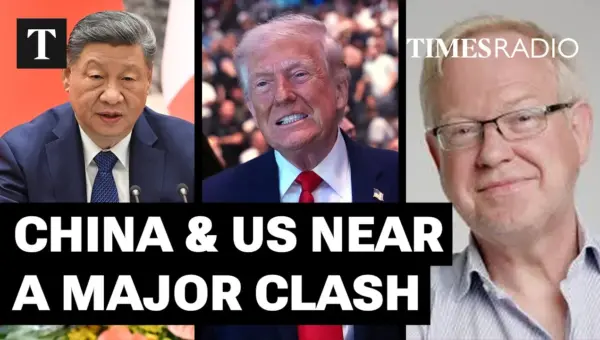
China-US Tensions Flare: Blockade Risk Sparks Superpower War Fears
The U.S. blockade in the Strait of Hormuz has intensified tensions with China, raising fears of a potential superpower conflict. Expert Roger Boyes highlights China's use of a "shadow fleet" and military support for Iran, while President Trump attempts a delicate diplomatic approach ahead of a key meeting with President Xi Jinping.
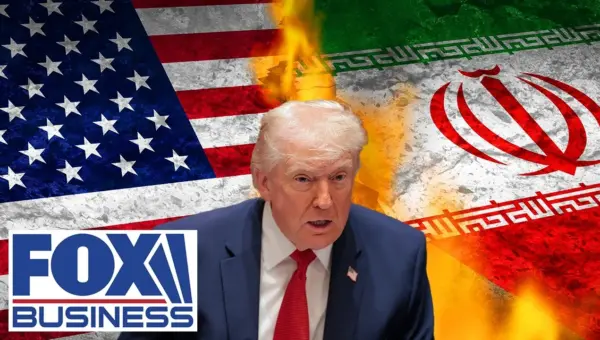
Trump Sees Iran Conflict Near End, Analysts Urge Caution
President Trump believes the conflict in Iran is "very close to over," but former advisor Keith Kellogg urges a cautious approach. The potential de-escalation could impact global markets, particularly oil prices. Investors should monitor the specifics of any resolution and its long-term implications for regional stability.
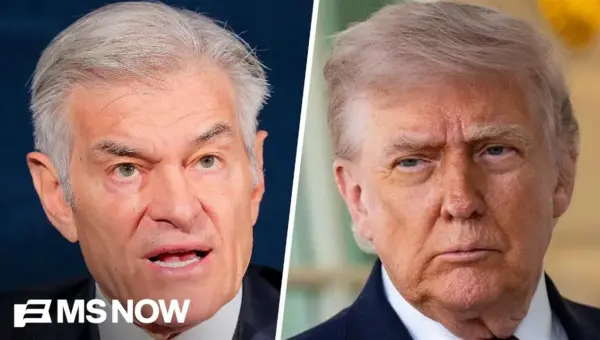
Doctor Rips Oz, Trump for ‘Lack of Seriousness’ on Health
A doctor has sharply criticized Donald Trump and Dr. Mehmet Oz for spreading health misinformation, calling their approach a "lack of seriousness." The doctor highlighted false claims about diet soda and cancer, and the dangers of appointing unqualified individuals to health agencies. He stressed the critical need for science-based leadership to ensure public well-being.