Iran Regime Change: Is It Further Off Than Expected?
Former diplomat Charlie Gammell suggests that the prospect of regime change in Iran may be further off than anticipated by the US and Israel. Despite strategic strikes and pressure, the Islamic Republic appears resilient and unified, with internal factors and the Iranian psyche playing a significant role in its endurance.

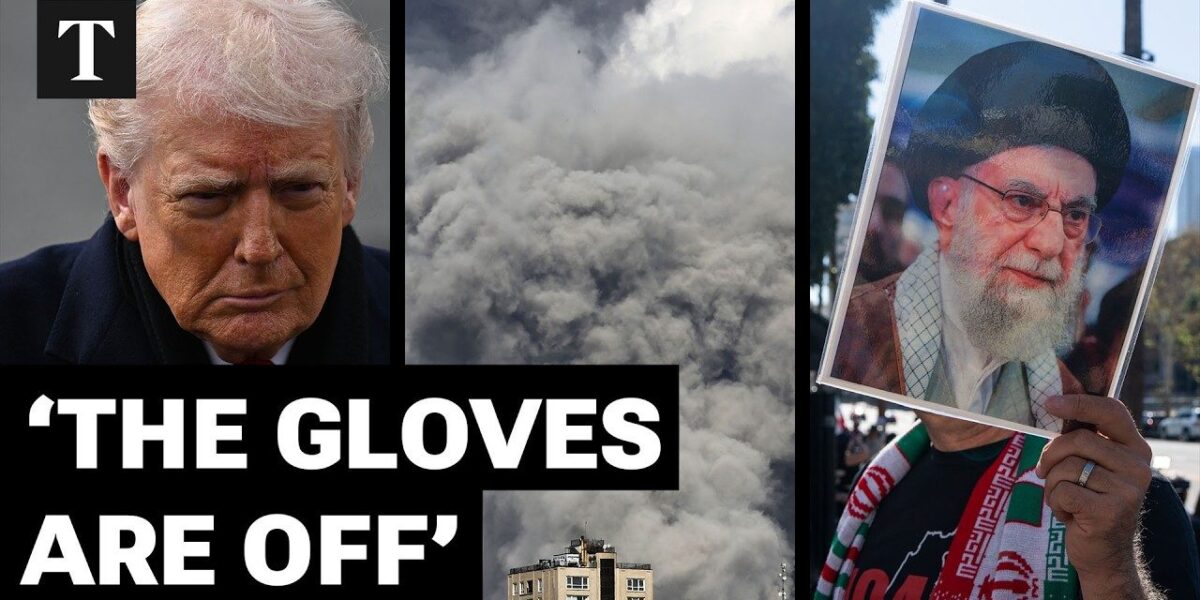
Iran’s Resilience: Regime Change Hopes May Be Overstated
In the wake of heightened regional tensions and targeted strikes, the prospect of regime change in Iran, a goal seemingly pursued by Washington, may be more distant than anticipated. Despite significant pressure and a series of strategic bombings, the Islamic Republic appears more unified and resilient than external actors might believe, according to former diplomat Charlie Gammell.
Foreign Office Response to Regional Instability
The escalating situation in the Gulf has led to significant disruption for British nationals. Thousands have found themselves stranded in the United Arab Emirates, particularly in Dubai, due to flight cancellations. The Foreign Office’s response, as described by Gammell, involves a rapid triage of information, assessment of threats, and liaison with local security services to ensure the protection of citizens abroad. The focus is on understanding the evolving dynamics and potential escalation, with an emphasis on advising individuals to shelter in place rather than attempting repatriation flights amidst uncertain air travel conditions.
“From everything that we’ve seen about Iran’s response, they they don’t plan on stopping these these attacks using their Shahid drones at at shipping and or not shipping at sort of transport infrastructure in the Gulf because they know that this is going to hurt America and Britain’s allies.”
Gammell highlights that Iran’s objective in targeting transport infrastructure in the Gulf is to compel Gulf states to pressure the United States into halting airstrikes within Iran. However, he posits that this strategy is likely to backfire, fostering greater unity among Gulf powers against Iran.
The Unlikely Path to Regime Change
The notion of regime change in Iran has been a recurring theme, with figures like the former Shah’s son, Reza Pahlavi, reportedly positioned as a potential successor. However, Gammell expresses skepticism regarding the feasibility of such a transition, particularly in the short term. He characterizes the Islamic Republic as a brutal but firmly entrenched regime.
Internal Dynamics and External Pressure
While acknowledging the potential for aerial strikes to have a significant operational impact, Gammell questions whether such actions will fracture or consolidate the regime. His analysis suggests that Iran’s recent responses, particularly following the October 7th crisis and the subsequent conflict between Israel and Hamas, indicate a shift. Unlike previous calibrated responses aimed at avoiding further conflict, the current approach signals a willingness to engage more aggressively, implying a lack of inclination to splinter or tolerate internal dissent.
This leads Gammell to caution against calls for Iranians to take to the streets, suggesting it could expose them to dangerous repercussions. He notes that while Reza Pahlavi commands some support, it is largely due to his opposition to the current regime rather than widespread endorsement of his platform. Concerns have also been raised about his team’s past comments on separatist groups within Iran, potentially hindering his ability to unite the populace.
The Need for Material Support
Gammell emphasizes that a genuine revolution or significant internal upheaval would require substantial material support, including arms and logistics, which he deems unlikely to materialize without a ground invasion—a scenario he considers improbable in the current climate. While the Islamic Republic may be weakened and battered, its capacity to relinquish control easily in the short term appears limited.
Iranian Psyche and Strategic Endurance
The question of how long Iran can withstand sustained bombing from the US and Israel is complex. Gammell points to aspects of the Persian and Shia psyche where survival is viewed as a victory and martyrdom as vindication. This perspective suggests that as long as the Islamic Republic survives and avoids a large-scale ground invasion, it can endure significant external pressure, at least for a considerable period.
“The goal of the Iranians here is to try and get these Gulf states to put pressure on America to stop the bombing um in Iran. But it looks like that’ll have the opposite effect and it will unite Gulf powers against Iran.”
Furthermore, Gammell observes a degree of unity within the Islamic Revolutionary Guard Corps (IRGC), which presents a formidable challenge to toppling the regime. He expresses concern that political strategies, such as those potentially employed by Donald Trump, might use conflict as a political tool to force concessions and install a more amenable leadership, which he views as a betrayal of the Iranian people seeking genuine change.
The Limits of Strategic Bombing
The effectiveness of continued strategic bombing, even with accurate intelligence, is debated. While precision strikes can target leadership and infrastructure, Gammell questions whether this approach will create a tipping point for internal uprising. He notes that human intelligence can degrade over time, potentially limiting the scope and sustainability of such operations.
Moreover, the prevailing atmosphere of aerial bombardment across the country may deter citizens from taking to the streets. Gammell concludes that while continued strikes will undoubtedly pressure the Islamic Republic, the moment of submission, and the conditions necessary for a successful internal revolt, might be further off than Israel and the United States currently believe, given Iran’s demonstrated resilience and response patterns.
Looking Ahead
The coming months will be critical in observing whether Iran’s resilience can withstand sustained external pressure or if internal dynamics, potentially catalyzed by continued strikes or shifting geopolitical alliances, will lead to a change in its leadership. The effectiveness of international strategies, the internal response of the Iranian populace, and the broader regional implications will all be key factors to monitor.
Source: Iran Regime Change May Be Further Off Than Washington Thinks | Charlie Gammell (YouTube)

Related Articles
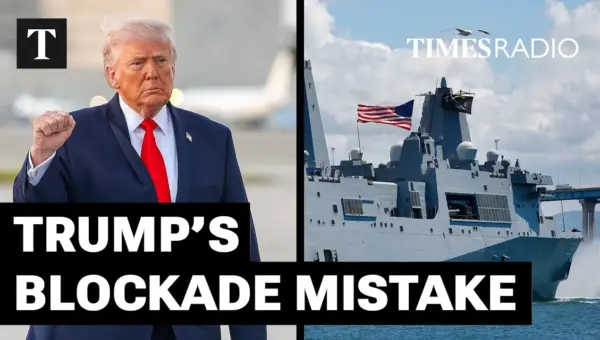
Iran Blockade Sparks War Concerns, Backfires on US, Expert Warns
The U.S. blockade on Iranian ports, aimed at crippling its economy, is sparking concerns of an "act of war" and may backfire, according to former diplomat Barbara Leaf. While the U.S. and Iran prepare for potential peace talks, hardline rhetoric and the blockade's global economic impact complicate diplomatic efforts. A key concern is a potential confrontation with China if U.S. forces intercept Chinese vessels.
US Markets Surge as Iran Tensions Ease, Oil Prices Steady
U.S. stock markets are hitting new highs as tensions with Iran ease, with the S&P 500 reaching record levels. Despite persistent oil prices around $92 a barrel, the U.S. economy shows resilience, boosted by record oil exports. The focus is shifting to the economic confrontation with Iran, including the non-renewal of oil sales waivers, and long-term strategies to bypass the Strait of Hormuz.

Trump’s Blockade Fails, Allies Shun Mission: A Pattern?
A reported failure of Donald Trump's blockade of the Strait of Hormuz, with ships passing through unimpeded, raises questions about policy effectiveness. This incident, coupled with allies' reluctance to join the mission, suggests a pattern of unintended consequences and strained international relations.