Democrats Demand Clarity on Iran Strategy Amid Strike Concerns
Top Democrats are demanding clarity on President Trump's strategy in Iran, calling for an immediate War Powers vote amid concerns over escalating military actions. Lawmakers cite a lack of clear objectives, potential constitutional overreach, and insufficient diplomatic engagement as key reasons for their pushback.

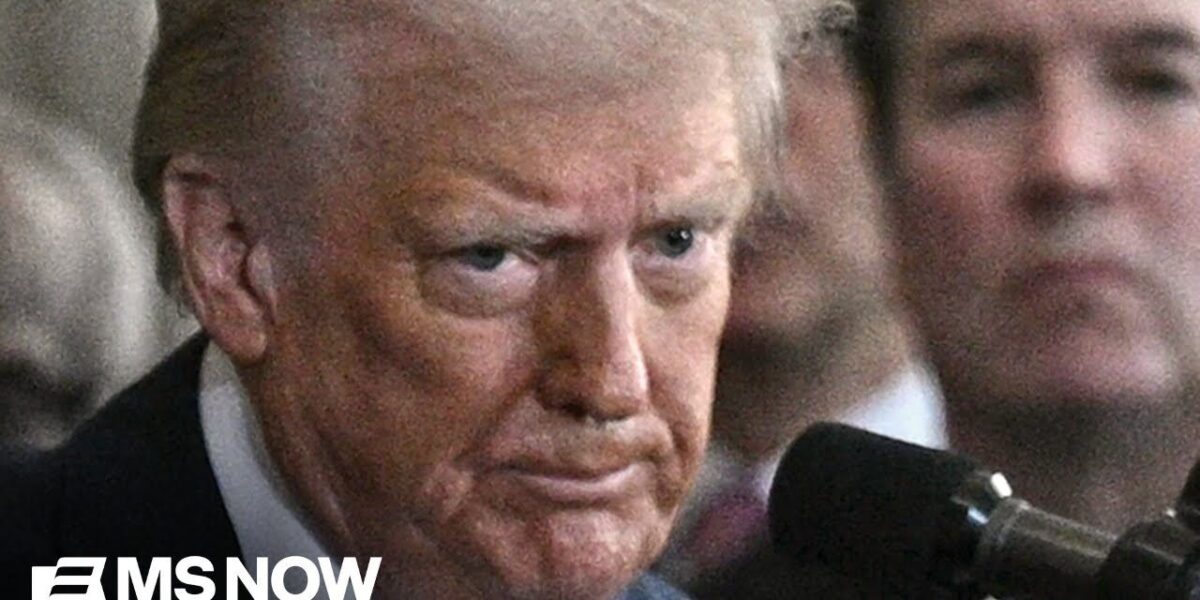
Amid ongoing military actions between the United States and Iran, a significant push is underway in Congress to assert legislative authority over President Trump’s foreign policy decisions. Top Democrats are calling for an immediate War Powers vote, arguing that the administration’s current operations lack clear objectives and congressional oversight, raising constitutional concerns.
Congressional Pushback on Military Action
The Trump administration’s military engagements have sparked a strong reaction from lawmakers, particularly within the Democratic party. The core of their concern centers on the perceived absence of a coherent plan and the potential for an unchecked escalation of conflict. Congressman Gregory Meeks, the top Democrat on the House Foreign Affairs Committee, articulated these anxieties, stating, “What is the plan after? You know, we’ve had this, you know, seen this before. We had the shock and awe in Iraq. So what happens thereafter? We have not heard from the administration in that regards at all.”
Lawmakers are seeking specific answers regarding the duration of military involvement, the strategic objectives, and the diplomatic groundwork being laid. The ambiguity surrounding the administration’s long-term strategy is a primary driver for the push for a War Powers Resolution. “How long is it going to take, you know, with specificity? We hear the president saying, you know, it could be a week. It could be a month. Therefore, it could be a year. What are the plans in that regards?” Congressman Meeks questioned.
Concerns Over Civilian Impact and Regional Stability
Beyond strategic planning, Democratic leaders are also raising alarms about the potential humanitarian consequences and the broader implications for regional stability. The possibility of civilian casualties and the risk of exacerbating internal conflict within Iran are significant points of contention. “Who do we have and who’s talking to anyone on the ground? What are we relying upon? Why do we know the innocent lives of Iranians who, when you just see indiscriminately bombing in the Meadow of Terrain, what happens to those innocent individuals there? And whether or not it creates an atmosphere of civil war on the ground in Iran, and then what does that mean for the entire region?” Congressman Meeks elaborated.
The prospect of deploying U.S. troops on the ground and the challenges of containing such a conflict are further questions that remain unanswered, according to the congressman.
Divisions Within Congress
While the push for a War Powers vote has garnered support from some Republicans, including figures like Congressman Thomas Massey and Senator Rand Paul, the effort faces significant hurdles. Internal divisions within the Democratic party itself are complicating leadership’s strategy. Several Democrats, including Senator John Fetterman and three House Democrats, who are described as staunch supporters of Israel, have indicated potential opposition to the measure. This internal dissent underscores the complex geopolitical landscape and the varying perspectives on U.S. foreign policy in the Middle East.
Lack of Diplomatic Engagement and Congressional Briefings
A key criticism leveled against the Trump administration is the perceived sidelining of traditional diplomatic channels and the lack of robust engagement with Congress. Congressman Meeks drew a stark contrast between the current situation and the lead-up to the Iraq War in 2003, noting the absence of thorough congressional hearings and public explanations. “I was in Congress in 23━2003, and I’m reliving that situation, whereas even though we had access, which we don’t have now, Colin Powell came before the Foreign Affairs Committee to testify. I had access to the Pentagon, the United States went to the U.N., that is not happening this time. Explained it to the American people. That’s exactly right. That is not happening this time,” he stated.
The administration’s plans for briefing congressional staff and members are seen as a step, but the timing and depth of these briefings remain a point of concern. While some committee staff were slated for briefings, broader member briefings were expected later in the week. The inclusion of additional committee leaders, forming a potential “gang of 12” beyond the traditional “gang of eight,” suggests an effort to broaden consultation, but the fundamental questions about the administration’s strategy persist.
Questions Surrounding Diplomacy and Negotiations
The effectiveness and sincerity of diplomatic efforts preceding recent strikes have also come under scrutiny. Reports of a serious Iranian proposal being put forth shortly before military actions were launched have led to questions about whether negotiations were genuine. Congressman Meeks expressed skepticism about the administration’s commitment to diplomacy, particularly given the perceived diminished role of the State Department and the involvement of individuals like Jared Kushner and Stephen Witkoff in sensitive negotiations.
“It seems to me that’s not serious negotiation, and that’s not serious diplomacy. And I don’t think that this president is ever interested in diplomacy. And that’s why when When he stepped in, he destroyed the State Department and all of the expertise that we had therein, and replaced it with individuals who were just loyal to him and put people like Kushner and like Wyckoff in charge, who have never done anything, have no training in this area at all, have no relationships with individuals in that regard at all.”
This perspective suggests a belief that the administration’s approach prioritizes loyalty over expertise and undermines established diplomatic institutions, raising doubts about the potential for peaceful resolution.
The War Powers Resolution: A Vote of Choice, Not Necessity
The upcoming War Powers vote is framed by its proponents not as an authorization for military force, but as a crucial statement of congressional intent and a potential check on prolonged military engagement. Congressman Meeks highlighted that the resolution, if passed, would not authorize the use of funds for extended military action. He explained, “And then 60 days, if this goes on longer than 60 days, then there’s another opportunity, because this vote that’s coming up on Wednesday is not for the authorization of utilizing military force… The president has to then come to Congress to ask for that money, and then there’s another opportunity therein to say that we’re not going to give it to you because we don’t see the need to have this war of choice continuing to move on.”
The distinction between a “war of choice” and a “war of necessity” is central to the Democratic argument, drawing parallels to the 2003 invasion of Iraq and the ongoing conflict in Ukraine. This framing emphasizes that the current military actions are not perceived as an immediate response to an existential threat, but rather as a deliberate policy choice by the administration.
Looking Ahead
As Congress prepares for the vote on the War Powers Resolution, the focus remains on whether legislative action can effectively curb the administration’s military actions and compel greater transparency. The outcome of this vote, alongside the administration’s response to congressional inquiries and the ongoing developments in the U.S.-Iran relationship, will be critical in shaping the future trajectory of American foreign policy and its implications for regional and global stability.
Source: ‘What is the plan? We have not heard at all’: Top Democrat on next U.S. steps in Iran (YouTube)

Related Articles
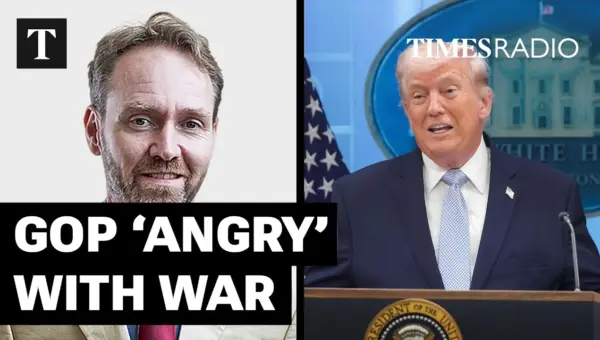
GOP Senators Show Weariness With Trump’s Iran Stance
Republican lawmakers are showing signs of frustration with President Trump's prolonged engagement in Iran. Diplomatic talks continue, with a potential ceasefire extension being considered, while the U.S. bolsters its military presence. Meanwhile, domestic economic pressures and battles with the Federal Reserve chair add to the political complexities.

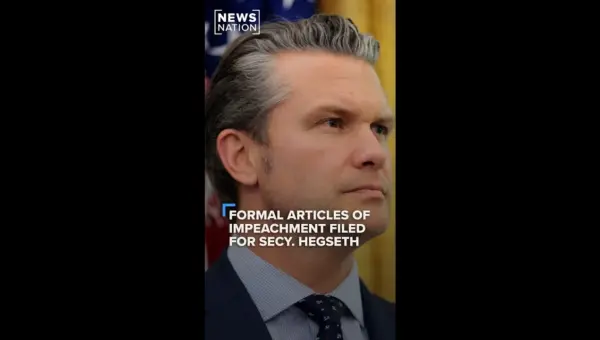
Democrat Seeks Defense Chief’s Impeachment Amid War Concerns
A Democratic lawmaker has filed articles of impeachment against Secretary of Defense Pete Hagseth, citing incompetence and dangerous actions. The resolution highlights concerns over classified information leaks, controversial military strikes, and civilian casualties. The lawmaker seeks bipartisan support, arguing for national interest over party loyalty.

GOP’s Dignity Act Sparks Immigration Divide
A new Republican proposal, the Dignity Act, offers legal status to undocumented immigrants, sparking a fierce debate. Supporters see it as a humanitarian step, while opponents label it amnesty. This discussion reveals deep divisions on immigration policy, economic impact, and the very definition of the American dream.