Dem Leader Questions Iran Strike Rationale, Cites ‘War of Choice’
Senator Mark Warner questions the White House's justification for military strikes in Iran, labeling it a 'war of choice' due to a lack of perceived imminent threat. He highlights shifting rationales and calls for presidential transparency regarding goals and potential casualties.


Warner: No Imminent Threat Justified Iran Military Action
Virginia Senator Mark Warner, Vice Chairman of the Senate Intelligence Committee, has voiced significant concerns regarding the White House’s justification for recent military strikes in Iran. Speaking in the wake of the operation, Warner, a member of the bipartisan ‘Gang of Eight’ briefed on the matter, characterized the decision as a ‘war of choice’ rather than a necessary response to an imminent threat.
Shifting Justifications for Strikes
During an interview, Senator Warner highlighted the evolving narrative surrounding the rationale for the strikes. Initially, the administration suggested the operation targeted Iran’s nuclear capabilities, a claim Warner found perplexing given previous assertions that these capabilities had been “obliterated” months prior. The justification then shifted to Iran’s ballistic missile program, capable of striking U.S. bases or Israel. Most recently, the rationale appeared to morph into a push for regime change.
“All this means in my mind is that there was no imminent threat to America. So the president chose to start this war right now, put our troops in… talking about American casualties.”
This shifting narrative, according to Warner, strongly suggests that there was no immediate danger to the United States, leading him to conclude that the strikes were a proactive decision by President Trump.
Consultation Process Under Scrutiny
While acknowledging that the consultation process with the Gang of Eight was an improvement over previous military actions under the Trump administration, Warner expressed reservations about the timing and substance of the briefings. He noted that options were presented, but the core issue remained whether the President had adequately consulted Congress and the American public before initiating military action.
“The Constitution is clear. He has to come to the American public and the Congress and get approval. This is not a king. He cannot do this on his own,” Warner stated, emphasizing the President’s obligation to seek authorization for engaging in hostilities.
Concerns Over American Casualties and Endless War
A significant point of contention for Senator Warner is the acknowledgment of potential American casualties. He cited the President’s own admission of expecting casualties as a critical factor. Warner questioned the ultimate goals of the operation, particularly the potential need for ground troops if the Iranian population revolted against the regime. He expressed fear of stumbling into another protracted conflict in the Middle East.
“What next, you know, as David Ignatius said, does this mean we’re going to have to put American boots on the ground if the Iranian people rise up and the regime starts to brutally murder them? You know, have we now started another endless war in Middle East where we are going to get further drawn in and what is our ultimate goal?” Warner queried.
Israel’s Influence and U.S. Interests
When pressed on who was driving the decision-making process, Warner suggested that Israeli concerns about Iran’s threat were more immediate and existential for that nation. However, he stressed the importance of American foreign policy being driven “first and foremost by American interests,” especially when U.S. troops are put in harm’s way.
He also drew a parallel to the administration’s January response to protests in Iran, suggesting that at that time, military capabilities were stretched, and allies were distracted. Warner alluded to the President’s perceived underestimation of the complexities involved in foreign policy actions, comparing Iran to perceived easier targets like Venezuela and past strikes against Iran.
Trust in Intelligence and Administration’s Objectives
In a direct question regarding trust in the administration’s intelligence, Warner stated he trusts the “integrity of the intelligence community” but expressed deep concern that “pressure on the intelligence community to shade their answers, to meet the President’s political objectives scares the hell out of me.” He cited the case of a Defense Intelligence Agency general who was reportedly fired after accurately portraying the success, but not the obliteration, of a bombing, as evidence of this pressure.
Looking Ahead: The Need for Clarity
Senator Warner concluded by emphasizing the critical need for the President to clearly articulate the rationale, threat, and ultimate goals behind the decision to engage in military action. The uncertainty surrounding these key questions leaves him, and likely many others, without a satisfactory explanation when confronted by families of service members who may be placed in harm’s way. The path forward requires transparency and a clear strategic objective to avoid further escalation and potential quagmires.
Source: ‘There was no imminent threat’ to US: Top Democrat on how White House justified Iran strikes (YouTube)

Related Articles

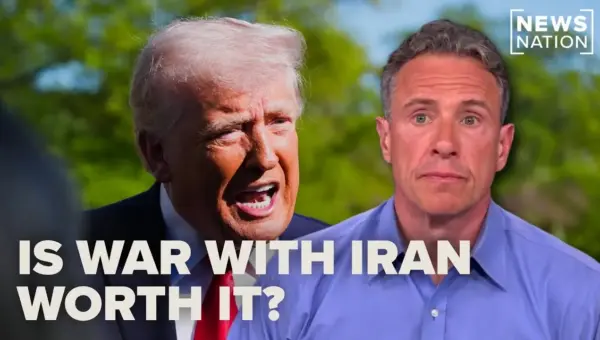
Iran War Costs Mount, Deal Prospects Dim
The war in Iran is costing the U.S. billions daily, impacting inflation and healthcare costs. While military gains are noted, concerns remain about Iran's nuclear ambitions and the lack of a clear diplomatic path. A "grand bargain" is sought, but the economic and human costs at home are rising.
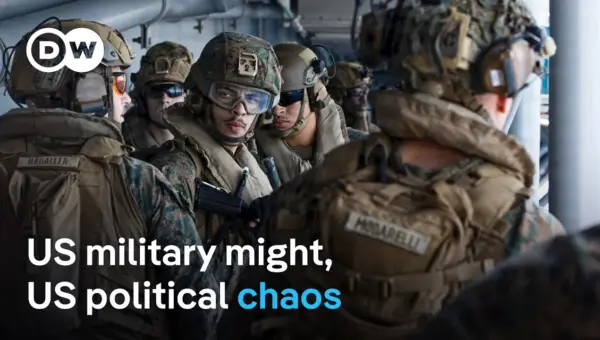
US Military Strength: Tactical Wins, Strategic Gaps?
The U.S. military demonstrates incredible tactical skill, capable of executing complex missions. However, this prowess is often undermined by unclear political goals and shifting strategies set by civilian leadership. Experts argue that holding elected officials accountable for these decisions is crucial, as the military cannot compensate for flawed governance.
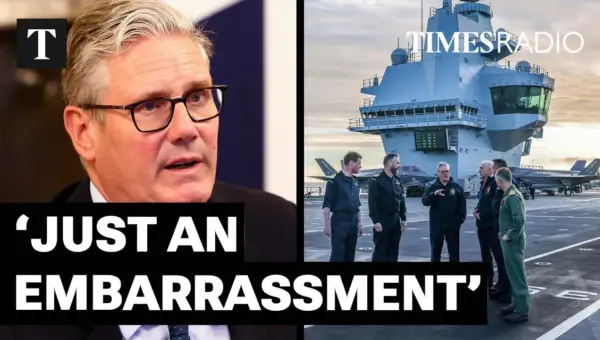
UK Defence Faces ‘Embarrassment’ Amid Funding Gaps
Britain's defense capabilities are facing severe criticism, with experts calling the current state an "embarrassment" due to significant funding gaps and a lack of preparedness for modern warfare. Despite strong rhetoric, the government is urged to make tough decisions on defense spending, which faces a £28 billion shortfall, to address growing global threats. The article explores the disconnect between political statements and actual investment, the evolving nature of warfare, and the challenges of public perception and political will in securing national security.