Vance’s Silence on Iran Strikes Signals GOP Foreign Policy Divide
Vice President JD Vance's uncharacteristic silence following US strikes against Iran has sparked debate about a growing rift within the Republican party over foreign intervention. His past anti-interventionist statements contrast sharply with President Trump's recent actions, highlighting a potential ideological divide within the MAGA movement.

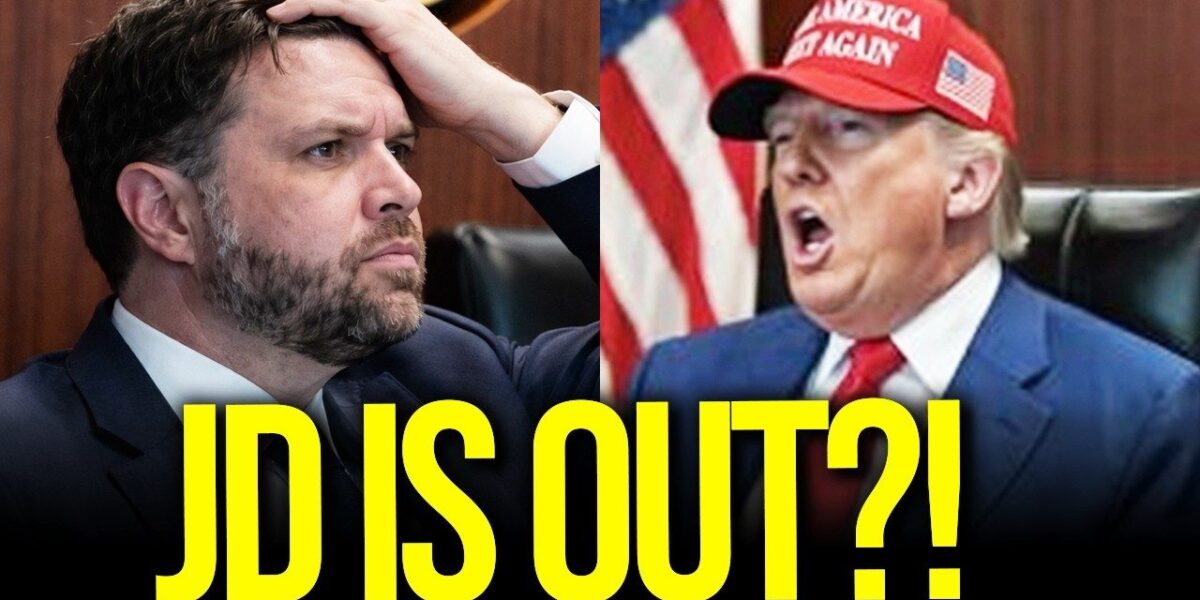
Vance’s Uncharacteristic Silence on Iran Strikes Sparks Speculation
In the wake of recent military strikes against Iran, a conspicuous silence from Vice President JD Vance has fueled speculation about a growing rift within the Republican party, particularly concerning foreign intervention. While typically vocal on social media, Vance has remained uncharacteristically quiet in the 30 hours following the strikes, a stark contrast to his usual public engagement. This silence, coupled with his documented history of skepticism towards foreign interventions, suggests a potential divergence between his stance and that of President Donald Trump.
Vance’s Anti-Interventionist Record Contrasts with Trump’s Actions
Digging into Vance’s past statements reveals a consistent opposition to military intervention, particularly in the Middle East. As recently as 2023, Vance penned an op-ed lamenting the Iraq War, calling it an “unforced disaster” that cost over a trillion dollars and negatively impacted regional stability. He has repeatedly expressed a preference for diplomatic solutions, stating in an interview with The Washington Post that there was “no chance America was about to embroil itself in another long war in the Middle East” and that he was a “skeptic of foreign interventions.” This anti-interventionist stance appears to be at odds with President Trump’s recent decision to authorize strikes against Iran, a move that Vance had reportedly, along with other senior aides, urged against in favor of negotiations, according to The Wall Street Journal.
A Shifting MAGA Movement and Generational Divide
The perceived disconnect between Vance and Trump on this critical foreign policy issue highlights a broader ideological struggle within the MAGA movement. Many younger Republicans, including Vance, initially viewed the movement as a departure from traditional neoconservative foreign policy, often associated with figures like Dick Cheney and George W. Bush. However, President Trump’s recent actions suggest a return to, or at least an alignment with, the interventionist policies of previous Republican administrations. This has led to internal friction, with figures like former Congresswoman Marjorie Taylor Greene publicly criticizing the administration’s economic priorities and the potential for costly foreign entanglements, particularly impacting younger generations burdened by national debt.
The “Kids’ Table” in the Situation Room
Photographic evidence from a White House Situation Room meeting on February 28th, 2026, the day of the strikes, has become a focal point of this discussion. The image shows Vice President Vance seated at what has been derisively termed the “kids’ table” alongside figures like Tulsi Gabbard, a known critic of interventionist foreign policy. Critics have interpreted this seating arrangement as a symbolic marginalization of dissenting voices or those not fully aligned with the President’s more aggressive foreign policy decisions. The visual, juxtaposed with President Trump’s statements about potential American casualties, has amplified the narrative of Vance being sidelined despite his previously stated reservations.
“The crew who didn’t get invited to Palm Beach, they quite literally created a B-room.”
Vance’s Past Statements on Diplomacy and Non-Intervention
Further underscoring the apparent contradiction, clips of Vance’s past interviews have resurfaced. In a segment on Meet the Press, Vance articulated a desire to “end their nuclear program and then we want to talk to the Iranians about a long-term settlement,” emphasizing a preference for diplomacy over prolonged conflict. Similarly, in an interview with Tim Dillon, Vance expressed skepticism about the efficacy and cost of American interventionism, stating, “Our interest, I think, very much is in not going to war with Iran, right? It would be huge distraction of resources. It would be massively expensive to our country.” These past pronouncements stand in stark contrast to the current administration’s actions and Vance’s current public silence.
Broader Implications and the “America First” Debate
The situation raises pertinent questions about the true meaning and application of the “America First” doctrine. Progressive lawmakers, such as Representative Ro Khanna, have leveraged Vance’s earlier anti-interventionist statements to advocate for congressional oversight of military actions. Khanna, a co-sponsor of a war powers resolution, has praised Vance’s past positions and urged him to support measures requiring congressional approval before engaging in further military action. Khanna’s vision of “America First” prioritizes domestic investment in jobs, healthcare, and childcare over costly overseas conflicts, a message that resonates with a segment of the electorate disillusioned with perpetual wars.
Conclusion: A Divided Party and an Uncertain Future
The divergence between President Trump’s actions and Vice President Vance’s uncharacteristic silence on the Iran strikes points to a significant fault line within the Republican party. Vance’s consistent anti-interventionist record, contrasted with the administration’s assertive military posture, suggests a complex internal dynamic. As the situation evolves, attention will remain fixed on whether Vance will publicly reconcile his past statements with current policy, or if this silence signals a deeper, more permanent ideological split within the MAGA movement regarding the nation’s role in global affairs. The coming days will likely reveal whether this is a temporary pause or a more profound shift in Republican foreign policy discourse.
Source: Trump THROWS JD Vance UNDER THE BUS over Argument! (YouTube)

Related Articles

GOP Faces Voter Discontent Over War, Diminished Support
Republican lawmakers are noticing growing voter discontent, particularly among younger demographics, regarding the ongoing war. This sentiment, coupled with economic pressures, could lead to diminished support and turnout in the upcoming midterm elections. The party faces significant challenges in messaging and addressing voter concerns.

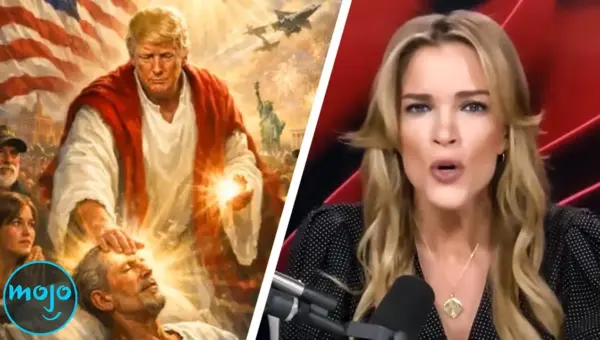
Trump’s Allies Rebel: Conservatives Slam President’s Policies
Prominent conservative figures and lawmakers are openly criticizing President Trump's policies in 2026, signaling a growing divide within the movement. From Candace Owens questioning the Iran conflict to Senator Rand Paul challenging trade policy, a wave of dissent is challenging the president's agenda.
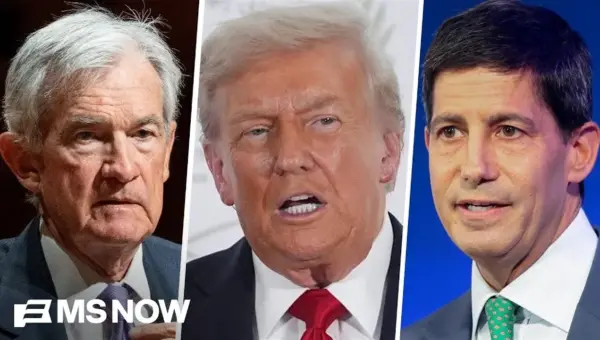
Trump Threatens Fed Chair Powell, Faces Nomination Blockade
President Trump is threatening to fire Fed Chair Jerome Powell over a renovation probe, creating a political stalemate. Senator Tom Tillis is blocking Trump's nominee, Kevin Warsh, until the investigation concludes. Warsh himself faces scrutiny over his vast personal wealth, estimated between $135-226 million, raising conflict of interest concerns.