Trump’s Iran Actions Linked to Election Interference Claims
An analysis suggests Donald Trump's actions regarding Iran are strategically linked to his claims of election interference, aiming to justify a national emergency and assert control over voting processes. Meanwhile, ongoing scrutiny of the Epstein case highlights missing FBI documents related to allegations against Trump, raising concerns about a potential cover-up and calls for greater transparency and accountability.

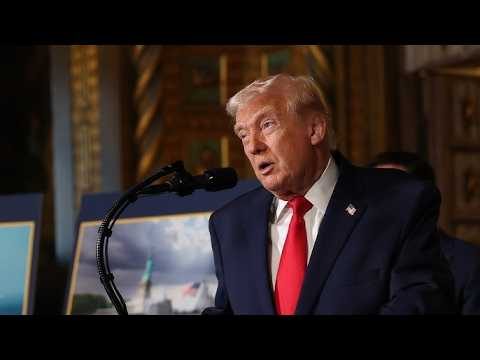
Trump’s Iran Stance Tied to Election Integrity Narrative
In a recent analysis, former President Donald Trump’s actions and rhetoric surrounding a potential conflict with Iran have been closely examined, with a central argument emerging that these moves are intrinsically linked to his ongoing efforts to cast doubt on the security of U.S. elections. The core assertion is that Trump’s engagement with Iran, particularly his public statements, serves as a strategic maneuver to bolster his claims of widespread election interference and to lay the groundwork for asserting extraordinary presidential powers over electoral processes.
A key piece of evidence cited is a social media post by Trump on True Social during ongoing military actions, where he stated, “Iran tried to interfere in 2020 2024 elections to stop Trump and now faces renewed war with the United States.” Analysts argue that Trump’s focus on Iran’s alleged election interference, rather than other foreign actors like Russia, is not indicative of a genuine concern for electoral integrity but rather a calculated attempt to validate his narrative of insecure elections. This narrative, it is suggested, is intended to serve as a pretext for him to seek greater control over election administration.
“Trump is nothing if not self-interested. He’s doing all of this to help himself and his consolidation on his grip on power.”
Executive Orders and National Emergencies
The analysis points to a draft executive order reportedly being circulated by pro-Trump activists, which allegedly cites Chinese interference in the 2020 election as a basis for declaring a national emergency. This emergency declaration, the draft suggests, would unlock significant presidential power over voting. However, the author of the analysis critically notes that such a declaration would not grant the president power over state-controlled elections, emphasizing that election administration remains firmly within the purview of individual states.
Despite this legal distinction, the underlying strategy appears to be Trump’s persistent search for claims of foreign interference to justify declaring a national emergency. This aligns with his repeated threats over several months to “nationalize” elections, a move that would centralize federal control over what are traditionally state-run processes. The argument posits that Trump is employing a long-term strategy to consolidate power, using external events and narratives to achieve domestic political objectives.
SAVE Act and Voter Rolls
Further evidence cited includes Trump’s past statements regarding the need for voter ID and his dismissal of Democratic opposition to such measures as an attempt to facilitate cheating. He has also referred to the SAVE Act, a proposed piece of legislation that not only mandates voter ID but also requires states to transfer their voter rolls to federal authorities. This requirement, never before implemented, raises concerns about potential federal misuse of such data.
The rationale for the federal government, which does not administer elections, to possess comprehensive voter rolls is questioned. It is suggested that such data could be used to identify and potentially suppress or manipulate votes if the federal government were to assume control over election processes. Trump’s promise to present an “irrefutable legal argument” for these measures is interpreted as his intention to leverage claims of national security risks and invoke extraordinary war powers to justify these actions.
Historical Precedents and Future Concerns
The analysis stresses that this is not a theoretical plan but one that Trump has attempted to implement previously. Examples include efforts to seize voting machines in Georgia in 2020 and attempts to pressure election officials to “find” votes. The dispatch of former Director of National Intelligence Tulsi Gabbard to Georgia to collect ballots and the deployment of troops to U.S. cities are also presented as preparatory steps for potential actions to seize ballot machines.
The presence of election-denying individuals within his administration, such as a former Attorney General, further fuels these concerns. The overarching argument is that Trump views Iran as a pawn in his larger strategy to maintain his party’s control over the U.S. government, driven by a desire to consolidate power rather than a genuine commitment to democratic principles abroad or election security at home.
Legal Challenges and Public Awareness
Despite the perceived seriousness of these potential maneuvers, a potential silver lining is identified: the transparency of Trump’s alleged scheme. Legal experts, including Mark Elias, reportedly believe that any attempt by Trump to assert unauthorized authority over elections would face immediate legal challenges, likely resulting in court defeats. However, the crucial role of public awareness is highlighted. The more the public understands the underlying motivations behind Trump’s actions, the less effective his pretexts will be when he attempts to execute his plans.
Epstein Files and Missing Documents
The discussion then shifts to the ongoing controversy surrounding the Jeffrey Epstein case, specifically focusing on allegations involving Donald Trump. It has been reported that a woman who accused Trump of sexual abuse when she was a minor was interviewed four times by the FBI. However, only one of these interview transcripts has been publicly released, with three others reportedly missing.
This situation has raised significant concerns about a potential cover-up, with questions arising about the content of the missing interviews and the reasons for their non-disclosure. Legal avenues, including public pressure and potential lawsuits, are being explored to compel the release of these documents. The possibility of tampering or redaction of the missing files is also a point of concern.
Legislative Efforts and Special Masters
Calls for legislative action, such as an “Epstein Transparency Act 2.0,” are being made to force the release of survivor statements to the FBI. The analysis notes that a significant number of survivor statements are reportedly missing, which could contain crucial information about individuals involved in Epstein’s activities.
The idea of appointing a special master to oversee the release and review of all Epstein-related documents is proposed as a more comprehensive solution than piecemeal legal efforts. Such an appointment could ensure a more transparent and trustworthy process, potentially mitigating the need for numerous individual court cases and restoring public confidence.
Hillary Clinton’s Deposition and Precedents
The deposition of Hillary Clinton in relation to the Epstein case is also discussed, with criticism leveled against the perceived political spectacle surrounding it, including alleged leaks of information. Some argue that Clinton had minimal direct involvement and that her deposition was politically motivated, while others contend that it sets a precedent for holding public figures accountable.
This precedent, it is suggested, could eventually extend to former presidents, including Donald Trump, who may be compelled to answer questions regarding their potential connections to Epstein. The actions of individuals like Howard Lutnick and Kevin Worsh, who have ties to both Trump and Epstein, are also highlighted as areas requiring further scrutiny and potential investigation.
Accountability and Republican Hesitancy
A significant point of discussion revolves around the perceived hesitancy of Republican lawmakers to pursue investigations into individuals connected to Trump and Epstein, despite calls for accountability. Some argue that this reluctance stems from a desire to avoid alienating Trump and his base, creating a situation where proximity to Trump might offer a form of protection.
However, it is also noted that some Republicans, like Congresswoman Nancy Mace, have expressed support for further investigations. The argument is made that public pressure and legal actions are essential to drive accountability, especially when legislative bodies appear hesitant to act decisively.
Looking Ahead
The ongoing pursuit of accountability in the Epstein case, coupled with concerns about Trump’s strategies regarding election integrity, suggests a period of heightened political and legal scrutiny. The effectiveness of public awareness campaigns and the potential for legal challenges will be critical in shaping the outcomes of these complex issues. Future developments will likely involve continued efforts to unseal documents, potential legislative actions, and ongoing legal battles that could have significant implications for both past and future political figures.
Source: BOMBSHELL: Trump’s dangerous scheme with Iran gets EXPOSED (YouTube)

Related Articles
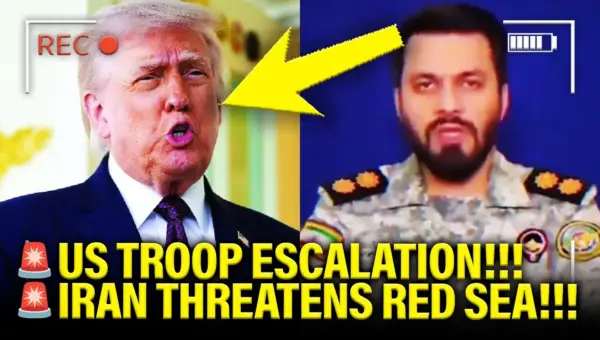
Trump’s Middle East Gambit: Escalation or Empty Threat?
The US is sending troops and imposing a blockade in the Middle East, signaling escalation. Yet, conflicting messages from Donald Trump suggest peace is near. This analysis explores the contradictory actions, Iran's defiant response, and the potential global economic and political fallout.

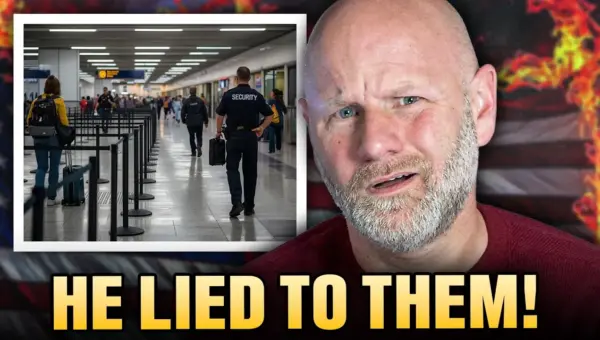
Trump’s Memo: A Political Play, Not a Paycheck Promise
A presidential memo intended to pay TSA workers during a shutdown was more political theater than a legal solution. Lacking the constitutional "power of the purse," the memo offered false hope, highlighting the separation of powers and the limits of executive authority.

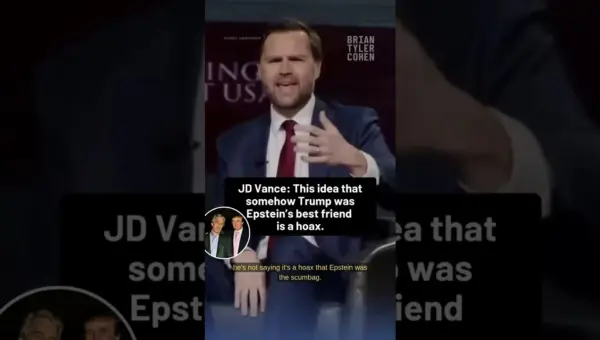
Vance Defends Trump: Epstein Friendship Claim Is A Hoax
Senator JD Vance asserts that claims of Donald Trump being close friends with Jeffrey Epstein are a "hoax." Vance cited emails suggesting a mutual dislike and even Trump reporting Epstein to authorities, arguing this refutes the "best friend" narrative pushed by Democrats.