Russia’s Recruitment Crisis: Students, Drafts, and Evasive Tactics
Russia is facing a severe military recruitment crisis, resorting to unconventional tactics like enlisting students and normalizing year-round conscription due to a dwindling volunteer pool. These measures signal increasing pressure to sustain the conflict, raising concerns about potential future large-scale mobilizations.

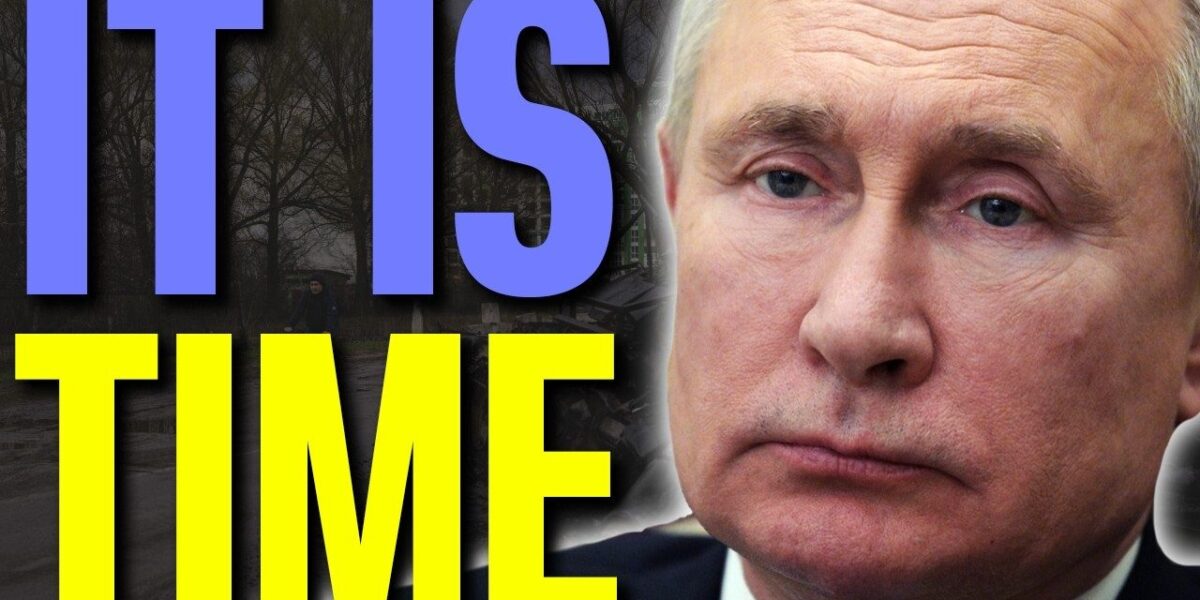
Russia Faces Recruitment Shortfall Amidst War Strain
As the conflict in Ukraine grinds on, Russia appears to be reaching a critical juncture in its military recruitment efforts. The once-reliable flow of volunteers, enticed by significant financial incentives, has dwindled, forcing the Kremlin to adopt increasingly unconventional and potentially destabilizing strategies to fill its ranks. Reports indicate a significant shortfall in recruitment targets, suggesting that the war’s human cost is beginning to strain the nation’s capacity to sustain its military operations without resorting to more coercive measures.
Targeting Students: An Unconventional Recruitment Pool
In a notable shift, Russian universities are reportedly offering students facing academic expulsion a “special contract” with the military. This initiative, observed at institutions like the Higher School of Economics and Moscow Institute of Physics and Technology, promises a year of service, primarily in drone operations, with specialized training and financial support. Crucially, these contracts often include assurances against frontline combat deployment and the possibility of returning to studies post-service. While presented as a “second chance,” critics argue this is a desperate measure to meet recruitment quotas, which in some regions have reportedly been met at a mere 25%.
“For a student drowning in stress, possibly in debt, possibly afraid of disappointing family — that number glows like a lighthouse.”
The financial incentives, sometimes reaching up to five million rubles (approximately $60,000), are a significant draw for students facing academic failure and potential financial hardship. However, concerns are being raised about the reliability of these promises. Past experiences with military contracts have revealed patterns of coercion, withheld salaries, and indefinite extensions, suggesting that the reality of service may diverge sharply from the initial offer. The move to recruit educated youth in this manner signals a growing desperation to fill manpower gaps.
Year-Round Draft Normalization: A Structural Shift
Concurrent with these student-focused initiatives, Russia has legislated a move towards a year-round conscription model. Previously concentrated in spring and fall, the draft process can now occur throughout the year, with draft boards authorized to conduct medical and psychological screenings from January 1 to December 31. While officially framed as an administrative efficiency measure to reduce bottlenecks and improve quality, this change effectively normalizes continuous recruitment pressure.
The implications are significant. Even if actual deployment windows remain seasonal, the constant readiness of the system means potential conscripts face perpetual scrutiny and administrative processes. This structural adjustment is seen as a direct response to the exhaustion of the voluntary recruitment model and a lagging casualty replacement rate, reportedly falling short by approximately 9,000 in a recent period. The Kremlin’s strategy appears to be one of normalization: making recruitment a steady, administrative process rather than a dramatic, attention-grabbing event, thereby attempting to avoid the public shockwaves experienced during the 2022 partial mobilization.
Expanding Legal Tools for Reserve Mobilization
Beyond the direct conscription of students and the normalization of the draft, analysts suggest Russia is quietly expanding its legal framework for involuntary reserve call-ups. Recent legislative tightening against “evasion of duty to defend the Fatherland” and “distortion of historical truth” are seen not merely as ideological measures but as tools to increase legal pressure on potential draft evaders. Restrictions on social media and increased information control further aim to curb public dissent and visibility of discontent.
This approach mirrors the preparatory stages seen in 2022 but is being implemented with greater caution. The aim is to avoid the mass exodus and public backlash that characterized the previous partial mobilization. By creating a “rolling tide” of call-ups rather than a single, large wave, the Kremlin seeks to manage public reaction. Legislation allowing reservists to be deployed abroad without formal mobilization or martial law, and mandatory call-ups for training in 2026, are viewed as building blocks for a more flexible, albeit potentially more coercive, system.
“The more the state tightens legal screws, the more it signals vulnerability. Analysts describe these moves as coming from a ‘place of weakness.'”
The expansion of these legal measures is interpreted by some analysts as a sign of weakness, indicating that voluntary enthusiasm is waning and the state must resort to increased penalties and control to maintain manpower levels.
The Looming Dilemma: Another Mobilization?
The cumulative effect of these strategies points towards a potential, yet highly undesirable, outcome: a renewed, large-scale mobilization. The current recruitment tactics, from student enlistment to year-round drafts and expanded legal penalties, are seen as attempts to avert this scenario. However, if these measures prove insufficient to meet the war’s demands, the Kremlin may be forced to confront the specter of another partial mobilization, a move that carries immense economic, social, and political risks.
A repeat of the 2022 mobilization would likely trigger immediate shockwaves, including intensified labor shortages, economic disruption, and potentially renewed outward migration. The initial mobilization exposed the limits of public tolerance when personal safety and economic stability are threatened. While the state has sought to normalize recruitment, the underlying reality of manpower shortages and the increasing reliance on pressure rather than persuasion could lead to deeper societal fractures. The long-term sustainability of Russia’s military campaign hinges on its ability to navigate these complex recruitment challenges without igniting widespread dissent or crippling its own economy.
What’s Next?
The coming months will be critical in observing whether Russia’s “creative” recruitment strategies can adequately address its manpower needs. Attention will be focused on the effectiveness of the year-round draft and the impact of increased legal pressure on reservists. Any further signs of recruitment shortfalls or public discontent could push the Kremlin closer to the difficult decision of another full-scale mobilization, a scenario that carries profound implications for both Russia and the ongoing conflict.
Source: Putin Just Dropped a HUGE BOMBSHELL. (YouTube)

Related Articles
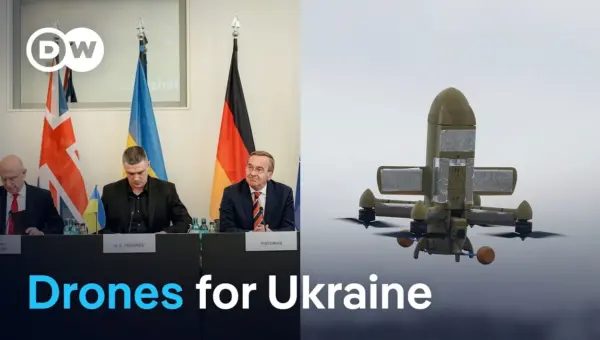
UK Pledges 120,000 Drones to Ukraine in Major Aid Package
Britain has pledged 120,000 drones to Ukraine, marking its largest aid package of its kind, during a meeting of the Ukraine Defense Contact Group in Berlin. The meeting highlighted both strong international solidarity and ongoing challenges in aid delivery, as Germany also boosts its own defense capabilities.

Russia’s War Costs Strain Putin’s Elite Bargain
Russia's prolonged war in Ukraine is straining President Putin's grip on power. Declining oil revenues and escalating military costs are forcing internal power shifts, with intelligence services reportedly gaining influence. This financial pressure is creating significant discontent among the elite and risking broader instability within the Kremlin.

Ukraine Strikes Russian Oil, Army Pushes Westward
Ukraine's spring offensive is underway, with Ukrainian forces making gains and forcing difficult choices for the Russian army. Meanwhile, Ukraine has intensified drone strikes on Russian oil infrastructure, aiming to cut off war funding. International interest in Ukraine's drone technology is growing, potentially reshaping global defense markets.