Leaked Putin WW3 Plans: Millions Dead, Europe in Crosshairs
Leaked documents from a Russian Telegram channel allegedly outline Putin's plans for a future European war, potentially causing 20 million deaths. The analysis suggests that while the infrastructure for escalation is being built, the upcoming 2026 election may act as a temporary deterrent to immediate, large-scale conflict.

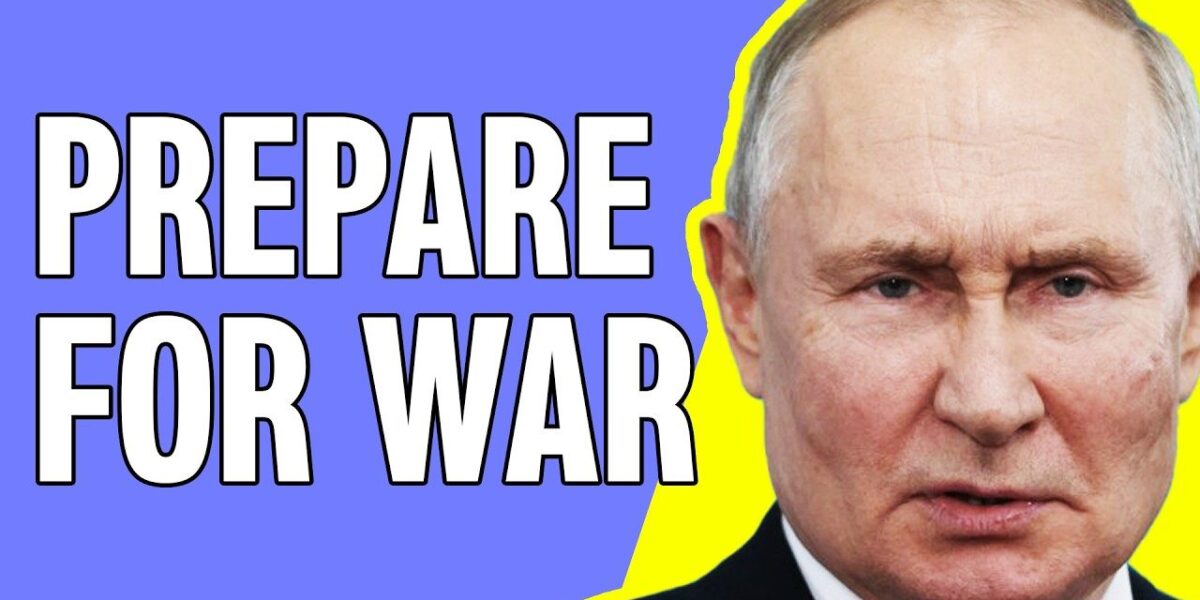
Russia’s Shadow Blueprint: A Looming European Conflict?
A chilling blueprint, allegedly detailing Russia’s plans for a future war in Europe extending beyond Ukraine, has surfaced, painting a grim picture of potential mass mobilization and devastating human cost. The claims, published by the Russian Telegram channel VChK-OGPU, suggest a conflict that could result in the deaths of up to 20 million people. While initially dismissed as sensationalism, the source’s history of accurate insider information, reportedly leading to pressure from authorities for its content to be blocked, lends a disturbing weight to these revelations.
The Snake Pit: Understanding the Kremlin’s Power Dynamics
The transcript posits that the Russian power structure is not a cohesive unit but rather a contentious “snake pit” of rivals vying for influence and access to the top leader. This internal competition, previously spilling into independent media, now largely plays out on anonymous Telegram channels.
These platforms have become a new battleground, a mix of genuine leaks, disinformation, and blackmail. However, VChK-OGPU stands out due to its track record of leaked information that has proven true, and the state’s alleged attempts to have the channel suppressed rather than simply prosecuting its authors.
The leaked document outlines a projection for a 2026-2028 operation aimed at “demilitarizing NATO,” involving mass mobilization and financial seizures. The author of the transcript emphasizes that given Russia’s prior actions, such as initiating the largest war on the European continent in modern history, these new projections cannot be easily dismissed. The core challenge in assessing these leaks lies in the nature of Russia’s political system.
The Man in the Bubble: Putin’s Isolated Perspective
Predicting the actions of a “personalist autocracy” is inherently difficult, as decisions ultimately stem from the mindset of one individual. The transcript argues that Vladimir Putin has operated within a highly controlled, isolated environment for nearly 26 years. Shielded by layers of security and interacting primarily with subordinates, his perspective is shaped by a curated, sanitized information flow that consistently presents a positive view of Russia and his leadership.
This isolation, compounded by a lack of internet savviness and reliance on filtered news, creates what the transcript calls a “parallel informational universe.” Understanding Putin’s potential moves, therefore, requires pattern recognition based on past behavior, a methodology acknowledged as imperfect. The leaked war plans, while technically feasible given the existing “machinery” of e-draft systems and unified databases, are subject to the crucial factor of timing.
The Election Crocodile: A Calendar of Uncertainty
The upcoming September 2026 general election, despite its predetermined outcome and exclusion of genuine opposition, is presented as a critical inflection point. The transcript likens the election process to a “crocodile” with its jaws tied – seemingly harmless but capable of unpredictable lashing. For the Kremlin, even a controlled election introduces stress and uncertainty.
“Historically, the most radical, unpopular, and risky decisions in Russia don’t happen before elections. They happen after. After the 2018 vote, for example, they raised the retirement age.
After earlier cycles, they rolled out restrictive laws. The most dramatic escalation of the current war came after an election cycle was safely behind them. Year one after elections — that’s the dangerous window.”
Launching a massive new mobilization or expanding the war before September 2026 would be a significant gamble, introducing instability precisely when the regime seeks consolidation. While the infrastructure for mobilization is being prepared, the decision to “pull the trigger” remains distinct from building the weapon.
The Loaded Gun: Financial Signals and Ambitions
VChK-OGPU suggests that Russia’s war-related spending significantly exceeds the needs of the current conflict, citing figures like 12% of GDP. While this could indicate preparation for a larger war, the transcript counters that excessive spending is a historical characteristic of the Russian state, evident in projects like the Sochi Olympics and various state tech initiatives. This pattern of overspending, corruption, and diversion of funds is presented as an ingrained part of the system.
The legal and administrative groundwork for large-scale mobilization, including electronic draft notices and unified databases, is acknowledged as real. The analogy of a “gun assembled, polished, and mounted on the wall” implies it will eventually be fired. However, the critical question remains: when?
Conclusion: Uncertainty Amidst Escalation Tools
As of late 2025, there is no visible large-scale buildup commensurate with the apocalyptic projections of mass mobilization and frozen bank deposits. Such a move now could destabilize the regime internally before escalating a conflict externally. The transcript concludes that while fear is not irrational given the tools for escalation and a leader who has made war a part of his identity, panic is premature.
The upcoming election cycle is a temporary brake, making the most catastrophic scenarios possible but not inevitable. The focus will remain on legislative changes, fiscal shifts, and top-level reshuffles. Should the system emerge from the 2026 election consolidated, the possibility of a new, more dangerous chapter could truly begin.
Source: "MILLIONS WILL DIE, AND I DON'T CARE": Leaked Putin's Plans for WW3 Against Europe (YouTube)

Related Articles

Ukraine Jails Ex-Official for Aiding Russian Forces
Former Ukrainian emergency service worker Nelya Chychota has been jailed for collaborating with Russian forces. Accused of spreading pro-Russian information and aiding the enemy, she denied the charges. The conviction highlights Ukraine's efforts to prosecute collaborators.


Putin’s Internet Shutdown: Paranoia or Precaution?
Russia's recent internet restrictions fuel speculation about President Putin's paranoia, potentially driven by fears of a coup and the weaponization of digital information by adversaries. Actions like buffer zones and dismissals suggest a leader under pressure.
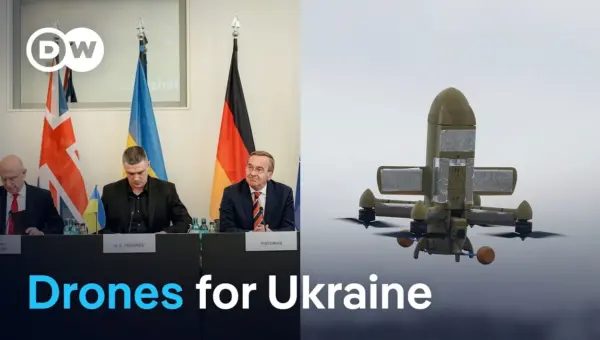
UK Pledges 120,000 Drones to Ukraine in Major Aid Package
Britain has pledged 120,000 drones to Ukraine, marking its largest aid package of its kind, during a meeting of the Ukraine Defense Contact Group in Berlin. The meeting highlighted both strong international solidarity and ongoing challenges in aid delivery, as Germany also boosts its own defense capabilities.