Supreme Court Decimates Trump’s Tariff Policy, Igniting Fury Amidst Deepening Epstein Scandals and Diplomatic Snubs
The Supreme Court has delivered a monumental blow to former President Donald Trump's trade policy, striking down his emergency tariffs in a 6-3 decision and prompting his furious condemnation of the judiciary. This ruling carries significant economic implications for American families and marks a pivotal moment for global trade relations. Meanwhile, the ongoing revelations from the Epstein files continue to expose a pervasive "Epstein class" of powerful figures seemingly above the law, raising profound questions about accountability and justice.

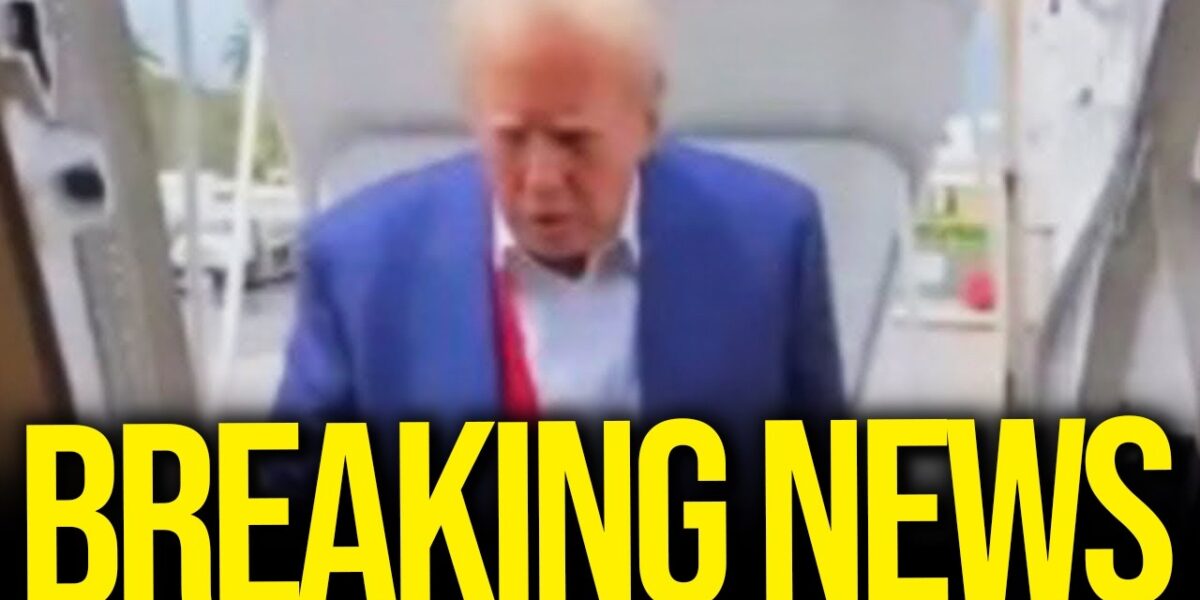
Supreme Court Decimates Trump’s Tariff Policy, Igniting Fury Amidst Deepening Epstein Scandals and Diplomatic Snubs
In a seismic legal and political development, the U.S. Supreme Court has delivered a decisive blow to former President Donald Trump’s signature trade policy, striking down his emergency tariffs in a 6-3 decision that unequivocally reaffirms congressional authority over taxation. The ruling, described by some commentators as ‘the worst day of Donald Trump’s entire presidency,’ has ignited a firestorm of protest from the former president, who has vehemently lashed out at the judiciary, accusing them of lacking ‘courage’ and acting for ‘political correctness reasons.’
This landmark decision not only reshapes the landscape of American trade but also has profound economic implications for households across the nation, challenging the long-held Trump administration narrative that foreign entities bear the brunt of these levies. The judicial upheaval unfolds against a backdrop of escalating scrutiny surrounding the Jeffrey Epstein files, which continue to reveal a disturbing web of connections involving powerful figures, raising uncomfortable questions about elite impunity and the reach of justice. Concurrently, a recent diplomatic misstep by Senator J.D. Vance, who attempted to enlist the Pope for America’s 250th-anniversary celebrations, highlights the complex interplay of politics, religion, and international relations on the global stage. These converging narratives paint a vivid picture of a nation grappling with constitutional principles, economic pressures, and the persistent demand for accountability from its most powerful echelons.
A Constitutional Showdown: Congress vs. President
The Supreme Court’s 6-3 decision unequivocally sided with Congress, asserting that the power to levy taxes and tariffs rests solely with the legislative branch, as outlined in Article I, Section 8 of the U.S. Constitution. This ruling directly challenged the Trump administration’s expansive interpretation of executive power, particularly its attempt to impose tariffs unilaterally under the guise of an ’emergency powers act.’ Critics argued there was no legitimate national emergency to justify such a move, characterizing it instead as an executive overreach designed to place a de facto tax on the American people without congressional consent.
The Court’s majority opinion underscored the fundamental principle of separation of powers, a cornerstone of American democracy designed to prevent any single branch from accumulating excessive authority. While the specific legal mechanisms cited by the Trump administration were not detailed in the transcript, the Court’s ruling suggests a clear rejection of the President’s ability to bypass established legislative processes for economic policy. Justices Thomas and Kavanaugh were noted as dissenting, with some observers suggesting their votes aligned with broader Republican political objectives rather than strict constitutional interpretation. This judicial affirmation of congressional power serves as a critical check on presidential authority, reinforcing the notion that even the nation’s highest office is subject to constitutional limits.
The Economic Fallout for American Families
The economic ramifications of Trump’s tariffs, now deemed unconstitutional, have been a subject of intense debate and criticism. Far from being paid by foreign countries, as often asserted by the former president, these tariffs were ultimately borne by American companies importing goods, which then passed the increased costs onto domestic consumers. This mechanism translated into a significant financial burden for average American families, with estimates suggesting a $1,000 increase in the price of goods in 2025 alone, projected to rise to an additional $1,600 in 2026.
This ‘disaster’ for household budgets has been linked to broader economic challenges. Commentators highlighted that unemployment and inflation have both seen increases since the initial imposition of these tariffs. Businesses, burdened by the tariff payments, have less capital available for hiring new staff, training existing employees, or investing in growth, creating a ripple effect across the economy. The discussion also contextualized the impact of these tariffs within the broader cost of living, noting that while some areas like gasoline prices might see minor fluctuations, the overall financial strain on families due to rising car payments, housing costs, and everyday necessities remains significant. For many, the perceived benefit of cheaper gas is quickly overshadowed by the substantially higher monthly expenses across various categories, leading to widespread public dissatisfaction and a sense of financial insecurity.
Global Repercussions and US Isolation
Beyond the domestic economic impact, the Trump administration’s tariff policies have had profound implications for the United States’ standing on the global stage. Prior to Trump taking office, the average global tariff rate stood at approximately 2.5%. Under his administration, U.S. tariffs escalated dramatically, reaching an average of around 40% at their peak, and currently hovering at 10% before recent announcements. This stark divergence from international norms effectively created what has been described as ‘two trade zones’: the United States, perceived as a ‘big red no zone’ due to its substantially higher tariffs, and the rest of the world, operating under the much lower 2.5% average.
This protectionist approach, intended to leverage trade negotiations and protect domestic industries, instead led to the United States becoming increasingly isolated. Instead of compelling other nations to concede, it prompted them to forge new alliances and reconfigure supply chains to bypass the U.S. market. The example of Canada partnering with China was cited as evidence of this global realignment, where countries are seeking more favorable trading environments. Many observers viewed the Supreme Court’s decision as effectively ‘saving Trump from himself,’ preventing further damage to America’s international trade relations and reputation. The sustained imposition of high tariffs had demonstrably turned the United States into a ‘pariah’ in global trade, undermining decades of efforts to foster international cooperation and free trade principles.
Political Ramifications and the Call for Refunds
The Supreme Court’s ruling immediately triggered a furious response from former President Trump, who vehemently attacked the judiciary. His rhetoric, described by some as ‘declaring war against the courts,’ drew comparisons to language typically reserved for those accused of insurrection. Critics highlighted the stark contrast between Trump’s reaction and how previous presidents, such as Barack Obama, handled unfavorable Supreme Court decisions, usually responding with respectful disagreement rather than outright condemnation and accusations of political bias. Trump’s immediate blame of the Court for foreign interference and political correctness further intensified the political fallout.
For Democrats, the ruling served as a vindication of their long-standing arguments that Trump’s tariffs were both unconstitutional and economically detrimental. This has created a potent messaging opportunity for upcoming elections, centered on the question: ‘Where is my refund check?’ Given that average Americans bore the cost of these tariffs through higher consumer prices, the demand for restitution resonates strongly with the 60% of Americans reportedly living paycheck to paycheck. However, concerns were raised that any potential refunds might disproportionately benefit corporate America, despite consumers having paid the initial costs. This scenario, where corporations benefit from both sides of the tariff equation, was framed as another example of the ‘Epstein class’ winning, regardless of the outcome. Democrats are now exploring proposals for a ‘universal tax rebate’ funded by closing tax loopholes for billionaires, aiming to redistribute wealth and offer tangible financial relief to the American populace.
Trump’s Defiance and the Threat of Escalation
In a display of defiance following the Supreme Court’s ruling, former President Trump immediately escalated his rhetoric, announcing via social media his intention to raise global tariffs from 10% to ‘a fully allowed and legally tested 15% worldwide.’ This move, described as ‘mad king mode’ and driven by ‘spite,’ underscores his determination to maintain and expand his protectionist trade policies despite judicial and economic setbacks. Such an increase, if implemented, would further cement the United States’ position as an outlier in global trade, exacerbating the ‘two trade zones’ dynamic and potentially isolating the U.S. even more.
Commentators interpreted this aggressive stance as a display of weakness from a ‘lame duck president’ backed into a corner, lashing out to assert control. Politically, this creates a ‘doomsday scenario’ for congressional Republicans in the upcoming fall elections. They will likely be forced to vote on whether to approve and maintain these tariffs just weeks before voters head to the polls. This presents an impossible dilemma: either risk alienating the MAGA base by opposing Trump’s tariffs or infuriate the broader 70-80% of Americans who are tired of paying higher taxes and prices. Trump’s personal approach to policy, where he ‘takes everything personally’ and seeks ‘as much control and power and leverage,’ appears to be driving these decisions, potentially creating significant political liabilities for his party.
The Unfolding Saga of the Epstein Files and Elite Accountability
The Supreme Court’s tariff ruling coincides with the continued and overwhelming release of documents related to Jeffrey Epstein, casting a long shadow over powerful figures in politics, finance, and royalty. These files have reignited public demand for accountability, exposing a network of individuals who allegedly benefited from or were complicit in Epstein’s heinous crimes.
Prince Andrew’s Arrest: A Glimmer of Justice?
A significant development in the Epstein saga has been the arrest of former Prince Andrew in the United Kingdom. This action, following the release of files by the U.S. Department of Justice (DOJ) due to efforts by members of Congress like Ro Khanna and Thomas Massie, highlighted Europe’s proactive stance on accountability. Prince Andrew was reportedly arrested for violating his public office as a trade envoy, having allegedly provided secret information to Epstein. His arrest is seen by many as a crucial precedent, demonstrating that ‘if a prince can be arrested, then so can the president of the United States… so can the richest person on the planet in Elon Musk.’ The sentiment is clear: nobody, regardless of their status or wealth, should be considered above the law.
The Enigmatic New Mexico Ranch and Lingering Questions
Further deepening the mystery surrounding Epstein’s activities is the discovery of his New Mexico ranch, which was reportedly sold to a GOP mega-donor whose son works in the Trump White House and is closely associated with Steve Bannon. Authorities have faced resistance in investigating this property, fueling ‘intense rumors and theories about bodies that are buried at this ranch.’ The New Mexico state legislature has taken the unusual step of voting unanimously to empower the Attorney General, Raul Torres, to establish a special prosecutory investigative unit to thoroughly examine the ranch. This move underscores the serious nature of the allegations and the public’s demand for answers, with some speculating that what is being hidden is not merely abuse, but potentially murder, citing Epstein’s alleged acquisition of large quantities of sulfuric acid and other chemicals before his death.
The "Epstein Class": A System of Impunity
The recurring theme emerging from the Epstein files is the existence of a powerful, interconnected ‘Epstein class’ – an elite group that appears to operate with a disturbing degree of impunity. This class, it is argued, consistently ‘wins no matter what,’ not only in matters of abuse and violence but also in manipulating economic systems for their own benefit. The discussion highlighted how this elite might contribute to the rising cost of living for average Americans and the decay of national infrastructure, suggesting a systemic rigging of the economy. Examples cited include Howard Lutnik, who reportedly bet against the tariffs and stands to gain significantly from government rebates, showcasing how policies can be structured to benefit the powerful regardless of public outcome. Even Prince Andrew’s ‘banishment’ from royal duties still afforded him a free house with servants for life, illustrating how consequences for this class often fall short of true accountability. For this ‘Epstein class,’ partisan politics is often merely a ‘game,’ a superficial division that masks a deeper, shared interest in self-preservation and mutual support.
The Peril of Selective Outrage
A striking observation from the ongoing Epstein revelations has been the perceived silence or disinterest from certain right-wing and QAnon circles. These groups, previously vocal about elaborate ‘Pizzagate’ conspiracy theories involving Hillary Clinton and coded messages, have largely remained quiet on the actual, tangible evidence emerging from the Epstein files. Commentators pointed out the irony of this selective outrage, noting the existence of ‘actual evidence about sulfuric acid, actual evidence about ranches, actual emails between Elon Musk and Jeffrey Epstein,’ which far surpass the speculative nature of previous conspiracy theories. The deep connections between figures like Steve Bannon, who reportedly managed PR for Epstein while simultaneously aiding Donald Trump’s presidential ascent, raise significant red flags. The suggestion that close association with Epstein might have been a ‘prerequisite’ for joining the Trump administration, through key figures like Elon Musk and potential Fed chair picks, underscores the pervasive nature of these ties and the disturbing lack of scrutiny from those who often claim to be exposing hidden truths.
JD Vance’s Vatican Misstep and the Pope’s Moral Stand
Amidst the domestic political and economic turmoil, a diplomatic episode involving Senator J.D. Vance and the Vatican has drawn attention to the intersection of international relations, religious authority, and political messaging.
A Diplomatic Snub with Profound Meaning
Senator J.D. Vance embarked on a trip to Rome with the intention of inviting the Pope to America’s 250th-anniversary celebrations. However, the overture met with a polite but firm refusal. The Pope, identified in the transcript as ‘Pope Leo’ (a likely misstatement, referring to the current Pope Francis), reportedly declined the invitation, stating his intention to spend July 4th with migrants instead. This decision was widely interpreted as a powerful message of ’empathy over cruelty,’ a subtle but significant moral rebuke to certain political ideologies. It also indicated the Pope’s unwillingness to be utilized as a ‘political prop’ in an election year by factions perceived as promoting exclusionary or nationalist agendas.
An awkward video clip of Vance’s encounter with the Pope circulated, showing Vance presenting a letter from the President and First Lady, along with a Chicago Bears jersey. The Pope’s visibly lukewarm reception, setting the gifts aside with minimal engagement, underscored the perceived lack of genuine connection. The incident added to Vance’s public persona, with commentators recalling a previous ‘worst 24 hours’ for the Senator, where he reportedly broke a championship trophy and experienced a Pope (Benedict XVI) passing away shortly after their meeting. These anecdotes contribute to a narrative of Vance’s perceived lack of charisma or ‘RZ’ (rapport quotient) in public and diplomatic interactions.
The Broader Context of America’s 250th
The Pope’s decision not to attend America’s 250th-anniversary celebrations carries broader symbolic weight, particularly as the United States navigates complex domestic and international challenges. His choice to prioritize spending time with migrants aligns with the Vatican’s consistent advocacy for human dignity, social justice, and compassion for vulnerable populations. This moral stance implicitly contrasts with political narratives that might be perceived as less inclusive or more isolationist. In essence, the Pope’s actions offered a powerful, non-partisan message on the global stage, urging a focus on universal humanitarian values at a time when America’s international leadership and moral compass are under intense scrutiny. It prompts reflection on the values the nation wishes to project as it commemorates a quarter-millennium of its founding.
Conclusion
The convergence of these events — a Supreme Court asserting constitutional boundaries, the persistent shadow of elite malfeasance, and a global moral leader’s subtle rebuke — underscores a period of profound reevaluation for the United States. The Supreme Court’s decision on tariffs, while a victory for constitutional governance, has provoked a defiant response from former President Trump, foreshadowing continued political turbulence and economic uncertainty. His immediate threat to raise global tariffs further highlights a willingness to prioritize personal political objectives over broader national and international stability.
Meanwhile, the unfolding Epstein revelations serve as a stark reminder of the deep-seated challenges in achieving true accountability for the powerful, suggesting a systemic ‘Epstein class’ that often operates above conventional legal and ethical frameworks. The investigations into the New Mexico ranch and the arrest of Prince Andrew offer glimmers of hope for justice, yet simultaneously expose the vast reach of this influential network. As the nation approaches its 250th anniversary, these narratives collectively challenge Americans to confront fundamental questions about economic justice, the rule of law, and the very character of its leadership on both the domestic and international stages. The path forward demands a renewed commitment to transparency, constitutional fidelity, and equitable justice for all, beyond the influence of powerful elites.
Source: Trump’s ENTIRE TERM just got ROCKED… (YouTube)

Related Articles
Trump’s Wild Claims Fuel GOP Chaos and Public Doubt
Donald Trump's recent erratic statements and Republican figures' defense strategies are causing political turmoil. Concerns over economic misrepresentation and the handling of the Jeffrey Epstein case are mounting, leading to a public demanding more accountability and truth.
Trump’s Allies Stumble, Exposing MAGA Movement’s Weaknesses
Recent events reveal cracks in the MAGA movement, from JD Vance's failed support for Viktor Orban in Hungary to disappointing Turn Point USA rallies. Trump's attacks on Pope Leo also alienate allies and expose strategic missteps. These challenges suggest a weakening of the movement's influence.

Trump’s “Malignant Narcissism” and Vance’s “Dark Emptiness”
Gerard Baker and Katy Balls discuss Donald Trump's "malignant narcissism" and JD Vance's perceived "dark emptiness." The conversation covers the US blockade of Iran, Vance's evolving role, and Trump's controversial "Jesus Christ" post, exploring its political implications and the nature of faith and authenticity in politics.