Micro-Influencers Outperform Celebrities for ROI
A new analysis of 2,88 influencer campaigns reveals micro-influencers (10k-100k followers) deliver the highest ROI, significantly outperforming celebrities. This data suggests follower count is a poor predictor of success, with engagement and trust being key drivers. Brands can activate 100 micro-influencers for the cost of one celebrity, signaling a strategic shift towards targeted, authentic marketing.

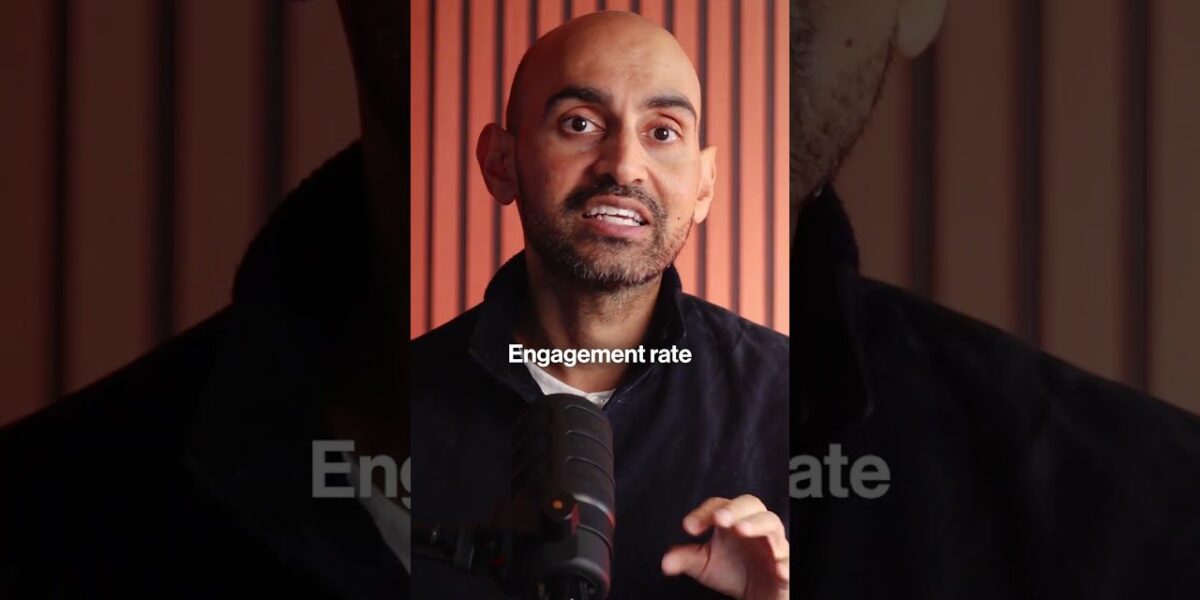
Micro-Influencers Drive Superior ROI in Marketing Campaigns
A comprehensive analysis of influencer marketing strategies reveals a significant shift in effectiveness, challenging the long-held belief that larger follower counts equate to better return on investment (ROI). Research conducted by NP Digital, examining 2,88 influencer campaigns, indicates that micro-influencers—creators with follower bases ranging from 10,000 to 100,000—deliver the highest ROI across all creator tiers. This finding directly contradicts the conventional approach of pursuing mega-influencers and celebrities with millions of followers, who, according to the data, consistently underperform in terms of campaign efficacy.
The Flaw in Follower Count Obsession
The prevailing influencer marketing playbook has historically prioritized follower count as the primary metric for success. However, this data suggests that follower count is, in fact, the worst predictor of a campaign’s ROI. The study highlights that while large follower numbers may seem attractive, they do not translate into tangible business results as effectively as smaller, more engaged audiences.
Why Micro-Influencers Excel
Several key factors contribute to the superior performance of micro-influencers:
- Higher Engagement Rates: Micro-influencers boast engagement rates approximately four times higher than those of branded accounts. This heightened interaction signifies a more active and invested audience.
- Perceived Trust and Authenticity: Followers often view micro-influencers as trusted peers rather than paid spokespeople. This authentic connection fosters greater credibility and receptiveness to their recommendations.
- Cost-Effectiveness: The cost of engaging micro-influencers presents a compelling value proposition. Brands can activate approximately 100 micro-influencers for the same cost as a single celebrity partnership. This allows for broader reach and diversification of messaging at a fraction of the price.
Strategic Implications for Brands
The findings present a clear strategic imperative for businesses: the most effective approach is not to pursue the largest possible audience, but rather to focus on targeted engagement and authenticity. The data supports a strategy that prioritizes:
- Targeted Reach: Focusing on micro-influencers allows brands to connect with niche audiences that are more likely to be interested in their products or services.
- Building Trust: Leveraging creators who have established genuine relationships with their followers can significantly enhance brand perception and trust.
- Scalability: By working with a larger number of micro-influencers, brands can scale their campaigns effectively, reaching diverse segments of their target market without the prohibitive costs associated with mega-influencer collaborations.
Market Impact and Investor Considerations
This shift in influencer marketing effectiveness has significant implications for the marketing technology (MarTech) sector and consumer packaged goods (CPG) companies, among others. Brands that adapt their strategies to leverage micro-influencers are likely to see improved campaign performance, better customer acquisition costs, and a stronger return on their marketing spend.
Investors monitoring the MarTech space may want to pay attention to companies specializing in micro-influencer platforms and analytics, as these could see increased demand. For publicly traded companies, a move towards more efficient influencer spend could positively impact profit margins, particularly in sectors heavily reliant on digital advertising and consumer engagement.
The traditional model of influencer marketing, which often equates reach with impact, is being challenged by data-driven insights. The rise of micro-influencers signifies a move towards more authentic, targeted, and cost-effective marketing strategies. Brands and investors alike should consider this evolving landscape when allocating resources and evaluating market opportunities.
Source: 100 Creators for the Price of 1 Celebrity? (YouTube)

Related Articles

Boost Your Business: 8 Fixes for Google’s New AI Playbook
Discover 8 essential fixes to align your website with Google's AI. Learn how to improve site speed, optimize content, enhance media, and integrate your SEO and ad teams for better rankings and lower ad costs.


Make Your Google Ads Clickable: Write Better Headlines
Learn how to improve your Google Ads by rewriting website headlines. Discover common mistakes and get tips to make your ads more clickable and effective for your business.


Connect Marketing Actions to Business Profit
Learn how to connect your marketing activities directly to business profit. This guide shows you how to shift your reporting from basic metrics to showing real revenue impact, satisfying executive demands and proving your marketing's value.