Authenticity Drives Influencer Marketing ROI
Brands are urged to ditch scripted content in influencer marketing. Empowering creators with clear goals and key points, rather than rigid scripts, leads to more authentic content, increased trust, and better conversion rates, ultimately boosting ROI.

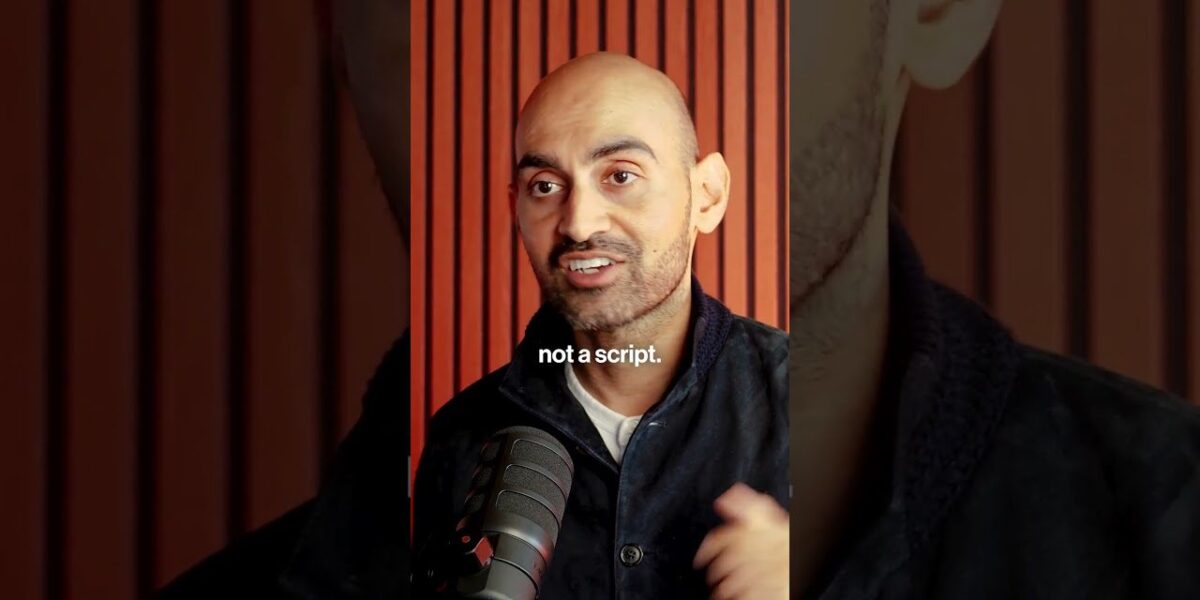
Authenticity Drives Influencer Marketing ROI
In the increasingly crowded digital landscape, brands are constantly seeking effective ways to connect with consumers. A recent analysis of influencer marketing strategies highlights a critical flaw in many campaigns: the over-reliance on rigid scripts and mandated talking points. This approach, far from enhancing brand messaging, often undermines the very essence of what makes influencer collaborations successful – authenticity and trust.
The Pitfalls of Scripted Campaigns
The core principle of influencer marketing is leveraging the established trust and relatable persona of creators to promote products or services. However, many brands fall into the trap of treating influencers as mere billboards, dictating exact verbiage and specific talking points.
This practice strips away the creator’s unique voice and style, which is precisely what attracts and retains their audience in the first place. The data consistently shows that sponsored posts perform best when creators are allowed to maintain their authentic voice and creative freedom.
Empowering Creators for Better Results
Instead of providing detailed scripts, brands should focus on providing a clear objective for the campaign, essential key points that need to be communicated, product usage guidelines, and mandatory disclosure requirements. This approach empowers creators to develop content that aligns with their natural tone and resonates with their audience’s engagement patterns. When influencers can create content in a format that matches their usual posting style, the resulting material feels genuine, the recommendations appear credible, and ultimately, conversions are more likely to occur.
The Data Behind Authenticity
While specific quantitative data was not provided in the original analysis, the qualitative insight is clear: sponsored content that feels organic and unscripted achieves higher engagement and trust. This translates to better campaign performance, as audiences are more receptive to recommendations that do not feel overtly commercial.
The effectiveness of micro-influencers, in particular, is amplified when their content retains its genuine character. These creators often have highly engaged niche audiences who value their personal insights and recommendations.
Strategic Briefing vs. Scripting
The recommended approach for brands involves a strategic briefing process. This includes:
- Defining the Goal: Clearly articulate what the brand aims to achieve with the campaign (e.g., brand awareness, lead generation, direct sales).
- Key Message Points: Outline the essential information the influencer needs to convey about the product or service.
- Product Usage Guidelines: Ensure the influencer understands how to use the product correctly and effectively.
- Disclosure Requirements: Emphasize the importance of transparently disclosing the sponsored nature of the content, adhering to regulatory standards.
Once these parameters are set, the brand should grant the creator the freedom to craft the content in their own voice and preferred format. Brands can, and should, implement a review process, requiring the creator to submit content for approval before it goes live. This ensures brand safety and alignment without stifling creativity.
Market Impact and Investor Considerations
The influencer marketing industry is a significant component of the broader digital advertising market, valued in the billions of dollars. Brands that adopt more authentic, creator-centric strategies are likely to see improved return on investment (ROI) from their marketing spend.
This can lead to increased brand loyalty, higher customer acquisition rates, and ultimately, stronger financial performance for companies. For investors, companies that demonstrate a sophisticated understanding of influencer dynamics and prioritize authentic engagement may represent more resilient and growth-oriented investments within the consumer discretionary and technology sectors.
What Investors Should Know
The shift towards authenticity in influencer marketing is a trend that reflects a broader consumer demand for genuine interactions and transparency. Companies that master this approach are better positioned to capture market share and build lasting customer relationships.
Investors should look for companies that are adapting their marketing strategies to align with these evolving consumer preferences. The ability to generate authentic buzz and trust through creator partnerships can be a significant competitive advantage, impacting a company’s brand equity and long-term profitability.
Conclusion
In conclusion, the most effective influencer marketing campaigns are built on a foundation of trust and authenticity. By moving away from rigid scripts and empowering creators to speak in their own voices, brands can foster genuine connections with consumers, leading to more meaningful engagement and measurable results. This strategic shift not only benefits the brands involved but also signals a more mature and effective approach to digital advertising, with positive implications for companies and their investors.
Source: Stop Giving Your Influencers a Script (YouTube)

Related Articles


Prove Your Marketing Works: Track These 3 Metrics
Learn to prove your marketing's effectiveness by tracking three key metrics: Share of Voice, Brand Demand Growth, and Conversion Quality. Move beyond last-click attribution to understand your true business impact.

Connect Marketing Actions to Business Profit
Learn how to connect your marketing activities directly to business profit. This guide shows you how to shift your reporting from basic metrics to showing real revenue impact, satisfying executive demands and proving your marketing's value.

How to Use AI to Make Your Marketing Stand Out
Discover how to use AI effectively in marketing without making your brand invisible. Learn to leverage AI for idea exploration and build creative systems, ensuring your unique brand voice and emotional connection with customers shine through.