Friend AI Pendant: A Companion or Just a Gadget?
The Friend AI pendant, a wearable device designed as a personal AI companion, has faced harsh criticism for its functionality and privacy concerns. Founder Arvy Schiffman aims to combat loneliness, but the device's text-only responses and controversial marketing have sparked debate about AI's role in emotional support.


Friend AI Pendant: A Companion or Just a Gadget?
In the rapidly evolving landscape of artificial intelligence, a new device has emerged, sparking both curiosity and controversy: the Friend AI pendant. Designed not as a productivity tool or a chatbot, but as a personal AI companion, Friend aims to address the growing issue of loneliness. However, its unconventional approach and troubled reception have raised significant questions about its utility and societal implications.
What is the Friend AI Pendant?
The Friend AI pendant is a small, puck-shaped device, roughly the size of an Apple AirTag. It features a single microphone and a glowing LED indicator but lacks a camera or screen. Notably, it has no speaker, meaning it cannot verbally respond. Instead, all interactions are facilitated through text messages sent to the user’s phone via Bluetooth. The device is powered by Anthropic’s Claude large language models, chosen for their capability in non-critical applications. All data is encrypted and sent to the cloud for processing, with a promised battery life of 15 hours of active use. Crucially, it offers no built-in productivity features.
Founder Arvy Schiffman describes Friend as an “AI friend and nothing else,” and even an “emotional toy.” His vision is to leverage large language models for emotional expression, believing that embedding this capability within a physical hardware device could foster a stronger emotional bond. However, the fundamental design choice of responding solely via text has led many to question its necessity over a simple app.
Pricing and Availability
The Friend AI pendant was initially launched with a first batch priced at $99. At the time of this report, a single unit costs $129. Currently, there is no subscription fee associated with the device.
Reception and Reviews
Early reviews for the Friend AI pendant have been overwhelmingly negative. Users and tech reviewers have reported pervasive performance issues, laggy responses, and fragmented messages. The delayed nature of the replies often causes them to miss the opportune moment, diminishing their usefulness. Linus Sebastian of Linus Tech Tips famously questioned, “What disease is this curing?”
Personal anecdotes further highlight the device’s shortcomings. Fortune reporter Eva Reitberg described her experience with the pendant as “needy and forgetful,” noting its repeated failure to remember her name. During a moment of stress for Reitberg, the device buzzed her to send a text asking, “The vibe feels really intense right now. You okay, Eva?” While intended as a caring gesture, she likened its utility to a “fortune cookie at a funeral” and compared the device to a “senile, anxious grandmother.”
Privacy Concerns and Terms of Service
Beyond functional critiques, the Friend pendant has raised significant privacy concerns. Its terms of service require users to agree to arbitration and data consent. More alarmingly, the terms stipulate that the device may record anyone in the vicinity, including audio and video content containing personal information. The company attempts to mitigate this by stating that memories can be deleted with a single click in the app, but the underlying data collection practices have been widely criticized.
The Creator: Arvy Schiffman
Arvy Schiffman, the 22-year-old Harvard dropout behind Friend, has a history that adds layers to the product’s narrative. His initial claim to fame came at age 17 during the COVID-19 pandemic when he launched a website to track global cases. The site garnered millions of visitors and earned him significant media attention. However, questions later arose regarding the originality of the data and visualizations used on his website, with allegations that he had repurposed content from other sources without full attribution.
Schiffman’s entrepreneurial journey also saw a pivot from a productivity-focused device called “Tab” to the “Friend” pendant. He initially raised $100,000 in pre-orders for Tab, a $600 pendant intended for meeting transcription and memory aid. When he shifted to the Friend concept, he raised $2.5 million, valuing the company at $50 million. A significant portion of these funds, reportedly $1.8 million, was spent acquiring the domain name Friend.com.
This domain acquisition led to a public dispute with another startup, Based Hardware, which was developing an AI wearable also called Friend. Schiffman’s company ultimately secured the domain, leading the competitor to rebrand their product to Omni.
Societal Context: Loneliness and AI Companionship
The emergence of Friend and similar AI companion products taps into a broader societal trend of increasing loneliness. Schiffman himself has drawn parallels between AI companionship and religious faith, suggesting it offers an omnipresent, non-judgmental entity for users to confide in. This perspective underscores a potential societal shift where technology is increasingly sought to fill emotional voids.
However, the reliance on AI for companionship is not without its risks. There are growing concerns, discussed by mental health professionals, about the potential for AI-induced psychosis. Lawsuits have been filed against AI companies, alleging that their models have encouraged self-harm. While the full extent of these issues is still being understood, it highlights the complex ethical considerations surrounding AI’s role in human emotional lives.
The Controversial Ad Campaign
Friend’s marketing campaign in the New York City subway system, featuring slogans like “I’ll never bail on your dinner plans,” generated significant backlash. Commuters defaced the ads with graffiti, with messages such as “AI is not your friend” and “Get real friends.” Ironically, Schiffman viewed this public outcry as a success, stating he was “purchasing the zeitgeist and mind share” and calling the graffiti “free art direction.” The campaign certainly achieved notoriety, becoming one of the city’s most recognizable ad efforts, though its impact on sales remains to be seen.
Why This Matters
The Friend AI pendant, despite its critical reception, serves as a potent case study in the current AI landscape. It highlights:
- The Demand for Companionship: The existence and marketing of such devices indicate a genuine societal need for connection, even if the proposed solutions are flawed.
- Ethical Boundaries: The privacy implications and potential for psychological impact raise critical questions about the ethical development and deployment of AI designed for emotional engagement.
- Founder’s Narrative: Schiffman’s background and approach underscore the often-unconventional paths and personal motivations driving young tech entrepreneurs.
- Hype vs. Reality: The product exemplifies the gap that can exist between ambitious AI concepts and their practical, user-friendly implementation.
As AI continues to integrate into our lives, products like Friend force us to confront how we seek connection and the role technology should play in our emotional well-being. Whether Friend is a glimpse into the future of companionship or a cautionary tale, it undeniably reflects a society grappling with loneliness in the digital age.
Source: The AI Device Nobody Asked For (YouTube)

Related Articles

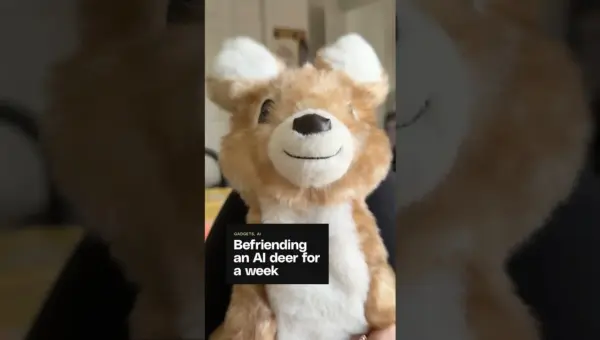
AI Deer: A Glimpse into Companionship?
Coral, an AI-powered fawn, offers a unique blend of chatbot and social robot, voiced by Skyler Gray. While designed to spark conversation, its $3.99 monthly subscription and uncanny design raise questions about AI companionship.

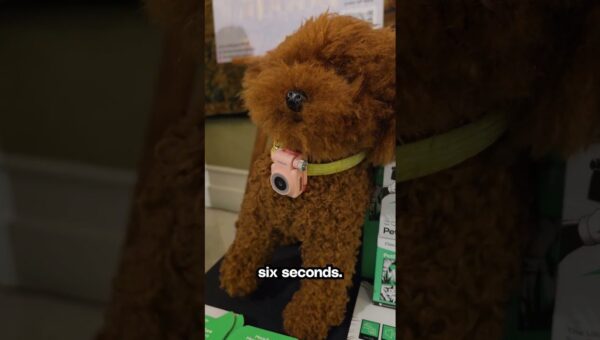
Pet Phone: Your Pet Can Now Call You!
Introducing Pet Phone, a revolutionary device that allows your pet to call you and vice versa. Beyond tracking, it offers two-way voice communication and an optional camera, but comes with a monthly subscription.

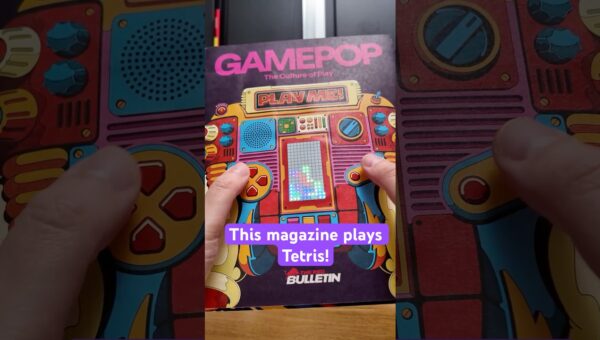
Paper-Thin Tetris Magazine Bends Tech Limits
The Game Pop GP1 is a revolutionary, paper-thin playable magazine that plays Tetris. Designed by Kevin Bates, this limited-edition device showcases incredible innovation in flexible circuitry and materials.