Judges Expose Government Lies in Migrant Cases
Two federal judges have issued critical rulings against the Trump administration's immigration policies, exposing alleged lies to courts and violations of due process. The decisions highlight judicial efforts to curb perceived lawlessness in deportation and detention practices.

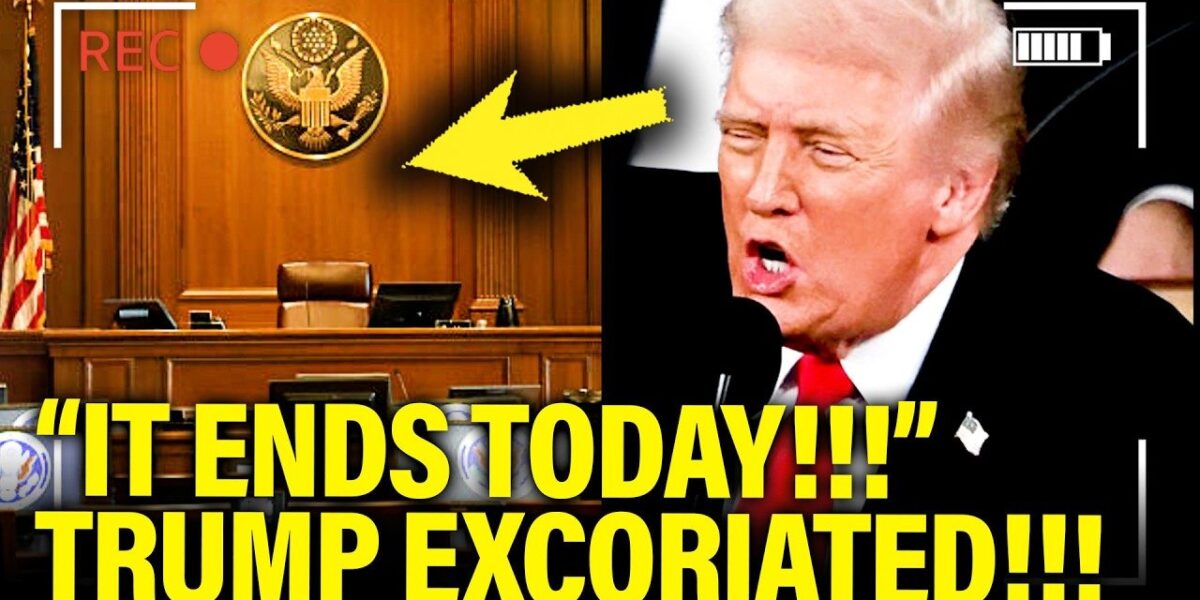
Federal Judges Uncover Systematic Deception in Immigration Enforcement
In a significant development, two federal judges, operating just 24 hours apart, have issued scathing rulings against the Department of Justice, Department of Homeland Security, and the Trump administration. The judges found that federal agencies have not only illegally violated the due process rights of migrants but have also systematically lied to federal courts and submitted false evidence in their efforts to deport individuals. This judicial pushback signals a more robust use of judicial power to curb perceived lawlessness within the executive branch.
Judge Murphy’s Scathing Indictment of Government Conduct
In Massachusetts, U.S. District Judge George A. Murphy detailed an 81-page order exposing a pattern of deception by the federal government. The case involved migrants who had been ordered by the court to remain in the United States pending rulings, yet the government attempted to remove them to third countries, including Morocco and Somalia. Judge Murphy found that the government misled his court and even the U.S. Supreme Court regarding its policies and actions.
“This case is about whether the government may without notice deport a person to the wrong country or a country where he is likely to be persecuted or tortured, thereby depriving that person of the opportunity to seek protections to which he would be undisputably entitled.”
– Judge Murphy’s Order
The judge highlighted that the Department of Homeland Security had adopted a policy of deporting individuals to so-called “third countries” without adequate notice, potentially sending them to places where they would face persecution or torture. This practice, Judge Murphy stated, directly contravened U.S. policy mandated by Congress, which prohibits the involuntary return of any person to a country where they would face torture.
Judge Murphy’s order specifically called out two instances where the government allegedly lied to the Supreme Court. First, the government had assured the Supreme Court that individuals would be given notice of third-country removals and an opportunity to raise fears of persecution. However, less than a week later, DHS issued a new policy that, according to the judge, failed to satisfy due process requirements. Second, the government claimed to the Supreme Court that its order had forced a halt to deportations, requiring the detention of individuals at a military base in Djibouti. Yet, testimony before Judge Murphy indicated that the flights were never interrupted and that the individuals were still within U.S. airspace when the court’s order was issued.
The court also found the government’s arguments regarding the burden on migrants to know potential risks in various countries to be absurd. Judge Murphy questioned whether an Ecuadorian woman should be expected to know the risks of female genital mutilation in Somalia, or a gay man the buggery laws in numerous countries. He concluded that such a burden is unreasonable and violates due process.
Despite his strong findings, Judge Murphy acknowledged a degree of apprehension regarding the U.S. Supreme Court’s recent rulings concerning the Trump administration. He granted a 15-day stay on his order, allowing the administration time to appeal, citing the Supreme Court’s “erratic and inconsistent” rulings as a factor in his decision.
Judge Karashi Confronts Government Recklessness in New Jersey
In New Jersey, U.S. District Judge Zahid Quraishi addressed a case involving a 29-year-old asylum seeker from El Salvador. The government had released the individual in 2016 and later attempted to recapture them, but allegedly lied to the court and violated explicit orders.
Judge Quraishi found that the government had transferred the individual to Oklahoma the day before the court ordered them not to be moved from New Jersey. The government failed to disclose these transfers and initially remained silent about them, raising serious questions about their compliance with judicial directives.
“The government’s handling of the petitioner’s detention is emblematic of its approach to immigrant enforcement in this state. On the merits, its detentions are illegal. The government knows this.”
– Judge Quraishi’s Order
Beyond the specific case, Judge Quraishi issued a broader ruling, labeling the government’s detention practices as illegal and demonstrating “manifest recklessness.” He noted that federal courts have consistently rejected the government’s interpretation of a specific statute in hundreds of cases. The judge expressed concern that the government’s actions, which initially appeared negligent, had devolved into intentional misconduct.
The ruling highlighted that efforts by courts in New Jersey to protect detainees’ rights had been frustrated by the government. The U.S. Attorney’s Office had previously conceded to violating 72 orders in immigration cases in New Jersey alone, a number the judge suggested might be an undercount. Judge Quraishi stated that the credibility of the U.S. Attorney’s Office had been eroded and vowed not to stand idly by.
To deter future misconduct, Judge Quraishi warned that further violations of his court’s orders regarding arrests and detentions under the contested statute would likely result in orders to show cause for in-person hearings and immediate release of detainees, signaling a move towards contempt proceedings.
Broader Implications and Judicial Oversight
The parallel rulings from Judge Murphy and Judge Quraishi underscore a growing trend of federal judges exercising their authority to rein in executive branch actions perceived as unlawful. The transcript suggests that in the second year of the Trump administration, judges have become more willing to employ powerful tools to challenge presidential actions, a contrast to their approach in the first year.
These decisions come amid other admissions of government overreach. For instance, South Dakota Governor Kristi Noem reportedly admitted to wrongfully arresting 261 DACA recipients, 86 of whom have allegedly been deported, according to testimony before the Senate Judiciary Committee. This pattern of alleged misconduct raises significant questions about the rule of law and the protection of civil liberties within the immigration system.
Looking Ahead: Accountability and Future Rulings
The actions of Judge Murphy and Judge Quraishi represent a critical check on executive power, particularly concerning due process and the integrity of judicial proceedings. The coming weeks and months will be crucial to observe how these rulings impact future immigration enforcement policies and whether they inspire similar judicial interventions across the country. The legal battles highlighted here suggest a continued struggle to balance national security interests with fundamental rights, with federal judges increasingly taking center stage in adjudicating these complex issues.
Source: Judge CATCHES Trump IN THE ACT with FAKE EVIDENCE (YouTube)

Related Articles
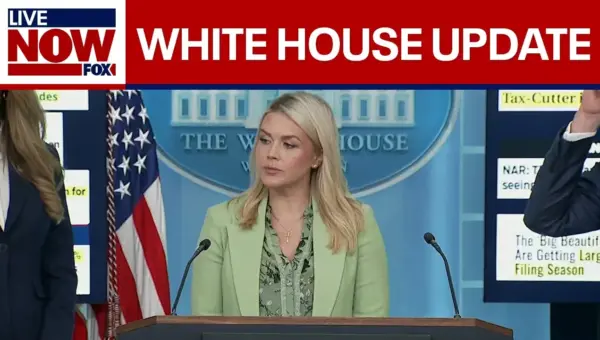
Trump Tax Cuts Deliver Billions Back to Americans
White House officials detailed the success of President Trump's "working families tax cuts" on Tax Day, reporting that over 53 million Americans have claimed significant tax savings and historic refunds. Treasury Secretary Scott Bessant and Small Business Administrator Kelly Leler highlighted benefits for individuals and small businesses, while also addressing economic outlook and international matters.

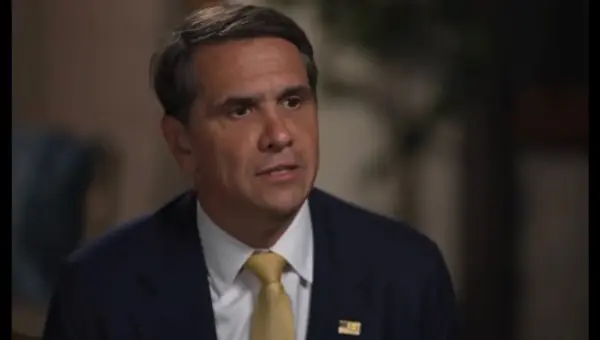
AG’s Shocking Defense: Trump’s DOJ is a ‘Good Thing’!
Acting Attorney General Todd Blanch's comments suggest the Department of Justice should openly serve the president's political agenda. This radical departure from tradition raises alarms about the politicization of justice and its impact on democracy.


Trump’s Economy Faces Recession Warnings Amid Global Fears
Global recession fears are intensifying as the IMF issues stark warnings, while a Harvard academic predicts a trillion-dollar taxpayer burden for the U.S. The Trump administration, however, continues to project optimism, creating a notable contrast with expert analyses. This divergence highlights critical questions about economic preparedness and the potential impact of global instability on American taxpayers.