Iran Crisis Ripples to China, Reshaping Global Power Dynamics
A significant U.S.-Israel strike in Iran is sending shockwaves to China's leadership, raising concerns about oil dependence and geopolitical alignments. The crisis, occurring just weeks before President Trump's visit to Beijing, could reshape U.S.-China calculations and serve as a warning to authoritarian powers.

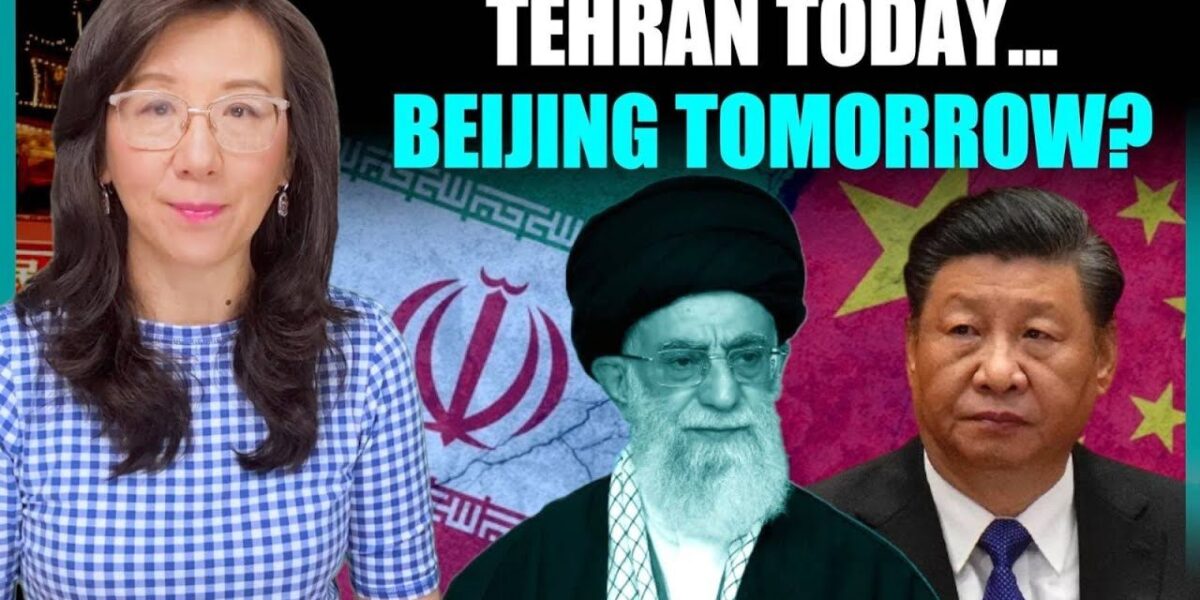
Iran’s Crisis Echoes in Beijing Ahead of Trump Visit
A significant U.S.-Israel strike against Iran, described as a “decapitation” event, is sending profound shockwaves far beyond the Middle East, reaching the highest echelons of power in Beijing’s Zhongnanhai leadership compound. The timing of this escalating crisis is particularly sensitive, occurring just weeks before a scheduled visit by U.S. President Trump to China. This geopolitical development carries substantial strategic implications, potentially reshaping calculations for both Washington and Beijing.
Economic Lifelines: China’s Oil Dependence on Iran
One of the most immediate concerns for China is its significant economic reliance on Iranian oil. The instability and potential disruption of supply lines stemming from the conflict could have a direct impact on China’s energy security and economic stability. Historically, China has been a major buyer of Iranian crude oil, and any disruption to this flow could force Beijing to seek alternative, potentially more expensive, sources, or face significant energy shortages.
The transcript highlights the strategic importance of this economic link. “From China’s oil dependence on Iran to broader geopolitical alignments with Russia, Tehran’s crisis could reshape U.S.–China calculations.” This suggests that the economic vulnerability tied to Iran is not an isolated issue but is intertwined with China’s larger foreign policy and economic strategies.
Geopolitical Realignment: China, Russia, and Iran’s Strategic Triangle
Beyond economic ties, the crisis in Iran has broader geopolitical ramifications for China, particularly concerning its relationship with Russia. Beijing and Moscow have increasingly aligned their foreign policies in recent years, often presenting a united front against perceived Western dominance. The turmoil in Iran could test this alignment, forcing China to navigate delicate diplomatic waters.
The strategic triangle involving China, Russia, and Iran has been a cornerstone of this evolving geopolitical landscape. Any significant shift in Iran’s stability or leadership could destabilize this dynamic, potentially creating opportunities or challenges for both Beijing and Moscow. China’s response to the crisis will be closely watched as an indicator of the strength and direction of its partnership with Russia.
A Warning to Authoritarian Regimes?
The transcript poses a critical question: “Is this just a regional conflict or a warning to authoritarian powers?” The nature of the U.S.-Israel strike, described with such stark language, could be interpreted by authoritarian regimes globally as a message about the vulnerability of their leadership and the potential consequences of actions deemed unacceptable by global powers. This psychological impact could influence decision-making within authoritarian governments, including China.
For China, which operates under an authoritarian system, the events in Iran might serve as a stark reminder of the potential for external pressure and internal destabilization. The leadership in Zhongnanhai will likely be analyzing the situation not just from a regional perspective but also through the lens of regime security and the broader global order.
Reshaping U.S.-China Calculations
The impending visit of President Trump to Beijing adds another layer of complexity to the situation. The crisis in Iran provides a new and significant factor that will undoubtedly influence the agenda and tone of the discussions between the two leaders. The U.S.-Israel strike could be seen as a demonstration of resolve or power projection, which China will have to consider in its diplomatic and strategic planning.
The transcript suggests that “Tehran’s crisis could reshape U.S.–China calculations.” This implies that the U.S. may leverage the situation to its advantage in its dealings with China, or conversely, China might use the crisis to exert its own influence or seek concessions. The complex interplay of economic dependencies, geopolitical alliances, and strategic messaging means that the fallout from the Iran crisis will be a prominent feature of U.S.-China relations in the coming months.
Broader Geopolitical and Psychological Impact
The “decapitation” of Iran, as described, signifies a major disruption with far-reaching consequences. The event challenges the established regional order and sends ripples through the global strategic community. The psychological impact on authoritarian leaders and the broader international community cannot be underestimated. It raises questions about the effectiveness of deterrence, the limits of state sovereignty, and the potential for escalation in an increasingly volatile world.
The analysis of the “strategic, economic, and psychological impact of Iran’s decapitation on global dynamics” underscores the gravity of the situation. It suggests that this is not merely a localized conflict but a pivotal event with the potential to alter the trajectory of international relations, influencing alliances, trade, and security paradigms for years to come.
Looking Ahead: China’s Strategic Response
As the world watches the unfolding crisis in Iran, attention will be keenly focused on Beijing’s response. China’s actions in the coming weeks and months will reveal much about its strategic priorities, its commitment to its alliances, and its approach to navigating a complex and increasingly unpredictable global environment. The impact of this event on the upcoming U.S.-China summit and the broader geopolitical landscape remains to be seen, but it is clear that the shockwaves from Iran are already reshaping global dynamics.
Source: Iran’s Decapitation Sends Shockwaves to Zhongnanhai (YouTube)

Related Articles
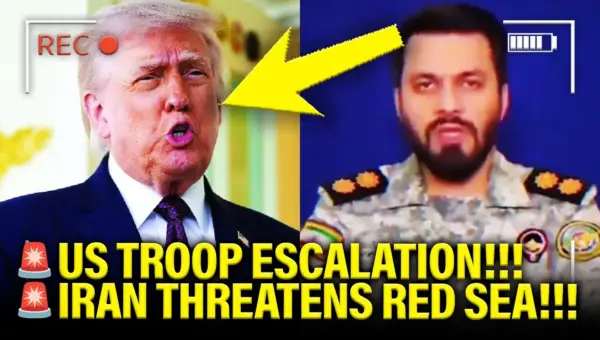
Trump’s Middle East Gambit: Escalation or Empty Threat?
The US is sending troops and imposing a blockade in the Middle East, signaling escalation. Yet, conflicting messages from Donald Trump suggest peace is near. This analysis explores the contradictory actions, Iran's defiant response, and the potential global economic and political fallout.

Oil Prices Surge to $91 Amid Geopolitical Tensions
Oil prices have surged to $91 a barrel, driven by disruptions in the Strait of Hormuz. This is leading to higher gas prices across the U.S., with California facing particularly steep costs. The situation is fueling debate on energy policy, exports, and the transition to renewable fuels.

China’s Iran Gambit: Deception or a New World Order?
President Trump claims China will stop sending weapons to Iran, but deep skepticism remains due to China's past support and use of spy satellites to aid Iran. This move could be a strategic ploy to weaken the US military.