Trump Orders Iran Strike From Mar-a-Lago Amid Nuclear Concerns
President Trump ordered overnight military strikes against Iran from his Mar-a-Lago residence, citing the nation's nuclear ambitions and ballistic missile program as an "intolerable risk." The decision followed weeks of direct negotiations and months of coordination with Israel. Congressional reaction has been sharply divided, with Democrats planning to challenge the President's war powers.

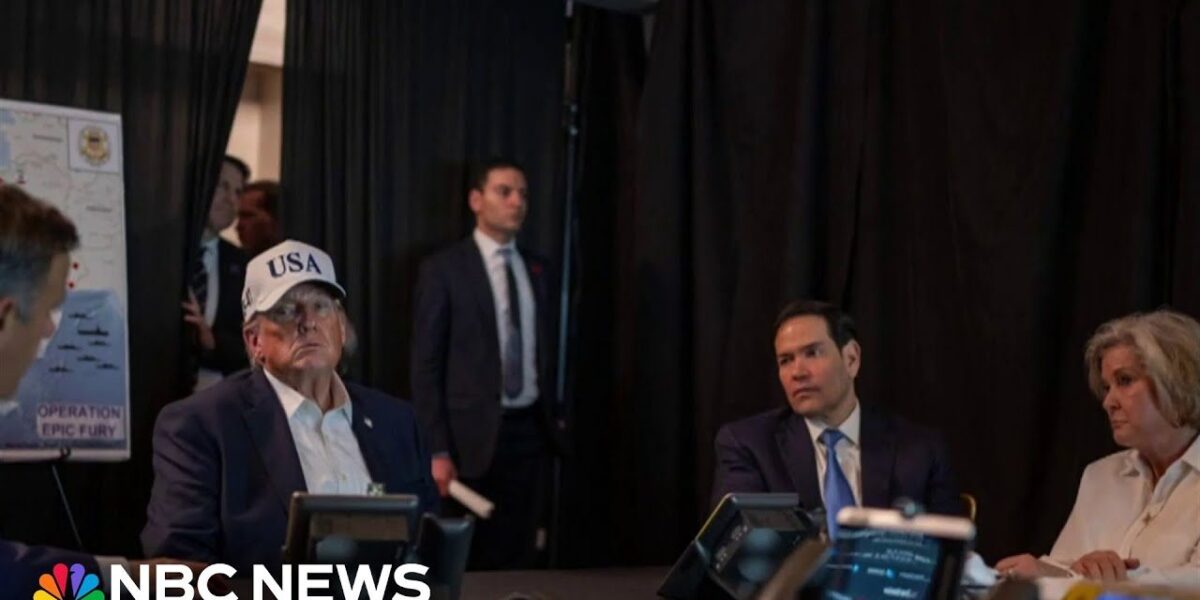
Trump Initiates Iran Strikes From Mar-a-Lago Residence
In a significant escalation of international tensions, President Donald Trump ordered overnight military strikes against Iran from his Mar-a-Lago residence in Florida. The decision, finalized after months of close coordination with Israel and weeks of direct negotiations with Iran, was announced early this morning. The President briefly attended a charity gala held in the Mar-a-Lago ballroom before convening with advisors in a makeshift command center to monitor the ongoing operations, as evidenced by White House photographs released to the public.
President Cites Iran’s Nuclear Ambitions and Missile Program
President Trump explained the rationale behind his decision in a video statement released at 2:30 AM. “They rejected every opportunity to renounce their nuclear ambitions, and we can’t take it anymore,” he stated. Senior administration officials elaborated on the White House’s assessment, indicating that Iran’s persistent efforts to reconstitute its nuclear program following previous strikes, coupled with its refusal to engage in discussions regarding its ballistic missile program, constituted an “intolerable risk to the U.S.” The administration’s calculus, according to these officials, suggested that a pre-emptive strike offered a strategic advantage by potentially minimizing U.S. and allied casualties compared to a reactive approach.
Shifting Stance on Strike Decision
The path to the strike order appeared fluid in the hours preceding the action. As President Trump traveled to a rally in Texas the previous day, he indicated that a final decision had not yet been made. “We haven’t made a final decision. We’re not exactly happy with the way they’re negotiating,” he told reporters when questioned about the proximity of a strike decision. When pressed further on the timing, he remarked, “I’d rather not tell you. You would have the greatest scoop in history, right?” He added, “And now we have a big decision to make. I’d rather do it the peaceful way. But they’re very difficult people.” This public ambivalence underscored the high stakes and complex deliberations involved in the final go-ahead.
Congressional Reaction Divided
The President’s decision has immediately drawn sharp criticism from Congressional Democrats, while Republicans have largely offered their support. Democrats have voiced strong opposition, with plans to force a vote next week aimed at restricting the President’s war powers. “We are spending billions of dollars on this operation and it’s not putting groceries on your table. It’s helping you buy a home. It’s not helping you send a kid to school. This is not what Americans want,” stated one Democratic representative, highlighting concerns about the financial burden and domestic priorities being overshadowed by military action. The impending War Powers Act votes signal a significant legislative challenge to the executive branch’s authority in initiating military engagements.
Future Implications and Congressional Oversight
The immediate focus in Washington is on the upcoming Congressional votes concerning the President’s use of force. While Democrats are determined to curtail future military actions against Iran through the War Powers Act, their efforts face staunch opposition from Republicans who have, thus far, maintained a unified front in defense of the President’s actions. The outcome of these votes could set a crucial precedent for executive authority in foreign military interventions and reflects the deep partisan divide on national security policy. The broader implications for regional stability and international relations remain a significant concern as the situation continues to develop.
Source: Inside President Trump’s decision to strike Iran (YouTube)

Related Articles

Trump’s Wild Claims Fuel GOP Chaos and Public Doubt
Donald Trump's recent erratic statements and Republican figures' defense strategies are causing political turmoil. Concerns over economic misrepresentation and the handling of the Jeffrey Epstein case are mounting, leading to a public demanding more accountability and truth.


Trump’s Allies Stumble, Exposing MAGA Movement’s Weaknesses
Recent events reveal cracks in the MAGA movement, from JD Vance's failed support for Viktor Orban in Hungary to disappointing Turn Point USA rallies. Trump's attacks on Pope Leo also alienate allies and expose strategic missteps. These challenges suggest a weakening of the movement's influence.

Trump’s “Malignant Narcissism” and Vance’s “Dark Emptiness”
Gerard Baker and Katy Balls discuss Donald Trump's "malignant narcissism" and JD Vance's perceived "dark emptiness." The conversation covers the US blockade of Iran, Vance's evolving role, and Trump's controversial "Jesus Christ" post, exploring its political implications and the nature of faith and authenticity in politics.