Democracy on High Alert: States Conduct Emergency Drills to Safeguard Elections Against Potential Interference
In an era of heightened political tension, Secretaries of State are conducting emergency table-top exercises to prepare for potential physical interference with election infrastructure, including scenarios involving former President Trump. These drills highlight the unprecedented threats facing American democracy, requiring comprehensive strategies to safeguard the integrity of the electoral process against both physical disruptions and broader challenges to democratic norms.


Democracy on High Alert: States Conduct Emergency Drills to Safeguard Elections Against Potential Interference
In an era marked by heightened political polarization and persistent challenges to democratic norms, election officials across the United States are undertaking unprecedented measures to fortify the integrity of the electoral process. Amidst growing concerns over potential disruptions, Secretaries of State are actively engaging in sophisticated table-top exercises, simulating various scenarios of interference, including the possibility of physical interventions targeting election infrastructure. These drills represent a stark acknowledgment of the evolving and complex threats facing American democracy, driven by a landscape reshaped by recent historical events and the continuous rhetoric questioning the legitimacy of electoral outcomes.
The urgency behind these preparations underscores a profound shift in the perception of election security. While cybersecurity threats and foreign interference have long been significant concerns, the focus has increasingly broadened to encompass domestic challenges, particularly those that could manifest as physical disruptions or attempts to subvert the process from within. Simon Rosenberg, a prominent political strategist, recently highlighted these critical efforts in a discussion with Allison, emphasizing the proactive stance state election administrators are taking to protect the foundational pillars of the nation’s democratic system.
The Unprecedented Threat Landscape to American Elections
The political climate in the United States has undergone a dramatic transformation, characterized by deep partisan divides, a pervasive spread of misinformation, and an erosion of trust in institutions. Following the intensely contested 2020 presidential election and the subsequent events of January 6, 2021, the vulnerabilities within the electoral system have been laid bare. Claims of widespread fraud, though unsubstantiated by numerous investigations and court rulings, have persisted, fostering a climate of suspicion and making election officials targets of harassment and threats.
This environment has compelled state and local election authorities to re-evaluate their security protocols comprehensively. The threats are no longer abstract or purely digital; they now include tangible risks to the physical infrastructure of voting, the safety of election workers, and the orderly conduct of post-election processes. The very act of voting, counting, and certifying results, once considered routine, is now viewed through a lens of potential vulnerability, demanding robust and innovative defensive strategies.
The mention of specific figures, such as former President Donald Trump, in the context of potential interference, reflects a particular concern derived from past behaviors and statements. While the transcript does not detail specific allegations, the public record of challenges to the 2020 election results, the pressure campaigns on state election officials, and the rhetoric leading up to the Capitol riot have created a precedent that cannot be ignored by those tasked with safeguarding future elections. This makes the current preparedness efforts not merely theoretical but a direct response to observed patterns of behavior and expressed intentions.
Secretaries of State: The Frontline Defenders of Democracy
At the heart of America’s electoral system are the Secretaries of State, who, in many states, serve as the chief election officials. Their responsibilities are vast, encompassing everything from voter registration and ballot design to overseeing polling places, managing voting equipment, and certifying election results. They are the ultimate custodians of the democratic process within their respective jurisdictions, tasked with ensuring fair, secure, and accessible elections.
The role of Secretaries of State has become increasingly challenging and politicized. Once largely administrative positions, they now find themselves on the front lines of partisan battles, facing immense pressure from all sides.
Their decisions regarding election procedures, equipment, and even the basic facts of election outcomes are scrutinized, debated, and often attacked. This intensified scrutiny, coupled with the rising threat landscape, places an enormous burden on these officials to maintain impartiality, uphold the rule of law, and protect the integrity of the vote.
The decision by these officials to conduct emergency table-top exercises is proof of their commitment to their constitutional duties and their recognition of the severity of the threats. It signifies a proactive, rather than reactive, approach to election security, acknowledging that prevention and preparedness are paramount. By simulating worst-case scenarios, they aim to identify potential weaknesses, develop robust response plans, and ensure that their staff and resources are adequately prepared for any eventuality.
Anatomy of a Table-Top Exercise: Simulating the Unthinkable
Table-top exercises are structured, facilitated discussions where participants walk through an incident scenario, often in an informal setting. Unlike full-scale drills that involve physical movement and resource deployment, table-top exercises focus on decision-making, communication, and coordination. For election security, these simulations are invaluable tools for anticipating challenges and refining response strategies without the high stakes of a real-world event.
In the context of preparing for potential election interference, these exercises might involve a range of hypothetical scenarios designed to stress-test existing protocols and identify gaps. These could include:
- Physical Disruptions at Polling Places: Simulating coordinated attempts to block access to polling sites, intimidate voters or poll workers, or create chaos that prevents the orderly casting of ballots.
- Targeted Threats to Election Workers: Role-playing scenarios where election officials or their families receive threats, leading to staff shortages or fear-driven resignations, and determining appropriate responses.
- Attempts to Tamper with Voting Equipment or Ballots: Simulating physical breaches of secure storage facilities, attempts to seize voting machines, or tampering with ballot boxes, and outlining security measures and chain-of-custody protocols.
- Obstruction of Vote Counting and Certification: Practicing responses to attempts by partisan actors or organized groups to disrupt ballot tabulation centers, challenge legitimate vote counts without basis, or exert pressure on officials to refuse certification of valid election results.
- Information Warfare and Disinformation Overload: Integrating scenarios where widespread false information about election procedures or outcomes leads to public unrest and demands for illegitimate actions, and strategizing communication responses.
The goal is not just to react to a threat but to understand its potential ripple effects across legal, logistical, and public relations domains. These exercises foster inter-agency cooperation, clarifying roles and responsibilities among state election officials, law enforcement, cybersecurity experts, and legal counsel. They also highlight the importance of clear, consistent communication with the public to counter misinformation and maintain confidence in the process.
The Shadow of 2020 and January 6th: Lessons Learned
The impetus for these intensified preparedness efforts is inextricably linked to the events surrounding the 2020 presidential election and its aftermath. The unprecedented attempts to overturn election results, including pressure on state election officials in Georgia and other swing states, and the ultimately violent assault on the U.S. Capitol on January 6, 2021, served as a stark wake-up call regarding the fragility of democratic institutions.
The lessons learned from this period are manifold. Firstly, the events demonstrated that challenges to election integrity could extend beyond traditional legal means to include direct pressure campaigns and even physical actions aimed at disrupting the peaceful transfer of power.
Secondly, they highlighted the vulnerability of election workers and officials to harassment and threats, necessitating enhanced protections and support systems. Thirdly, the ease with which disinformation could spread and incite action underscored the critical need for proactive communication strategies to counter false narratives.
These experiences have fundamentally altered the risk assessment for election administrators. What was once considered unthinkable – a direct, physical challenge to the electoral process by domestic actors – is now a tangible scenario for which states must prepare. The table-top exercises are a direct consequence of these lessons, aimed at preventing a recurrence of such destabilizing events and ensuring that the mechanisms of democracy remain resilient against all forms of assault.
Defining “Physical Interference” in the Electoral Context
When election officials speak of preparing for “physical interference,” they are referring to a spectrum of actions that go beyond legal challenges or online disinformation. This encompasses any direct, tangible action intended to disrupt, obstruct, or illegally alter the voting process or its outcomes. Understanding the various forms this could take is crucial for effective preparedness:
- Disruption at Polling Places: This could range from organized protests that block voter access, to acts of intimidation against voters or poll workers, or even attempts to physically damage polling equipment or facilities.
- Direct Threat to Election Personnel: This includes harassment, threats of violence, or actual assaults against election officials, poll workers, or volunteers, aimed at coercing them into taking specific actions or deterring them from their duties.
- Tampering with Election Materials: Attempts to physically seize, damage, or alter ballots, voting machines, ballot boxes, or other critical election infrastructure, either at polling places, storage facilities, or during transport.
- Interference with Tabulation and Certification: This might involve organized attempts to disrupt vote counting centers, prevent the timely tabulation of results, or physically pressure canvassing boards or certification committees to reject valid results or accept fraudulent ones.
- Unauthorized Access to Secure Locations: Any attempt to gain unauthorized physical access to secure areas where ballots are stored, counted, or voting machines are maintained, with the intent to manipulate the process.
Each of these scenarios presents unique challenges requiring specific protocols, coordination with law enforcement, and clear legal frameworks for response. The drills aim to ensure that officials are not caught off guard and can respond swiftly and lawfully to protect the integrity of the vote.
Beyond Physical Threats: Cybersecurity and Disinformation
While the immediate focus of these specific table-top exercises might be on physical interference, it is critical to acknowledge that election security is a multi-faceted challenge. Cybersecurity threats remain a persistent and evolving danger, with adversaries (both foreign and domestic) constantly seeking to breach voter registration databases, election management systems, or even voting machines themselves. States continue to invest heavily in robust cyber defenses, regular audits, and information-sharing partnerships with federal agencies like the Cybersecurity and Infrastructure Security Agency (CISA).
Equally pervasive is the threat of disinformation and misinformation. False narratives, spread through social media and other channels, can sow doubt about election outcomes, depress voter turnout, or incite violence. Election officials are increasingly tasked with not only securing the physical and digital infrastructure but also with actively combating these information threats through transparent communication, public education campaigns, and rapid response to debunk false claims.
Therefore, while the current drills highlight a specific and urgent concern regarding physical interference, they are part of a broader, holistic approach to election security that recognizes the interconnectedness of these different threat vectors. A breach in one area, be it physical, cyber, or informational, can have cascading effects on the others, highlighting the need for comprehensive and integrated preparedness strategies.
Safeguarding Democracy: Strategies for Resilience and Protection
To counter the complex threats to election security, states are implementing a range of strategies aimed at building resilience and protecting the democratic process. These efforts extend beyond the table-top exercises to encompass practical, legal, and operational measures:
- Enhanced Training for Election Workers: Providing comprehensive training for poll workers and election staff on de-escalation techniques, recognizing and reporting suspicious activity, and adhering to strict protocols for handling ballots and equipment.
- Physical Security Upgrades: Investing in improved physical security at polling places, ballot drop-off locations, and vote tabulation centers, including surveillance, access controls, and coordination with local law enforcement.
- Legal Preparedness and Rapid Response: Developing clear legal frameworks for addressing election challenges, establishing rapid response legal teams to counter baseless lawsuits, and ensuring election officials understand their legal authority and limitations.
- Strengthening Communication Channels: Establishing robust communication plans to disseminate accurate election information, counter misinformation swiftly, and maintain transparent engagement with the media and the public.
- Bipartisan Collaboration: Encouraging bipartisan efforts among state legislators and election officials to enact common-sense reforms that enhance security and build public trust, rather than politicize the process.
- Federal Support and Intelligence Sharing: Leveraging resources and intelligence from federal partners such as CISA, the FBI, and the Department of Justice to identify threats, share best practices, and coordinate responses.
- Post-Election Audits and Transparency: Implementing robust post-election audit procedures, including risk-limiting audits, to verify results and demonstrate the accuracy and integrity of the vote.
These strategies collectively aim to create a multi-layered defense against interference, ensuring that even if one layer is challenged, others remain strong enough to protect the fundamental right to vote and the accurate reflection of the public will.
The Imperative of Protecting Democratic Norms
The current preparedness efforts by Secretaries of State are not merely about securing individual elections; they are about safeguarding the very norms and institutions that underpin American democracy. The peaceful transfer of power, respect for election outcomes, and the non-partisan administration of elections are foundational principles that, once eroded, are incredibly difficult to restore.
When the legitimacy of elections is continuously questioned, or when the threat of physical interference looms, it undermines public confidence, deepens societal divisions, and creates an environment ripe for instability. The proactive steps being taken by election officials are therefore a critical defense against the further degradation of these democratic norms. They represent an assertion of the rule of law and a commitment to ensuring that the voice of the people, as expressed through the ballot box, remains paramount and unassailable.
The stakes extend beyond any single election cycle. The ability of the United States to model democratic governance, both domestically and internationally, depends on its capacity to conduct free, fair, and secure elections. The world watches as America grapples with these internal challenges, and the resilience demonstrated by its election systems will have far-reaching implications for the future of democratic ideals globally.
Conclusion: Vigilance in the Face of Evolving Threats
The decision by Secretaries of State to conduct emergency table-top exercises to prepare for potential physical interference in elections, including scenarios involving prominent political figures, marks a critical juncture in American election security. It signifies a profound understanding of the evolving threat landscape and a proactive commitment to protect the integrity of the democratic process.
These drills, coupled with a comprehensive array of security measures, legal preparedness, and communication strategies, are essential for strengthening resilience against both traditional and unprecedented challenges. As the nation navigates a period of intense political division, the vigilance and dedication of election officials serve as a vital bulwark against forces seeking to undermine the foundational principles of self-governance. The future of American democracy hinges on their ability to adapt, prepare, and steadfastly defend the sanctity of the vote against all forms of interference.
Source: LIVE: Trump Election Threat Triggers EMERGENCY DRILLS to STOP HIM (YouTube)

Related Articles
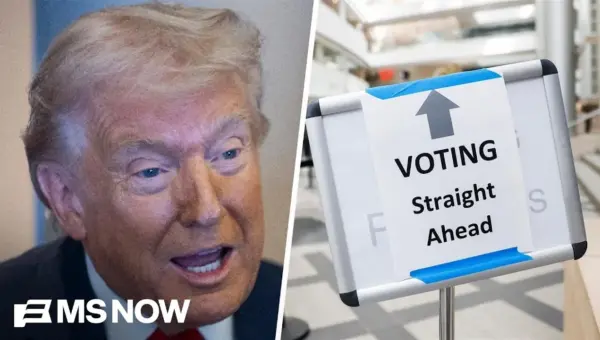
Trump Allies Infiltrate Election Security Ahead of Midterms
A ProPublica investigation reveals that individuals who promoted 2020 election denial are now in key federal roles, raising concerns about potential election interference. State officials are pushing back against federal attempts to influence election administration, citing constitutional rights. The report highlights a breakdown of guardrails that previously protected election integrity.

Senator Vance Accused of Hypocrisy on Election Interference Claims
Senator J.D. Vance faces accusations of hypocrisy for condemning foreign election interference while allegedly engaging in similar actions abroad. Critics point to his statements downplaying Russian interference and his meetings with controversial foreign leaders as contradictory.

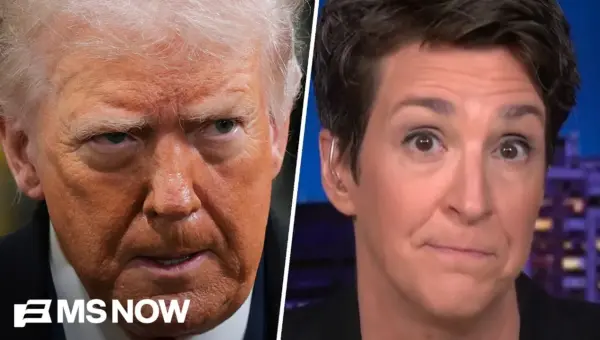
Senator Warns of Trump Plot to Seize Election Control
Senator Mark Warner has issued a dire warning about an alleged plot by Donald Trump to override U.S. elections. A draft executive order reportedly aims to declare a national emergency based on false claims of foreign interference. This move could grant sweeping presidential powers to control voting processes and override state authority.