MAGA’s Shift: From Isolationism to Neoconservative Foreign Policy
The MAGA movement, once a staunch advocate for "America First" isolationism, shows signs of adopting neoconservative foreign policy stances. Discussions now include potential interventions in the Middle East, shifting from an earlier rejection of foreign entanglements.


MAGA’s Foreign Policy Evolution: A Shift Towards Interventionism
The political landscape surrounding the “Make America Great Again” (MAGA) movement has undergone a significant, albeit perhaps subtle, transformation in its foreign policy approach over the past decade. Initially rooted in an “America First” ideology that championed non-interventionism and a sharp reduction in global engagement, the movement appears to be increasingly embracing tenets long associated with neoconservative foreign policy, marked by a greater willingness to engage in international conflicts and exert American influence abroad.
From “No New Wars” to Global Engagement
The early rhetoric of the MAGA movement, particularly during the Trump administration, strongly advocated for disengagement from foreign conflicts. This sentiment was palpable when addressing international crises, such as the Russian invasion of Ukraine. The prevailing attitude, as expressed in discussions, was a skepticism towards allocating American resources to overseas disputes, with a firm emphasis on domestic priorities.
Phrases like “We shouldn’t send money to Ukraine” and “America first and America only” encapsulated this isolationist stance. The idea that American dollars could effectively aid other nations was frequently questioned, reflecting a deep-seated desire to focus inward.
However, this isolationist posture began to show signs of evolving. While the initial promise of “no new wars” remained a talking point, instances arose where the administration signaled a willingness to engage more assertively on the global stage.
This included a readiness to intervene in regional disputes, such as in Venezuela, and a more confrontational approach towards other nations. Some observers noted a potential shift, suggesting a growing acceptance, at least within certain factions, of interventionism, perhaps initially confined to “just our hemisphere” or “the Western Hemisphere.” This gradual broadening of scope suggested a departure from the strict non-interventionist platform.
The Middle East: A New Frontier for Intervention?
The most striking illustration of this apparent policy pivot has emerged in discussions surrounding potential U.S. Involvement in the Middle East. As tensions rise and the prospect of conflict looms, the previous aversion to intervention seems to have diminished.
The transcript highlights a scenario where a hypothetical invasion of Iran is discussed, not with the outright rejection of intervention, but with a focus on the practicalities and consequences of such an action. The argument presented is that if such an invasion were to occur, the primary challenge would be the subsequent occupation, a long and arduous process involving extensive military presence and potential prolonged conflict.
“The big issue is the occupation. You can’t just coup the government of 90 million people, overthrow it, and then not occupy the country. You’ll have to occupy it for years and years and years.”
This perspective, while acknowledging the severe human cost and the difficulties of occupation, does not inherently reject the possibility of intervention. Instead, it digs into the strategic and logistical challenges, a line of reasoning that echoes the debates surrounding past U.S. Military engagements in the region, such as in Iraq and Afghanistan. The acknowledgment that “American troops are going to get killed and Iranians are going to die just like happened in Afghanistan or Iraq” suggests a recognition of the high stakes involved, but also implies a potential acceptance of these risks if intervention were deemed necessary.
Echoes of Neoconservatism
The shift observed within segments of the MAGA movement bears a striking resemblance to the core tenets of neoconservative foreign policy. Neoconservatism, which gained prominence in the early 2000s, advocates for an assertive, interventionist U.S. Foreign policy aimed at promoting democracy and American interests abroad, often through military means. Key characteristics include a belief in the U.S.’s unique role as a global power, a willingness to use military force preemptively, and a focus on regime change in adversarial states.
The willingness to contemplate military intervention in the Middle East, the discussion of regime change, and the focus on the strategic implications of occupation all align with traditional neoconservative thinking. This evolution suggests that the MAGA movement, once defined by its rejection of the foreign policy establishment, may be increasingly adopting the very doctrines it once criticized. The transcript notes this apparent convergence, stating, “The United States makes a lot of messes and now conservatives are clapping for” what appears to be a return to interventionist policies.
Broader Implications and Future Trajectory
This potential realignment within a significant political movement has considerable implications for American foreign policy and global stability. If the MAGA movement continues its drift towards neoconservative ideals, it could signal a renewed appetite for assertive U.S. Engagement in international affairs, potentially leading to increased military commitments and a more interventionist foreign policy. This could reshape alliances, influence global conflict dynamics, and alter the perception of American leadership on the world stage.
The transition from a staunchly isolationist stance to a more interventionist one, even if framed by different strategic considerations, raises questions about the long-term vision of this political bloc. It suggests a pragmatic adaptation to perceived geopolitical realities or perhaps an internal ideological evolution. The coming months and years will be crucial in determining whether this shift represents a temporary adjustment or a fundamental reorientation of MAGA’s foreign policy principles.
Looking Ahead
The evolving foreign policy stance of the MAGA movement warrants close observation. As geopolitical tensions persist and new global challenges emerge, the movement’s approach to international engagement will likely be tested. Whether this trend towards interventionism solidifies or faces internal resistance will be a key indicator of its future direction and its impact on American foreign policy decisions.
Source: MAGA Just Became The Neocons #politics #fyp #new @MicahErfan (YouTube)

Related Articles

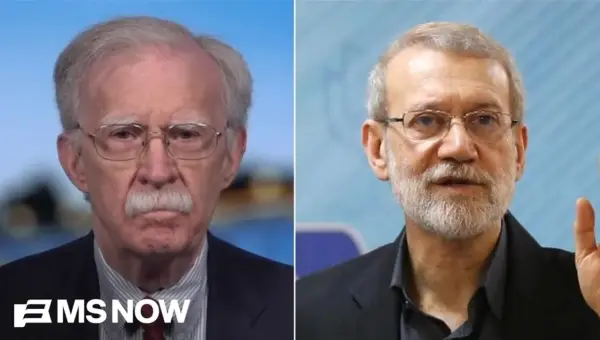
Bolton Slams Trump’s Iran Policy as ‘Snake-Like’
John Bolton, former National Security Advisor, has strongly criticized former President Trump's Iran policy as "snake-like" and lacking a clear strategy. Bolton stated that Trump's decisions were often impulsive, undermining U.S. credibility and creating instability in the Middle East. He called for a more consistent and strategically grounded approach to foreign policy.

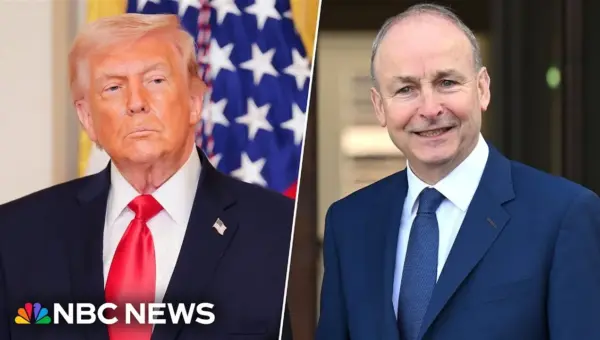
Trump Welcomes Irish Leader, Discusses Trade, Iran Tensions
President Trump welcomed Ireland's Taoiseach to the White House, discussing trade and the strong historical ties between the nations. The meeting also covered President Trump's views on Iran's military capabilities, his criticisms of NATO's support for U.S. initiatives, and upcoming foreign policy engagements.

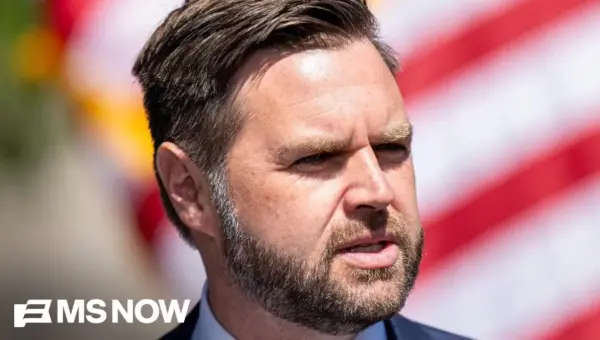
J.D. Vance’s ‘Humiliation Tour’ Hits Rock Bottom Amid Empty Event
Senator J.D. Vance experienced a significant public relations setback this week, highlighted by a poorly attended Turning Point USA event and criticism for his remarks about Pope Francis. The senator's recent political engagements appear to have backfired, raising questions about his standing.