Iran Red Crescent: Over 200 Killed in US-Israeli Strikes
Iran's Red Crescent reports over 200 killed and 700 wounded in recent US-Israeli strikes, including a devastating attack on a girls' school. Amidst internet shutdowns and conflicting reports on leadership casualties, experts weigh in on the potential for regime change, the effectiveness of military action, and the uncertain future of the region.

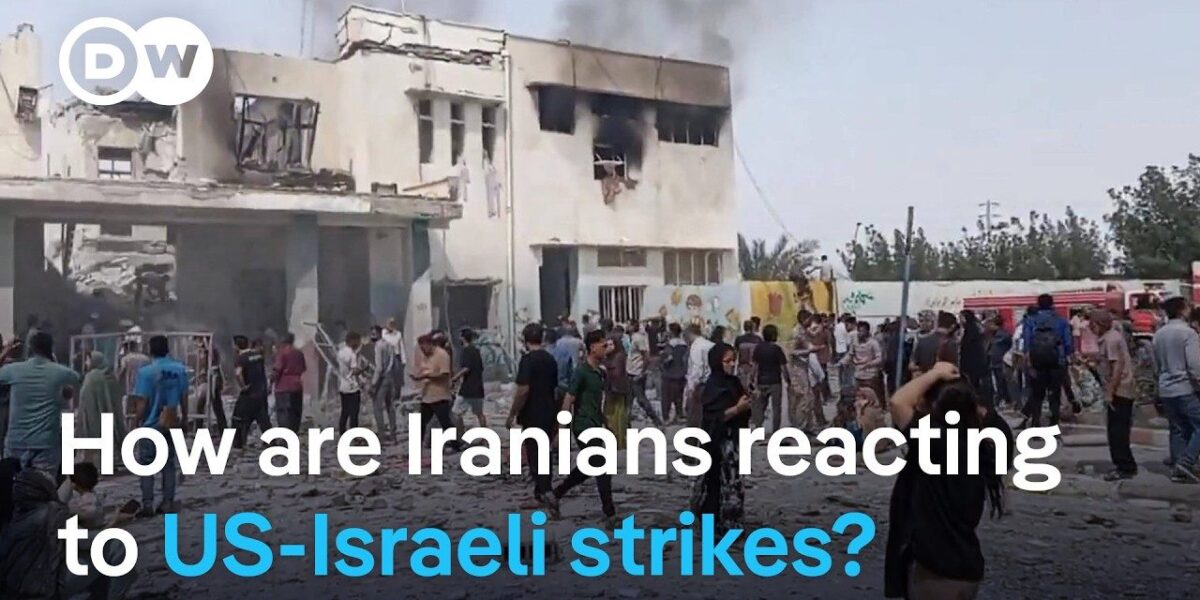
Iran’s Red Crescent has reported that over 200 people have been killed and more than 700 wounded in recent US-Israeli strikes across the country, marking the first official Iranian casualty figures from the air raids. Authorities state that 24 of Iran’s 31 provinces have been impacted.
Among the reported strikes, one hit a girls’ school in the south, resulting in at least 85 deaths and dozens of injuries. Iran’s foreign minister described the school bombing on social media as an act that occurred “in broad daylight when packed with young pupils.”
Mixed Reactions and Internet Shutdowns
Political scientist Dr. Ali Fat Nijad described a climate of mixed feelings within Iran, characterized by fear due to the ongoing conflict and a degree of satisfaction regarding the targeting of the regime. However, the Iranian state has implemented significant internet shutdowns, which Dr. Fat Nijad noted inhibits citizens’ ability to seek shelter and receive information from foreign media about potential targets. This tactic mirrors actions seen during a previous 12-day conflict between Iran, Israel, and the United States.
“I think there is a lot of mixed feelings uh in Iran. There is a lot of fear of course during the event of war and um there is also certainly some kind of shard and freder uh when it comes to uh Iran’s regime being uh targeted uh by the United States or Israel.” – Dr. Ali Fat Nijad
Regime Change Rhetoric and Strategic Ambiguity
The commentary from former US President Donald Trump, urging the Iranian people to overthrow their government, has been met with skepticism. Dr. Fat Nijad characterized such rhetoric as “cynical,” particularly in the “fog of war,” and questioned the endgame of US policy and the military strikes. The effectiveness of the internet shutdown in preventing potential public organization was also raised, with the argument that it primarily hinders citizens’ access to vital safety information.
Assessing Damage to the Iranian Regime
Details regarding the extent of damage to Iran’s leadership remain unclear. There are suggestions of a potential repetition of a “decapitation campaign” targeting senior political and military figures, with reports indicating that the office of Supreme Leader Ali Khamenei in Tehran may have been struck. However, the whereabouts of key leaders are unconfirmed.
Pre-Conflict Preparedness and Retaliation
Assessing Iran’s preparedness for the strikes is difficult. In comparison to the previous 12-day war, the current targets appear more widespread.
Iran’s retaliation has reportedly focused on US military presence and assets in several Gulf Cooperation Council countries. Mediated negotiations, particularly involving Oman, have been ongoing, but a significant gap persists between Iran and the United States on various issues, including Iran’s nuclear and ballistic missile programs, which are key concerns for Israel.
Civilian Casualties and International Law
The reported strike on a school, if confirmed, represents a clear violation of international law. However, experts caution vigilance, noting the possibility of psychological warfare and the relocation of military assets, such as the Islamic Revolutionary Guard Corps (IRGC) troops, to civilian areas like schools during conflict. Benham Taleblu, Senior Director of the Iran Program at the Foundation for Defense of Democracies, expressed skepticism regarding official Iranian casualty figures, citing the regime’s past actions, including the alleged killing of thousands of protesters under internet blackout conditions.
“Make no mistake, no military operation is clean no matter how parsimonious or precise American or Israeli war planners may think their munitions are. And yes, there probably will be civilian casualties.” – Benham Taleblu
Public Sentiment and Potential for Uprising
Images circulating on social media prior to internet outages reportedly showed signs of happiness among some Iranians regarding the strikes against the regime, fueled by the memory of the state’s violent suppression of recent protest movements. However, the potential for widespread internal opposition is contingent on the scale of civilian casualties and the targeting of key regime figures and infrastructure. Taleblu suggests that mass civilian casualties or a lack of significant damage to the regime’s command and control could lead the population to prioritize personal survival over direct confrontation.
Effectiveness of Aerial Bombardment for Regime Change
Experts question the efficacy of aerial bombardment alone in achieving regime change, citing historical examples like Yugoslavia. While some elements of the Iran situation, such as a capable military and a motivated populace, differ from other cases, the long-term success of a campaign hinges on a sustained, multi-level approach targeting Iran’s apparatus of repression, including law enforcement, the Basij paramilitary, and the IRGC. Such a campaign, experts suggest, could potentially inspire greater public confidence and encourage street-level opposition.
The Role of Diplomacy Amidst Escalation
Despite the ongoing military actions, Iran’s foreign minister has indicated an openness to negotiations with the US. However, the viability of diplomacy is debated, particularly following the January crackdown on protests. The US administration’s stated desire for diplomacy has been questioned, with critics suggesting a lack of a clear diplomatic off-ramp or a credible path to resolving the crisis of confidence.
Confirmed Casualties and Future Uncertainties
While the Iranian foreign minister stated that the Supreme Leader and President are safe, other sources confirm the deaths of senior figures, including the Secretary of Iran’s Supreme National Security Council, Alishar Khani, Iran’s Defense Minister Amir Nasirzadeh, and a senior IRGC commander, Muhammad Pakpur. The potential for further confirmations of targeted individuals remains. The scale and nature of Iran’s response, particularly its missile attacks on US bases in the Gulf, are being closely monitored, as is the capacity of the US and Israel to degrade Iran’s missile capabilities.
Potential Post-Regime Scenarios
The question of who or what might replace the Iranian regime in the event of its collapse is complex, with various scenarios possible. These range from the rise of more hardline elements to the potential emergence of pragmatic figures. The absence of Supreme Leader Khamenei could lead to infighting and a succession struggle.
However, the immediate absence of a well-organized opposition force capable of taking state institutions presents a significant challenge. The regional implications of a regime change would depend heavily on the direction of any new government, with a pro-Western, Israel-friendly administration being one possibility, while a more moderate, but not radically altered, foreign policy is another.
Looking Ahead
The coming days will be critical in determining the trajectory of the conflict. Key factors to watch include the sustained targeting strategy by the US and Israel, Iran’s retaliatory capabilities and responses, the extent of civilian casualties, and the potential for domestic unrest within Iran. The international community will be closely observing whether diplomacy can be revived amidst the escalating military actions and what form any future Iranian government might take.
Source: Iran's Red Crescent says over 200 killed in strikes | DW News (YouTube)

Related Articles

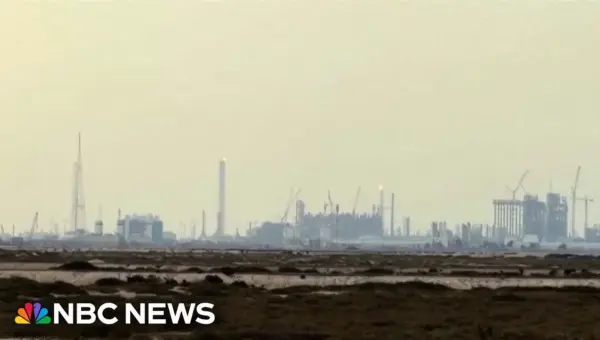
Oil Prices Spike After Attacks on Energy Sites
Oil prices surged this week following a wave of U.S. airstrikes in Iran and attacks on energy sites in Qatar. Vice President Vance called the price increases a 'temporary blip,' while intelligence briefings revealed disagreements over the immediacy of the threat from Iran. Military actions targeted missile facilities along the Strait of Hormuz.
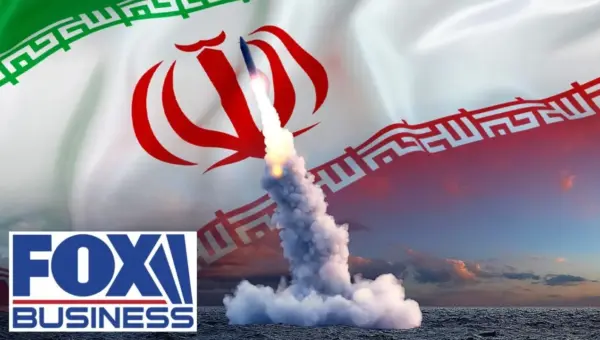
Iran’s Military Hit Hard, Analysts Debate Threat Level
Devastating strikes have crippled Iran's missile production and stockpiles, but a debate continues over the country's immediate threat level. Israel is intensifying targeted operations against Iranian leaders, while economic warfare targeting oil exports, like at Kharg Island, is being considered.


Fed Holds Rates Steady Amid Global Uncertainty, Inflation Fears
The Federal Reserve announced today it is holding interest rates steady for the second consecutive meeting. This decision comes amid rising global uncertainty, particularly due to the war in the Middle East and its impact on oil prices. The Fed also raised its inflation forecast, indicating expectations of higher consumer prices.