Dem Rep. Calls US Strikes on Iran ‘Iraq 2.0,’ Cites War Powers Concerns
Congressman Seth Moulton has declared U.S. strikes on Iran 'illegal' and 'unconstitutional,' likening the situation to 'Iraq 2.0.' He warns of risks to American troops, potential hostage situations, and the danger of empowering Iranian hardliners, arguing the current crisis is a self-inflicted wound from withdrawing from the Iran nuclear deal.

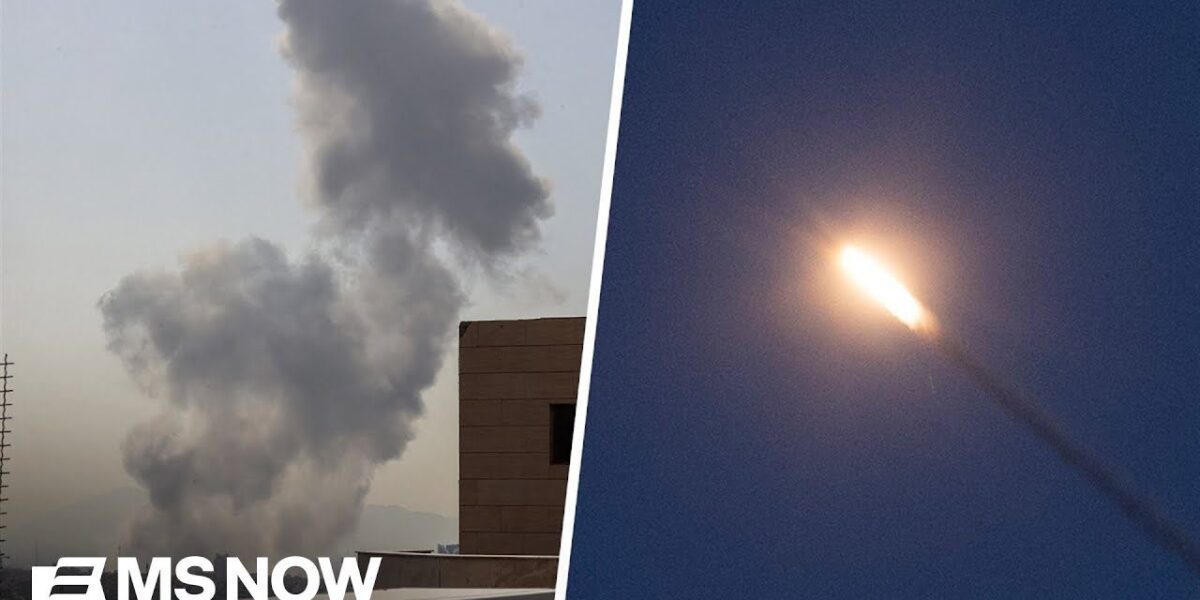
Congressman Moulton Slams Iran Strikes as Illegal, Unconstitutional
Massachusetts Congressman Seth Moulton, a member of the House Armed Services Committee and an Iraq War combat veteran, has strongly condemned the recent U.S. And Israeli strikes on Iran, labeling them as illegal and unconstitutional. Speaking on a news program, Moulton argued that President Trump’s administration pursued military action without the necessary congressional approval, a direct violation of the U.S. Constitution.
“No matter what kind of threat the Iranian regime is… It’s something that you have to come to Congress and the American people to authorize,” Moulton stated, emphasizing that the President “certainly didn’t consult Congress, and that is his constitutional duty to do that.” The Congressman highlighted that the only significant consultation appeared to be with Israeli Prime Minister Benjamin Netanyahu.
Echoes of Iraq: A Flawed Blueprint for Regime Change?
Moulton drew stark parallels between the current situation and the U.S. Invasion of Iraq in 2003, warning of “Iraq 2.0.” He identified two critical foundational errors made by the Bush administration: the war being based on false pretenses regarding nuclear weapons, and a complete lack of planning for the aftermath. “Well, that seems to be playing out right here because we obviously were lied to by the administration when Hegseth and Trump said that they obliterated Iran’s nuclear weapons. That’s pretty obviously the case since just months later now, we’re attacking those same facilities apparently,” Moulton observed.
He further criticized the absence of a clear post-strike plan, noting the administration’s apparent inability to define its objectives, questioning whether the goals were related to oil, nuclear weapons, or regime change. “I don’t think that there are many American parents who would say that their kids are worth losing their lives for Iranian oil,” he added.
Risks to U.S. Service Members and Hostage Concerns
The Congressman expressed grave concerns about the safety of U.S. Service members deployed in the Middle East, given the tens of thousands of American troops in the region and the retaliatory strikes Iran has reportedly launched on Israel and neighboring nations with U.S. Military bases. “There are tens of thousands of American missiles pointed at THOSE TROOPS AND THOSE CIVILIANS. AND IRAN’S REGIME RIGHT NOW WOULD WANT NOTHING MORE THAN TO KILL A BUNCH OF AMERICANS IN RESPONSE TO THESE ATTACKS,” Moulton declared.
He highlighted a particularly worrying scenario: the potential downing of U.S. Pilots over Iranian territory. “Iran has a long history of dealing with American hostages. We do not want to be in that position again,” he warned.
Moulton, drawing from his own experience as a former Tactical Recovery of Aircraft and Personnel (TRAP) platoon leader in Iraq, explained the perilous nature of such rescue missions. “If we have to put troops on the ground to rescue downed American pilots, it could be a recipe for a lot more trouble,” he cautioned, underscoring how such operations could easily escalate into a full-blown ground war.
The Peril of Unintended Consequences and Empowering Hardliners
Moulton also voiced apprehension about President Trump’s explicit call for Iranians to overthrow their government, suggesting it indicates a lack of a detailed plan for what follows. He worried that U.S. Intervention could inadvertently empower hardliners within Iran, leading to a worse regime than the current one. “The best way I know to empower hardliners is to attack the country, to prove them right that America’s the evil enemy,” Moulton explained.
He pointed out the existing popular support for America among the Iranian people, which he believes U.S. Military action is actively undermining. “So you want to find a way to turn them against America? We’ll start dropping a bunch of American bombs on their schools, on their capital city, on their downtowns.
And that’s exactly what we’re doing. So it doesn’t seem like the administration has thought this through at all,” he stated. While supportive of eventual regime change, Moulton argued against American troops being the instrument for it.
Undoing Diplomacy: A Self-Inflicted Worsening of the Situation
The Congressman argued that the current predicament is largely a self-inflicted wound stemming from President Trump’s decision to withdraw the U.S. From the Iran nuclear deal (JCPOA) in his first term. “The one thing the president has said that he wants is a diplomatic deal to prevent Iran from having a nuclear weapon. Well, he had that, Alex.
He had it and he tore it up in his first term,” Moulton recounted. He explained that by abandoning the deal, the U.S. Lost crucial oversight capabilities, including international inspectors and monitoring cameras at nuclear facilities. “And so we’re in a much worse position to actually keep tabs on what they’re doing, to actually understand the status of their program, to actually be able to intervene if they start breaking the deal that we had.
So all of this is, is a problem of Trump’s own making,” he concluded. Moulton questioned the rationale of risking American lives to achieve objectives that were previously managed through diplomacy, especially when the current administration dismantled the existing framework.
A Call for Congressional Authority and Diplomatic Solutions
Moulton’s remarks underscore a broader debate about the executive branch’s authority to engage in military conflict without explicit congressional authorization, as mandated by the War Powers Resolution. His comparison to the Iraq War is a stark warning against repeating historical mistakes, particularly regarding intelligence, planning, and the unintended consequences of foreign intervention.
The Congressman’s critique highlights the tension between presidential war-making powers and Congress’s constitutional role in declaring war. The situation raises critical questions about the long-term strategy, the potential for regional escalation, and the viability of achieving stated objectives through military means alone, especially when diplomatic avenues appear to have been deliberately dismantled.
Looking Ahead: Congressional Action and Regional Stability
Moving forward, the focus will likely remain on whether Congress will assert its oversight and war-making authority to challenge the administration’s actions in Iran. The potential for further escalation in the Middle East, the safety of U.S. Personnel, and the long-term implications for regional stability and Iran’s nuclear program will be critical areas to monitor. The administration’s ability to articulate a clear strategy and justify its military engagement to both Congress and the American public will be under intense scrutiny.
Source: Dem Rep.: U.S., Israel strikes on Iran is ‘Iraq 2.0’ (YouTube)

Related Articles

Senate Leaders Clash Over Funding, Iran War Powers
Senate leaders are locked in a dual battle over government funding and the war in Iran. Republicans are pushing for multi-year agency funding via reconciliation, while Democrats demand votes to limit presidential war powers, criticizing the Iran conflict as an 'epic failure' with rising costs and no clear strategy.

GOP Rep Slams ‘Insane’ Iran War Powers Resolution Idea
A New York Congressman has called a potential House Democratic plan for an Iran war powers resolution "insane." He argued it would weaken the U.S. and help Iran. The lawmaker also criticized the handling of the government shutdown and DHS funding.
Iran’s Regime Thrives on Chaos, Not Peace
Iran's government thrives on chaos, using conflict for survival. Experts describe the regime as a 'cacistocracy,' run by the incompetent. Despite internal dissent and international pressure, the regime's survival is bolstered by external support from minority Shia groups and a strategy of ruthless suppression.