Pitchers Lose Trust in Umps, Challenge Calls After Blown Strike Zone
A controversial strike zone call and subsequent review has pitchers questioning umpire accuracy, potentially leading to fewer challenges and a shift in in-game strategy. The incident highlights the ongoing debate around technology's role in baseball.

Umpire Blunder Sparks Pitcher Outrage: The End of Challenging Calls?
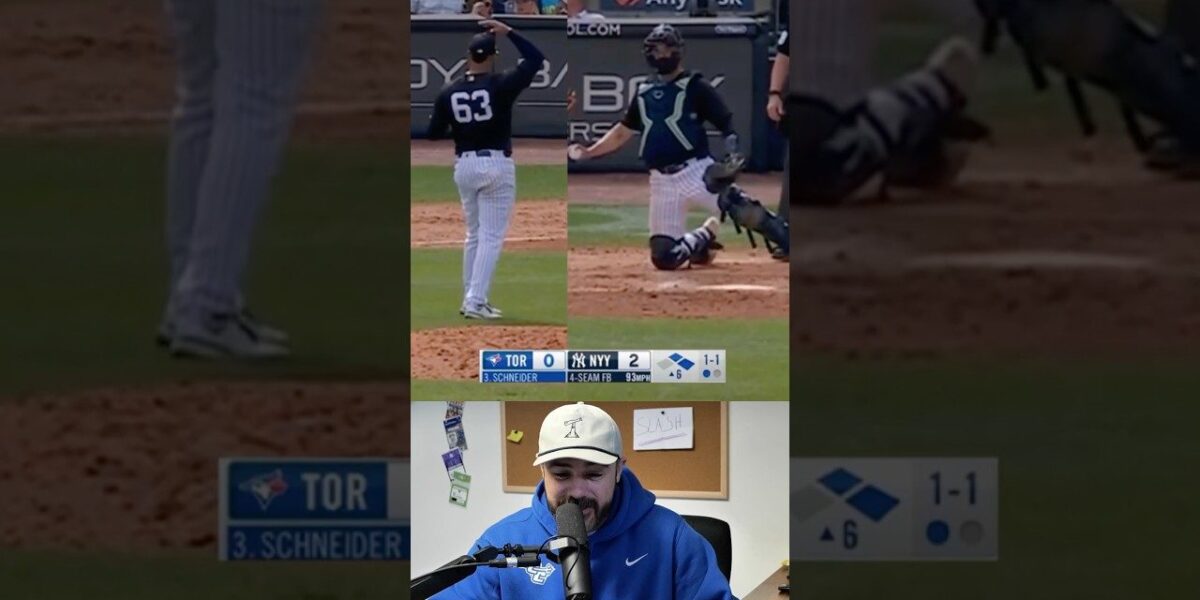
In a moment that could fundamentally alter the game, a controversial strike zone call has ignited a firestorm, leading to a dramatic challenge and a stark realization: pitchers are losing faith in the human element of umpiring. The incident, which saw pitcher Fernando Cruz throw a fastball on the outside edge, only to have it called a ball, has sent shockwaves through the league and prompted a bold prediction: we’re on the verge of seeing fewer and fewer pitchers daring to question the umpire’s judgment.
The Play That Changed Everything
The scene unfolded with Cruz delivering a pitch that, to his eyes and likely many observers, appeared to be a clear strike. He immediately signaled his disbelief, touching his head in a gesture of frustration. Catcher Austin Wells, positioned behind the plate, initially seemed to agree with the pitcher’s sentiment. However, as the debate ensued, Wells offered a seemingly more precise assessment, stating, “I think I have a better view. I think that was about approximately 2.8 inches outside.” This discrepancy, a mere 2.8 inches, proved to be the catalyst for a review.
Review Confirms the Blunder
The replay officials, tasked with dissecting the play frame by frame, ultimately confirmed what many suspected: the pitch was indeed a ball. The data revealed it was 2.8 inches off the plate, a margin that, while seemingly small, was enough to overturn the initial call. But the damage was done. The trust between pitcher and umpire had been visibly fractured in real-time.
The Pitcher’s Perspective vs. The Catcher’s View
The transcript highlights a crucial element of the controversy: the pitcher’s vantage point versus the catcher’s. “Look at the position and what his body is doing when that ball crosses the plate. That’s his vantage point. That’s what he’s trusting as a pitcher,” the commentary explains, emphasizing the pitcher’s perspective. In contrast, the analysis points to the catcher’s head as being “completely still,” suggesting it offers a superior, more stable view of the strike zone. This distinction is critical, as it underscores the inherent subjectivity and potential for error in human umpiring.
A Glimpse into the Future: Will Starters Be Pulled?
The implications of this single play extend far beyond this one at-bat. The commentary posits a stark future: “I think teams are going to quickly say, ‘Hey, starters, you’re out.’ Not allowed.” This bold statement suggests a potential shift in strategy where managers might become increasingly hesitant to allow their starting pitchers to engage in debates or challenges regarding balls and strikes. The risk of further perceived injustices, coupled with the time-consuming nature of reviews, could lead to a more cautious approach.
The Erosion of Trust and the Rise of Technology
This incident serves as a powerful illustration of the ongoing debate surrounding the role of technology in baseball. While automated ball-strike systems (ABS) are being tested and debated, human error remains a significant factor. When calls are this close, and the consequences of a blown call can impact the outcome of an inning, a game, or even a season, the pressure on umpires is immense. For pitchers, the feeling of being wronged on a pitch they felt confident about can be demoralizing.
What This Means for the Game
The immediate aftermath of this challenge and review is a heightened sense of skepticism among players. Pitchers, who rely on a consistent strike zone to execute their game plans, may find themselves second-guessing their approach. Will they be more inclined to pound the zone, even if it means leaving fewer pitches on the edges? Or will they become more reluctant to challenge close calls, knowing that a perceived strike could be turned into a ball?
Furthermore, this could lead to increased scrutiny of umpire performance. While the transcript doesn’t delve into specific statistics or standings, the underlying sentiment is clear: the perceived accuracy of calls is paramount. If pitchers and teams begin to feel that calls are consistently going against them, it could lead to a broader discussion about the standards for umpiring and the potential need for more robust review processes or even the adoption of ABS.
The future of challenging calls in baseball may be in jeopardy. As the sport grapples with the balance between tradition and innovation, moments like this serve as critical turning points. The question remains: will this be the catalyst for change, or simply another footnote in the long history of baseball’s human element?
Source: This is why pitchers won’t be challenging strike zone calls (YouTube)

Related Articles
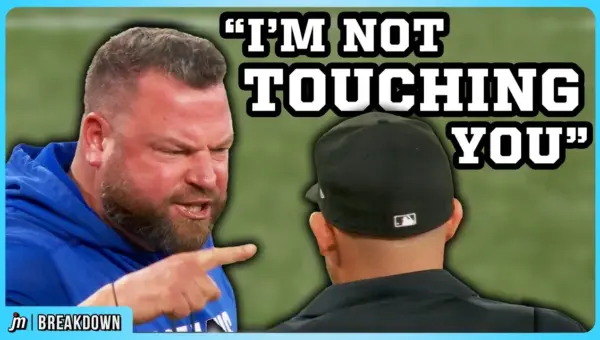
Schneider Ejected After Hitting Umpire in Face!
Toronto Blue Jays manager John Schneider was ejected after a heated argument over a balk call, which led to nose-to-brim contact with umpire Dan Bellino. The incident highlights the impact of new pitching rules and the intense scrutiny umpires face.
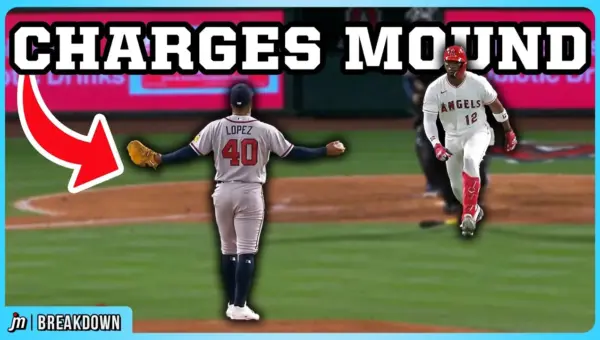
Brawl Erupts: Solair Charges Mound After Pitch Sparks Chaos
Jorge Solair charged the mound and a wild brawl ensued after pitcher Ronaldo Lopez hit him with a fastball. Both players were ejected, and later received seven-game suspensions, following the chaotic incident.


Umpire CB Bucknor’s Blunder Baffles Brewers, Rays
Umpire CB Bucknor's baffling call at first base, which he later questioned himself, led to a challenge and an overturned decision. The incident left players and coaches bewildered as the runner was clearly safe.