Congressman Crow: Working Class to Fund Trump’s Iran Conflict
Congressman Jason Crow, a combat veteran, criticizes President Trump's Iran policy, asserting that working-class Americans will bear the brunt of the conflict's costs. He highlights the lack of strategic clarity and congressional oversight in escalating military actions.

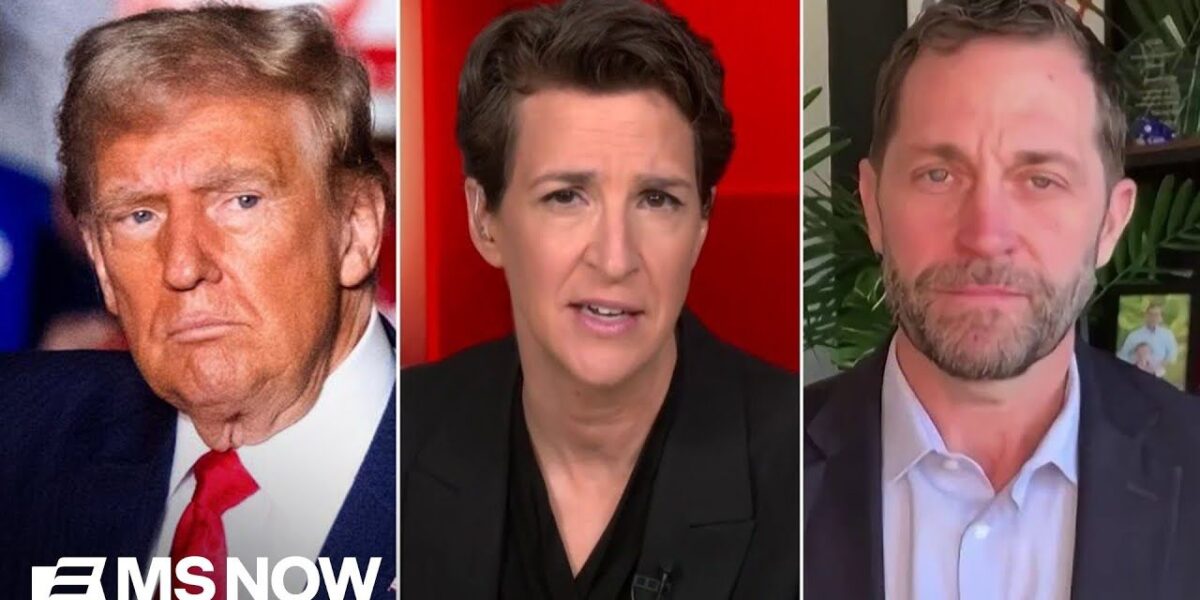
Crow Slams Trump’s Iran Stance: Working Class Will Pay the Price
Washington D.C. – U.S. Congressman Jason Crow, a veteran of the Iraq and Afghanistan wars and a member of the House Armed Services Committee, has sharply criticized President Donald Trump’s recent actions regarding Iran, stating that the president has “learned nothing from decades of endless war.” Crow asserts that the burden of this escalating conflict will disproportionately fall on the shoulders of working-class Americans, echoing sentiments of frustration over prolonged military engagements that he believes benefit elites while costing ordinary citizens dearly.
“Here We Go Again”: A Veteran’s Perspective on Endless Conflict
Speaking in response to the latest developments, Congressman Crow expressed dismay at the lack of congressional engagement and the manner in which such critical decisions are being communicated. “I learned about this when I woke up and opened up my phone and looked at Twitter, right?” Crow remarked, highlighting his concern over the executive branch’s unilateral approach to foreign policy and military action. He lamented the recurring pattern of U.S. Involvement in protracted conflicts, stating, “My statement I think captures the sentiment of tens of millions of working-class Americans who have seen 20 years of endless conflict, trillions of dollars spent, thousands of American lives.”
“You know who wins? The defense companies win, the oil companies win, the elites and the billionaires win, and the working class folks that I grew up with, that I went to war with, were left holding the bag.”
The Unaccountable Cost of War
Crow drew a stark contrast between the perceived beneficiaries of war and those who bear its ultimate cost. He pointedly questioned President Trump’s willingness to accept casualties, stating, “Really?
That’s a cost he’s willing to take? Because last time I checked, it wasn’t him or his KIDS OR HIS DONOR’S KIDS OR THE OTHER ELITES IN THE WHITE HOUSE THAT ARE HAVING TO JUMP INTO PLANES OR PICK UP RIFLES OR SITTING HERE IN MILITARY BASES AROUND THE MIDDLE EAST BEING BOMBED RIGHT NOW.” This sentiment underscores a deep-seated frustration with what many perceive as an inequitable distribution of risk and sacrifice in modern warfare.
Strategic Ambiguity and Unanswered Questions
A central theme of Crow’s critique is the persistent lack of strategic clarity surrounding U.S. Military interventions. He referenced the unresolved questions emerging from the Iraq and Afghanistan debacles, asking, “how does this end?
Strategically, do you understand how this ends, what the United States is both trying to do and whether what they’re doing gets us anywhere closer to those aims?” Crow noted that the rationale provided for current actions often shifts, citing inconsistencies in presidential statements regarding objectives, such as preventing nuclear proliferation, regime change, or addressing unspecified imminent threats. As a member of the Intelligence and Armed Services Committee, Crow stated he is “not aware of” any such imminent threat and that Congress has not been adequately briefed.
Restoring Congressional Accountability
The congressman emphasized the critical role of Congress in the decision-making process for military engagement, a role he believes has been diminished over the past two decades. “The reason why we went to war for 20 years in Iraq and Afghanistan is because we stopped taking votes on it. We stopped debating it,” Crow argued.
He highlighted the financial aspect, noting that the trillions spent were largely financed through debt, with insufficient accountability. He pointed out that less than two percent of the American population has served in the military, meaning the decision to go to war is often made without the direct experience or understanding of the majority.
Crow advocated for a return to robust congressional debate and voting on matters of war, suggesting that such a process would force elected officials to confront their constituents directly. “So that I have to go to a high school gymnasium.
I got to go to a I got to stand in front of my constituents in a war in Colorado and around this state. And I got to explain specifically why working class folks should send their sons and daughters and their money to fight this war or any other war for that matter.” This approach, he believes, aligns with the vision of the Founding Fathers, who intended for declarations of war to be difficult, deliberate decisions requiring broad accountability.
Looking Ahead: The Path Forward
Congressman Crow’s remarks serve as a stark warning about the potential consequences of unchecked executive authority in foreign policy and military affairs. As tensions with Iran continue to evolve, the focus will likely remain on the administration’s strategic objectives, the clarity of its communication, and the ultimate responsibility borne by the American people. The debate over congressional war powers and the need for greater transparency and accountability in decisions leading to conflict are critical issues that will continue to shape discussions in Washington and across the nation.
Source: Rep. Crow: Working class Americans will bear the burden of Trump's conflict with Iran (YouTube)

Related Articles

Trump Welcomes Irish Leader, Discusses Trade, Iran Tensions
President Trump welcomed Ireland's Taoiseach to the White House, discussing trade and the strong historical ties between the nations. The meeting also covered President Trump's views on Iran's military capabilities, his criticisms of NATO's support for U.S. initiatives, and upcoming foreign policy engagements.

Trump Reveals Congressman’s Terminal Diagnosis Amid Health Plea
Former President Donald Trump revealed that U.S. Representative Neal Dunn has a "terminal" heart condition. Trump stated he and Speaker Mike Johnson urged Dunn to stay in Congress despite the diagnosis. Dunn had previously announced he would not seek re-election, without specifying his health issues.

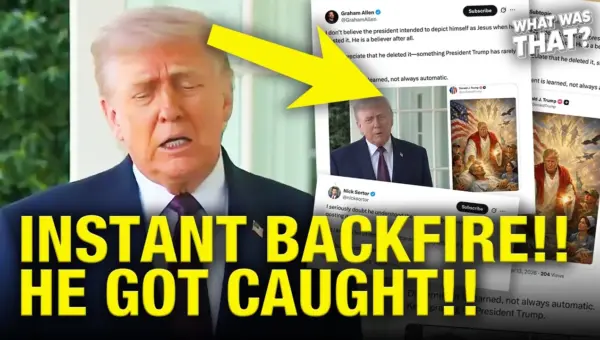
Trump’s Jesus Image Backfires, Sparking Outrage
Donald Trump's AI-generated image of himself as Jesus Christ has backfired, drawing widespread criticism and accusations of blasphemy. His shifting explanations and ongoing feud with Pope Francis have further fueled the controversy, potentially alienating key voter groups.