Middle East on Edge: Iran Strikes Spark Global Concern
Iran's retaliatory strikes across the Gulf and Jordan have plunged the Middle East into crisis, triggering widespread flight cancellations and raising global alarm. While some nations express caution, others voice concerns over international law and the escalating risk of a broader conflict. The situation highlights deep geopolitical divisions and the uncertain path towards regional stability.

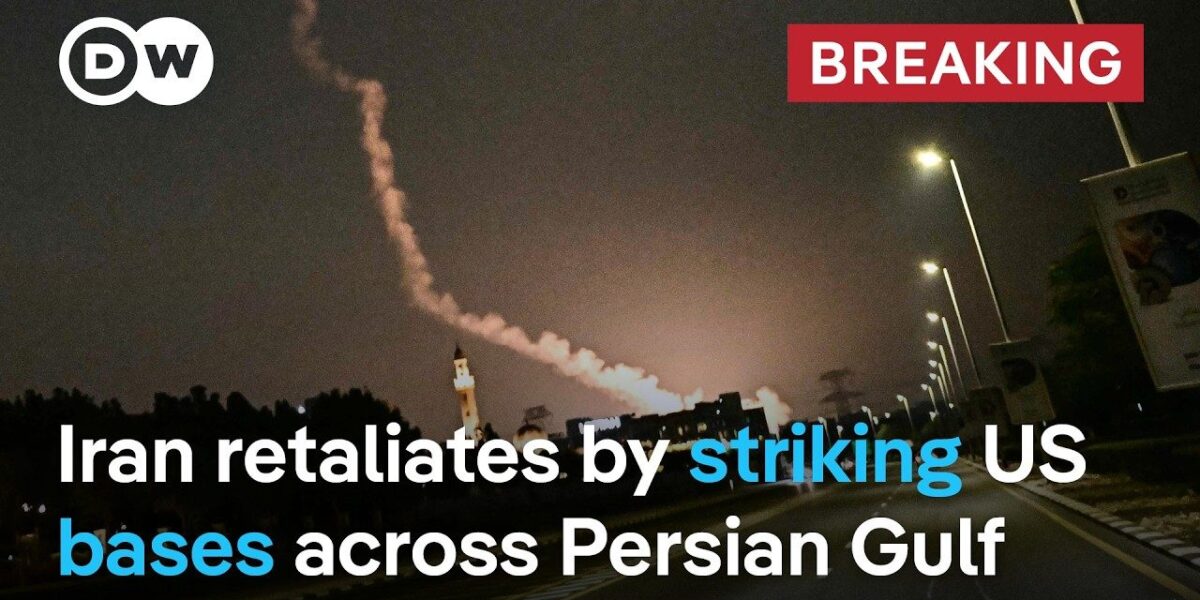
Middle East on Edge: Iran Strikes Spark Global Concern
Waves of missiles and drones have targeted multiple Gulf nations and Jordan as Iran launched retaliatory strikes, escalating tensions across the region. The attacks, which Iran claims are aimed at American bases, have led to widespread flight cancellations and airspace closures, throwing the usually bustling Middle East into a state of heightened alert. Journalist Emily Gordine reported from Dubai on the ground, describing scenes of drone sightings and audible interceptions, with a hotel on the Palm Jumeirah reportedly hit.
Dubai Faces Unprecedented Threat
In Dubai, the sight of drones near the iconic Burj Khalifa and reports of strikes on civilian infrastructure, including a hotel, have shattered the city’s image as an exceptionally safe haven. “The atmosphere in Dubai is understandably very tense,” Gordine stated. “People have been all day trying to go about their days as much as possible. Also in the light of the fact that the city is not made… provide shelters. It is not built with a shelter infrastructure.” This lack of public shelter infrastructure leaves residents and tourists with limited options beyond staying indoors and hoping for the best. Gordine noted that while Emirati air defenses, with American support, have been largely successful in fending off attacks, the psychological impact on a city unaccustomed to such threats is significant.
Global Leaders Express Caution and Concern
Governments worldwide are grappling with the escalating situation. In Germany, Chancellor Olaf Scholz has engaged in crisis talks and phone calls with international leaders. The German government issued a carefully worded statement that was critical of Iran’s nuclear and ballistic missile programs but stopped short of explicitly endorsing the US-Israeli actions. “Between the lines there are some kind of gentle hints of concern,” explained DW’s Chief International Editor Richard Walker. “For instance, Sweden may calling for a resumption of negotiations saying that that would contribute to you know lowering the risks for the region.”
Navigating International Law and European Dilemmas
The cautious approach by European nations highlights a complex dilemma regarding international law and their geopolitical positioning. Walker elaborated, “Most European governments would probably look at this and think, okay, well, this does not square with international law. You know, it does not have UN Security Council backing…” The absence of UN Security Council backing and the characterization of the strikes as potentially not falling under self-defense raises questions about adherence to international norms, especially for countries like Germany, which consistently emphasize the importance of international law. This creates a potential for accusations of double standards, particularly in light of Europe’s strong stance against Russia’s invasion of Ukraine.
French President Macron’s Firmer Stance
While many European leaders adopted a more measured tone, French President Emmanuel Macron took a slightly bolder stance, warning of “grave consequences” and indicating that France would raise the issue at the UN Security Council. This divergence underscores the varying levels of perceived risk and strategic interest among European powers.
US Strategy and Regime Change Ambitions
The timing of the US and Israeli actions is particularly noteworthy, occurring amidst a significant military buildup in the region and ongoing, albeit indirect, negotiations with Iran. Richard Walker suggested that the operation appears to be a “war of choice” rather than a response to an imminent threat. He pointed to the protests earlier in the year and a perceived opportunity due to Iran’s perceived weakened state. “The United States and Israel want to create a different military situation on the ground,” suggested Ben Shell, Head of the Middle East and North Africa division at the Hinrich Foundation.
Trump’s Bold Rhetoric and Legacy Building
Donald Trump’s public statements revealed a multifaceted set of goals, including dismantling ballistic missile capabilities and hindering the nuclear program. However, the most striking element was a clear call for regime change. “He says, ‘Lay down your arms or face certain death to the to the Iranian military.’ And he says to the Iranian people, ‘When we are finished with this, take over your government.’ You know, this is your chance to seize control,” Walker noted, comparing this rhetoric to the neo-conservatism that underpinned the Iraq War. Unlike the “break it, you own it” approach of the Bush administration, Trump’s strategy appears to be “we break it, you own it,” placing the onus on the Iranian people to overthrow their government, a move that raises concerns about potential civil war.
Regional Instability and Diplomatic Impasse
Experts express deep concern about the potential for wider conflict. “I think at least we can say that this might be the first step into a larger escalation,” stated Ben Shell. The effectiveness of diplomatic efforts to de-escalate the situation is uncertain, especially given that the strikes occurred just as promising news emerged about Iran’s willingness to halt nuclear activities. Shell questioned the ability of mediation to succeed when the US and Israel appear intent on altering the military landscape first.
Uncertainty Over Iran’s Future
The ramifications of a potential Iranian government collapse are immense and depend heavily on the outcome. Shell noted that despite widespread protests, the regime’s apparatus remains largely intact, suggesting that an internal power struggle within the existing regime is a more likely scenario than a swift transition to a democratic opposition. The ultimate success of the US and Israeli goals—regime change and the permanent shutdown of Iran’s nuclear and ballistic missile programs—remains highly uncertain, potentially leading to a prolonged period of simmering conflict and regional destabilization.
Looking Ahead
As the situation unfolds, global attention will be fixed on the response from Tehran, the reactions of other regional powers, and the ongoing diplomatic efforts, or lack thereof, to prevent a full-blown conflagration. The coming days will be critical in determining whether this marks a contained escalation or the beginning of a broader, more devastating conflict. The effectiveness of international law and the willingness of global powers to uphold it in the face of such events will also be under intense scrutiny.
Source: How are Gulf and Western leaders responding to US-Israeli attacks on Iran? | DW News (YouTube)

Related Articles

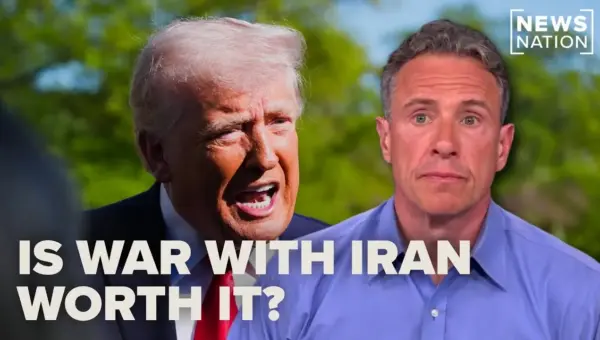
Iran War Costs Mount, Deal Prospects Dim
The war in Iran is costing the U.S. billions daily, impacting inflation and healthcare costs. While military gains are noted, concerns remain about Iran's nuclear ambitions and the lack of a clear diplomatic path. A "grand bargain" is sought, but the economic and human costs at home are rising.

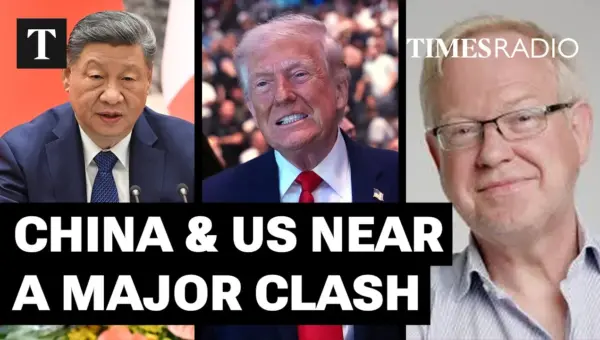
China-US Tensions Flare: Blockade Risk Sparks Superpower War Fears
The U.S. blockade in the Strait of Hormuz has intensified tensions with China, raising fears of a potential superpower conflict. Expert Roger Boyes highlights China's use of a "shadow fleet" and military support for Iran, while President Trump attempts a delicate diplomatic approach ahead of a key meeting with President Xi Jinping.
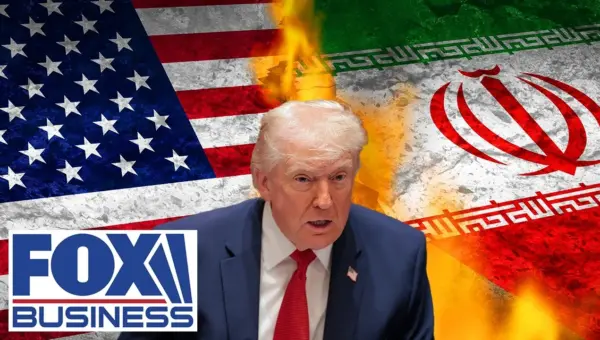
Trump Sees Iran Conflict Near End, Analysts Urge Caution
President Trump believes the conflict in Iran is "very close to over," but former advisor Keith Kellogg urges a cautious approach. The potential de-escalation could impact global markets, particularly oil prices. Investors should monitor the specifics of any resolution and its long-term implications for regional stability.