US Strikes Iran: A Risky Gamble for Regime Change?
The United States has launched strikes inside Iran, with President Trump calling on the Iranian people to overthrow their regime. This aggressive strategy, however, faces significant questions regarding its feasibility, potential for chaos, and the justifications for an imminent threat.

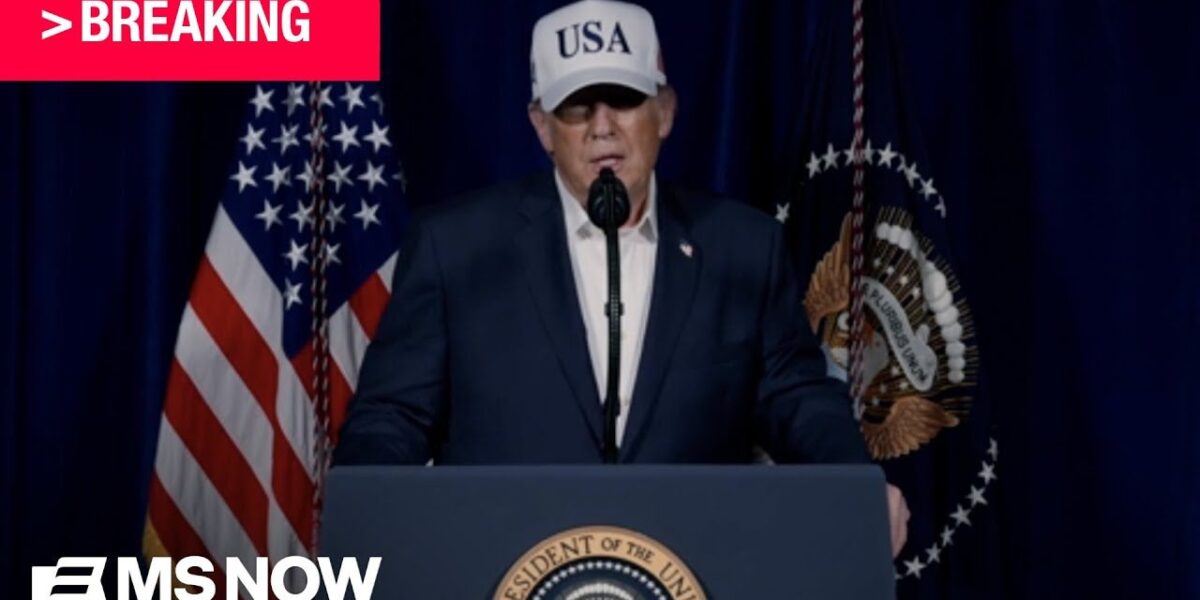
US Launches Strikes Inside Iran Amid Escalating Tensions
In a significant escalation of geopolitical tensions, the United States has launched strikes inside Iran, a move described by President Trump as an effort to empower the Iranian people to overthrow their current regime. This aggressive new military strategy, detailed by journalists David Rode and Alex Ward, raises critical questions about its feasibility, potential consequences, and the underlying justifications.
A Direct Appeal to the Iranian People
President Trump, in a direct address to the citizens of Iran, declared, “This is your moment to take over. We are doing this for you. I’m the first American president to do this for you.” This statement signals a departure from traditional foreign policy, directly encouraging internal dissent and regime change. Rode and Ward discussed the realism of this appeal, acknowledging the deep-seated frustration among the Iranian populace with their government, which they describe as corrupt and heavily influenced by the Islamic Revolutionary Guard Corps (IRGC).
The Iranian people are incredibly frustrated with this regime. It’s very corrupt. The Iranian Revolutionary Guard controls a lot of the economy.
The transcript references past protests, such as those sparked by the death of a young woman in police custody after being arrested for an alleged hijab violation, which saw tens of thousands take to the streets. However, the clarity and timing of the President’s instructions for the Iranian people to “seize the government” remain unclear, raising concerns about potential chaos and violent suppression by regime elements.
Intelligence and Coordination Concerns
The effectiveness and safety of such a move hinge on robust intelligence and coordination. Israel, with its sophisticated intelligence networks like the Quds Force, has a history of targeted operations within Iran, including assassinations of nuclear scientists and IRGC commanders. The Central Intelligence Agency (CIA) has also recently posted information guiding Iranians on how to contact the agency. Rode expressed hope for “coordination and planning,” warning that a lack of such could lead to “chaos and a bloodbath.” The question of an identified leader to potentially take over in the event of a successful uprising was also raised. While the son of the former Shah has presented himself as a potential interim leader with a plan and a team of experts, the transcript notes that many Iranians may not desire a return to monarchy, despite the sophistication of Iranian culture and Tehran’s status as an international city.
Risky Precedents and Geopolitical Comparisons
The approach is being likened to interventions in Venezuela and Iraq. However, the transcript highlights crucial differences. The Trump administration’s engagement in Venezuela did not result in toppling the regime, leaving Maduro’s vice president in power. In contrast, Iran’s population is three times the size of Venezuela’s, and its geography is twice as large, suggesting a significantly more complex and potentially more volatile undertaking. This makes the current strategy a “very, very aggressive and risky approach.”
Questioning the Imminent Threat Justification
Alex Ward delved into the President’s stated justifications for the strikes, which have included freeing the Iranian people and preventing the resumption of nuclear activities. Ward pointed out that public information does not strongly support the claim of an “immediate threat to the United States” from Iran. Regarding Iran’s nuclear program, while the transcript acknowledges that Iran has enriched uranium, it notes that evidence of them pursuing weapons-grade material or the capability to fit it into missiles for an intercontinental ballistic missile (ICBM) capable of reaching the US was, according to public intelligence, “multiple years away.” While acknowledging Iran’s history as an aggressive actor with regional proxies that have targeted Americans, the assertion of an imminent threat remains questionable based on available information.
Uncertainty and Future Implications
The multifaceted explanations for the strikes, coupled with the inherent risks and the lack of clear public evidence for an immediate threat, create a dangerous and uncertain path forward. The success of this strategy, if it can be called that, remains highly speculative, with the potential for significant regional instability and unforeseen humanitarian consequences. As the situation develops, the world will be watching closely to see how the Iranian people respond to the President’s call to action and whether this aggressive gamble will lead to the desired regime change or simply further entrench conflict.
Source: BREAKING: U.S. STRIKES IRAN (YouTube)

Related Articles
US Halts Iranian Trade: Peace Talks Loom Amidst Global Tensions
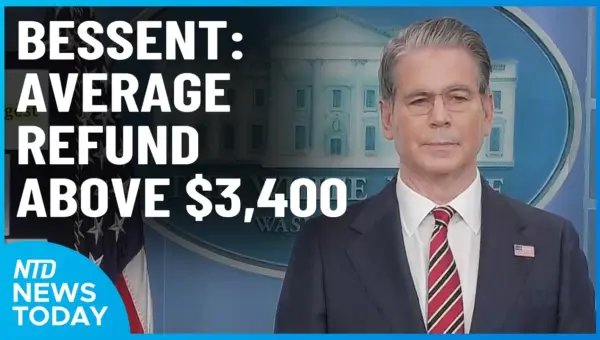
The U.S. has implemented a blockade on Iranian maritime trade, aiming to pressure the nation while simultaneously suggesting peace talks could be imminent. This move occurs alongside complex international relations, including China's involvement and ongoing regional conflicts. Domestically, the administration is highlighting significant tax refunds and economic relief measures for Americans and small businesses.
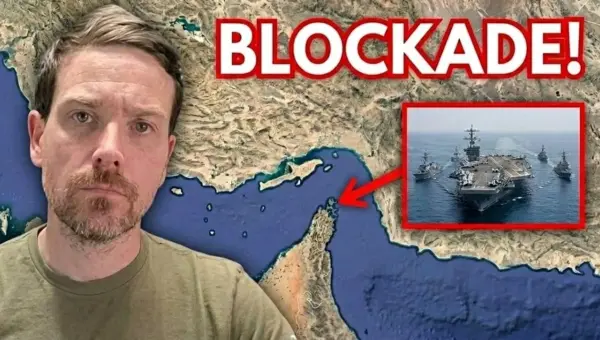
US Navy Blockade Tightens Grip on Iran’s Oil
The US Navy has imposed a strict blockade on Iranian ports, aiming to cripple the nation's oil exports and economy. With warships enforcing the closure, Iran faces significant financial pressure. The long-term effectiveness and potential for escalation remain key concerns.
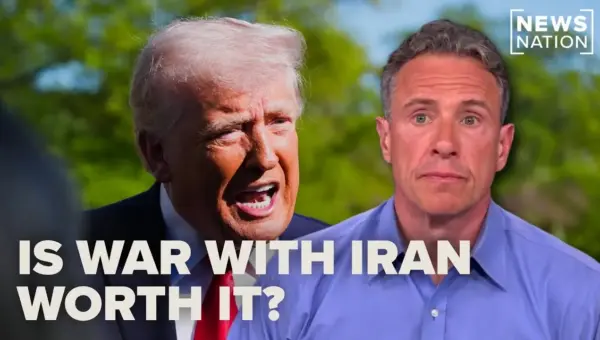
Iran War Costs Mount, Deal Prospects Dim
The war in Iran is costing the U.S. billions daily, impacting inflation and healthcare costs. While military gains are noted, concerns remain about Iran's nuclear ambitions and the lack of a clear diplomatic path. A "grand bargain" is sought, but the economic and human costs at home are rising.