Senator Coons Warns of Overextension Amidst Global Tensions
Senator Chris Coons has warned that the United States faces significant risks if it is perceived as overextended on the global stage. His remarks highlight concerns that multiple international commitments could embolden adversaries and compromise national security, particularly in the context of ongoing tensions involving Iran.

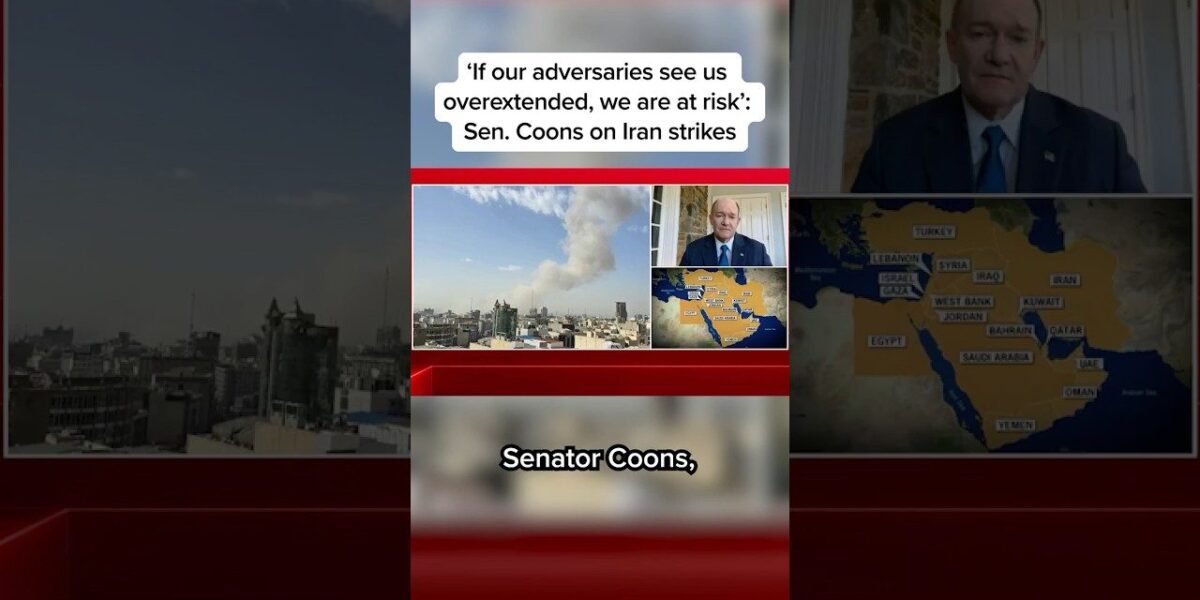
Senator Chris Coons Sounds Alarm on US Overextension Amidst Global Crises
Senator Chris Coons, a prominent voice on foreign policy and a member of the Senate Foreign Relations Committee, has issued a stark warning regarding the United States’ current strategic posture, emphasizing the risks associated with being perceived as overextended on the global stage. Speaking in a recent interview on MS NOW, Coons articulated concerns that a diffusion of American resources and attention across multiple international flashpoints could embolden adversaries and undermine national security.
The Peril of Perceived Weakness
Senator Coons highlighted a critical strategic vulnerability: the perception of being overextended. He stated, “If our adversaries see us overextended, we are at risk.” This sentiment underscores a core tenet of international relations theory, where a nation’s perceived strength and capacity are crucial deterrents against aggression. When a nation is involved in numerous conflicts or commitments simultaneously, it can appear to have finite resources and a stretched military, potentially inviting opportunistic challenges from rivals.
The Senator’s remarks come at a time of heightened global instability, with the United States engaged in complex diplomatic and military efforts in regions including Eastern Europe, the Middle East, and the Indo-Pacific. The ongoing conflict in Ukraine, the persistent threat from China, and the recent escalation of tensions involving Iran all demand significant attention and resources from the U.S. Foreign policy establishment.
Iran Strikes and Regional Instability
While the specific context of the interview was not fully detailed in the provided transcript excerpt, Senator Coons’ mention of “Iran strikes” suggests a discussion around recent or potential military actions involving Iran. The Middle East remains a volatile region, and any U.S. Involvement or reaction to Iranian actions carries significant implications for regional stability and American interests. The risk of miscalculation or escalation in this theater is a constant concern for policymakers.
“If our adversaries see us overextended, we are at risk.” – Senator Chris Coons
Coons’ warning implies that a U.S. Response to Iranian actions, or indeed any other global challenge, must be carefully calibrated. A response that is perceived as a sign of desperation or a stretch of U.S. Capabilities could, paradoxically, lead to further destabilization rather than a resolution. The goal, therefore, is to project strength and resolve without appearing over-committed, thereby maintaining a stable deterrent.
Broader Implications for US Foreign Policy
The Senator’s concerns extend beyond any single geopolitical event. They point to a broader strategic challenge for the United States: balancing its role as a global leader with the need to husband its resources and avoid unnecessary entanglements. The post-9/11 era saw the U.S. Engage in prolonged military interventions in Iraq and Afghanistan, commitments that were widely criticized for their immense financial and human costs, and for potentially diverting attention from other pressing global issues.
In the current geopolitical climate, characterized by the resurgence of great power competition, the strategic imperative for the U.S. Is to maintain credible deterrence across multiple domains while preserving the capacity to respond effectively to emerging threats. This requires a careful assessment of priorities, a judicious allocation of resources, and a clear-eyed understanding of the signals being sent to both allies and adversaries.
The Importance of Strategic Clarity and Prioritization
Senator Coons’ statement is a call for greater strategic clarity and prioritization within American foreign policy. It suggests that the U.S. Must be adept at discerning which commitments are essential to its national security and which might be counterproductive if they lead to overextension. This involves not only military readiness but also diplomatic engagement and the cultivation of strong alliances, which can help share the burden of maintaining global security.
The interview likely delved into specific examples or scenarios where this overextension might manifest, and how U.S. Adversaries, such as Russia, China, or Iran, might seek to exploit such perceived weaknesses. The challenge for the Biden administration, and future administrations, is to navigate these complex dynamics, ensuring that American power is projected effectively and sustainably, without becoming a liability.
Looking Ahead: Navigating a Complex Global Landscape
Senator Coons’ warning is a timely reminder of the delicate balancing act that defines contemporary U.S. Foreign policy. As the world continues to grapple with interconnected crises, the strategic decisions made in Washington will have far-reaching consequences. The coming months will be critical in observing how the United States addresses the challenge of maintaining its global standing while avoiding the pitfalls of overextension, particularly in light of ongoing developments in the Middle East and other strategic theaters.
Source: 'If our adversaries see us overextended, we are at risk': Sen. Coons on Iran strikes (YouTube)

Related Articles


Ossoff Presses Intelligence Chief on Iran Nuclear Threat Claims
Senator Jon Ossoff questioned a top intelligence official during a hearing about the White House's claim of an "imminent nuclear threat" from Iran. The official repeatedly avoided a direct yes or no answer, stating the President determines what constitutes an imminent threat. Ossoff argued that assessing threats is the intelligence community's core responsibility.


North Korea Eyes Iran Attack: A Nuclear Deterrent Boost
An attack on Iran may be reinforcing North Korea's belief that nuclear weapons are essential for its survival. The perceived failure of allies to fully support Iran, combined with South Korea's preemptive strike capabilities, strengthens Pyongyang's resolve to maintain its arsenal. This highlights the challenges in future denuclearization efforts.
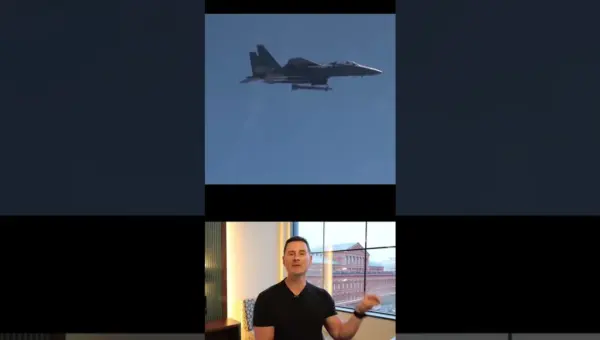
US Air Power Strikes Iranian Missile Sites
U.S. F-15E Strike Eagles deployed 5,000-pound GBU-72 bombs on hardened Iranian missile sites near the Strait of Hormuz. CENTCOM confirmed anti-ship threats were neutralized, securing vital oil shipping lanes. The strikes precede the arrival of 2,500 U.S. Marines, indicating preparatory battlefield actions.