US Strikes Iran: Trump Warns of Casualties Amidst Escalation
The United States has launched military strikes against Iran, with President Trump warning of potential American casualties. The unexpected swiftness of the attacks and the acknowledgment of potential fatalities mark a significant escalation, raising concerns about a prolonged regional conflict.

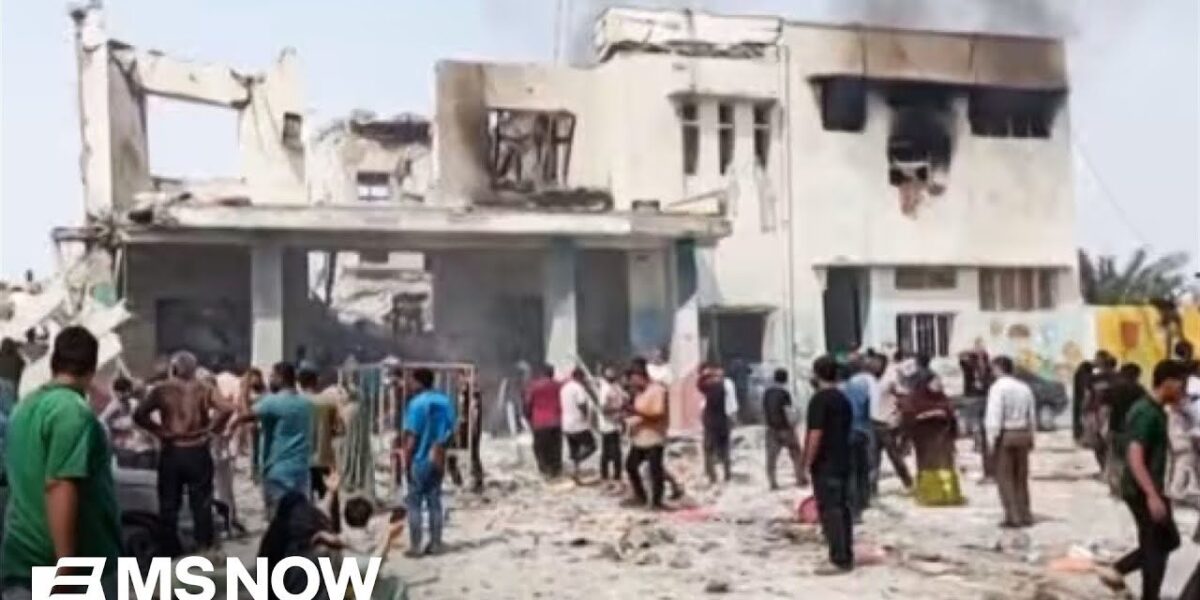
US Launches Strikes Against Iran, President Trump Warns of Potential American Casualties
In a significant escalation of regional tensions, the United States has launched military strikes against targets in Iran. President Donald Trump, in a late-night address, acknowledged the potential for American lives to be lost in the ongoing campaign, a stark departure from previous limited military actions. The strikes, which reportedly occurred sooner than anticipated by many observers, have sent ripples of concern through both domestic and international circles, raising questions about the potential for a prolonged and destabilizing conflict.
Oman’s Diplomatic Efforts Fall Short as Strikes Commence
Leading up to the strikes, there were indications of diplomatic efforts, particularly involving the Omani foreign minister, who appeared to be attempting to de-escalate the situation and prevent military action. Sources suggest the minister was actively trying to put a positive spin on ongoing negotiations, perhaps hoping to influence the outcome and avert an attack. However, these efforts seem to have been overshadowed by President Trump’s apparent decision, made prior to these diplomatic overtures, to proceed with military action. Trump expressed significant dissatisfaction with Iran’s handling of negotiations, a sentiment that appeared to solidify his resolve.
Element of Surprise: Strikes Arrive Sooner Than Expected
President Trump has a demonstrated preference for the element of surprise in military operations, a tactic previously observed in actions against Iran last summer and in Venezuela in early January. The recent strikes against Iran appear to align with this pattern, unfolding with a degree of swiftness that caught many off guard. This approach, while potentially advantageous militarily, has also led to a lack of extensive congressional consultation and minimal public engagement to justify the military action. President Trump notably made only a brief mention of the situation in his State of the Union address, leaving many Americans surprised by the renewed military engagement and the president’s candid warning about potential American casualties.
A New Threshold: Acknowledging Potential American Fatalities
A key and concerning development in this latest confrontation is President Trump’s explicit acknowledgment that American lives may be lost. This represents a significant shift from his administration’s previous approach to targeted strikes, where avoiding American fatalities was a paramount concern, both for the president and a segment of his political base. By preparing the nation for this possibility, Trump appears to be signaling a willingness to stake a considerable portion of his presidential legacy on the outcome of this campaign. Experts suggest this could redefine his presidency, especially if the conflict broadens into a protracted and destabilizing regional war.
“I think one of the most surprising things about this is not the attack because many people thought it might be a Venezuela-style attack, one and done. But the president preparing Americans for the loss of American lives in this campaign. That is something that I think even the president’s closest supporters didn’t think was going to happen.”
Expert Analysis: Iranian Public Sentiment and Regime Resilience
Kareem Sajipour, a senior fellow at the Carnegie Endowment for International Peace and an expert on Iran, provided critical insights into the potential domestic ramifications of the U.S. strikes. President Trump’s call for the Iranian people to take to the streets and challenge their government following the strikes raises complex questions. Sajipour highlighted the immense repressive capacity of the Iranian regime, including an estimated 150,000 Revolutionary Guardsmen and a similar number in the Basij militia. The regime’s current mentality is described as “kill or be killed,” suggesting a strong likelihood of brutal suppression of any internal dissent.
The Tehran School Bombing: An Early Tragedy
One of the immediate and tragic consequences reported from the conflict was the apparent inadvertent bombing of an elementary school in Tehran, resulting in an estimated 50 deaths, including children. This devastating event is seen as an early and grim illustration of the horrors of war for the Iranian populace. President Trump’s directive for Iranians to wait until the bombing ceases before rising up against their government is juxtaposed against the regime’s demonstrated willingness to use lethal force to maintain control, as evidenced by its actions against protesters in the preceding month.
Popular Support and Regime Longevity
Sajipour assessed the Iranian regime’s popular support as extremely low, estimating it at a maximum of 15-20%, with the vast majority of the population opposed. He described Iran as having one of the largest gaps between its government and its people globally. Despite this lack of popular legitimacy, the regime possesses significant advantages: it is heavily armed, well-organized, and ruthlessly willing to employ mass violence to preserve its power, particularly given its lack of a viable “Plan B” for its elite if it were to lose control.
Uncertain Future: Escalation and Regime Collapse?
The long-term implications of the U.S. strikes remain highly uncertain. Key questions revolve around potential follow-on actions by the United States and further Israeli military targets, including potential strikes on the compounds of Supreme Leader Ayatollah Khamenei. The potential death of Khamenei, who has ruled for 37 years, could either lead to increased internal cohesion or, conversely, signal the regime’s impending collapse, prompting a mass exodus of elites. It is clear, however, that President Trump’s objective is not to replicate the large-scale ground invasions seen in Afghanistan and Iraq, avoiding a direct U.S. troop commitment within Iran.
Looking Ahead: The Defining Conflict of Trump’s Presidency?
As the situation unfolds, the coming days and weeks will be critical in determining the trajectory of this conflict. The interplay between U.S. and potential Israeli military actions, the Iranian regime’s response, and the potential for internal uprising will shape regional stability. If the conflict escalates into a prolonged war, resulting in significant regional destabilization and American casualties, it could become the defining challenge of President Trump’s second term, potentially impacting his legacy in ways he and his advisors may not have anticipated.
Source: Elementary school struck by Israel: Iran state-run media reports (YouTube)

Related Articles
US Markets Surge as Iran Tensions Ease, Oil Prices Steady
U.S. stock markets are hitting new highs as tensions with Iran ease, with the S&P 500 reaching record levels. Despite persistent oil prices around $92 a barrel, the U.S. economy shows resilience, boosted by record oil exports. The focus is shifting to the economic confrontation with Iran, including the non-renewal of oil sales waivers, and long-term strategies to bypass the Strait of Hormuz.
Iran War Disliked, But Public Outrage Muted: Analysts Weigh In
Despite widespread disapproval of the Iran war, public protests remain muted in the US. Analysts cite fear of reprisal, the prolonged nature of anti-war movements, and America's energy independence as key factors. The conflict's economic impact and the lack of clear objectives continue to fuel public skepticism, though widespread suffering is not yet felt domestically.

Trump’s Blockade Fails, Allies Shun Mission: A Pattern?
A reported failure of Donald Trump's blockade of the Strait of Hormuz, with ships passing through unimpeded, raises questions about policy effectiveness. This incident, coupled with allies' reluctance to join the mission, suggests a pattern of unintended consequences and strained international relations.