Tel Aviv Air Raid Sirens Pierce Skies Amidst Retaliation
Air raid sirens blared across Tel Aviv as Iran launched retaliatory strikes, captured live on television. The dramatic escalation followed earlier U.S. and Israeli military actions, highlighting the region's volatile security landscape amidst reporting challenges from Iran due to an internet blackout.

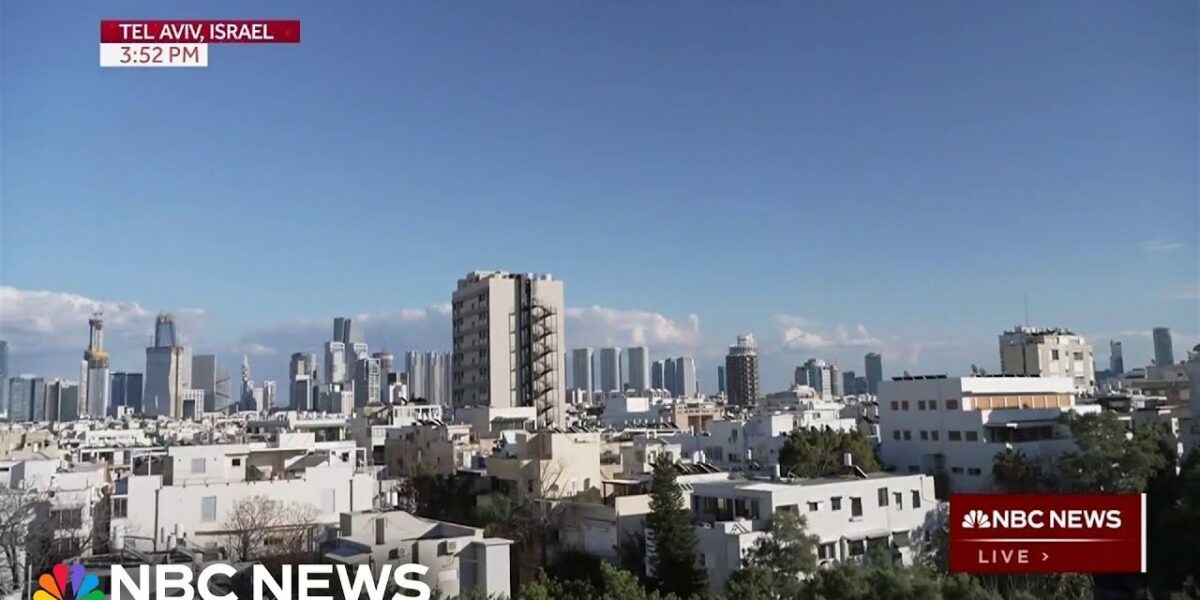
Sirens Wail in Tel Aviv as Iran Launches Retaliatory Strikes
Air raid sirens sounded across Tel Aviv on live television Tuesday, marking a dramatic escalation in the ongoing regional conflict. The alerts, which provided residents with a critical 60 to 90 seconds to seek shelter, were triggered by incoming strikes from Iran, reportedly in retaliation for earlier U.S. and Israeli military actions. The rapid succession of events unfolded within a six to seven-hour period, painting a tense picture for the Israeli populace and drawing global attention.
Live Broadcast Captures Moment of Alarm
Live broadcast footage showed the sirens piercing the air as cameras panned to the sky over Israel’s bustling coastal city. International news crews, including teams from NBC News with anchors Richard Engel and Matt Bradley on the ground, were present to document the unfolding situation. Despite the inherent dangers, camera teams worked to capture images for audiences worldwide, often utilizing the limited protection of nearby walls while reporting from a safe location. The sounds of the sirens, a stark reminder of the volatile security environment, were broadcast widely, underscoring the immediate threat faced by those in the affected areas.
Context of Escalation: Strikes and Counter-Strikes
The Iranian strikes represent a significant escalation, occurring in direct response to military actions taken by the United States and Israel earlier in the day. While the exact nature and targets of the initial U.S. and Israeli strikes were not detailed in the transcript, the retaliatory nature of Iran’s response is clear. The transcript noted that the Israeli authorities have not reported any casualties as of the time of the broadcast, but the situation remained fluid and under close observation.
Information Blackout in Iran Contrasts with Live Coverage
A stark contrast was highlighted regarding the flow of information from Iran compared to Israel. The transcript pointed out a near-total internet blackout within Iran, with only about 4% of the population reportedly having access to communication means to share their experiences. This information scarcity in Iran stood in sharp relief to the live, on-the-ground reporting from Tel Aviv, where international news organizations maintained a visible presence and provided real-time updates to a global audience. This disparity in information access underscores the challenges of independently verifying events within Iran during periods of heightened tension.
Israeli Defense Capabilities Under Scrutiny
The transcript briefly touched upon Israel’s efforts to ‘fend off incoming strikes.’ While specific details of the defensive measures were not elaborated upon, the mention implies the activation of Israel’s air defense systems. The ability of these systems to intercept and neutralize incoming threats is a critical component of Israel’s national security strategy, particularly in the face of sustained rocket and missile attacks from various regional adversaries. The success or failure of these defenses in mitigating the impact of the Iranian strikes would be a key factor in assessing the immediate consequences of the escalation.
Broader Implications and Regional Instability
The events in Tel Aviv are symptomatic of a broader pattern of increasing regional instability. The direct exchange of fire, even if retaliatory, between Iran and Israel, with the U.S. involved, raises concerns about a wider conflict. Such escalations can have far-reaching consequences, potentially drawing in other regional and international actors, disrupting global energy markets, and exacerbating humanitarian crises. The transcript’s focus on the live nature of the events and the efforts of journalists to report under challenging conditions underscores the gravity and immediacy of the situation.
Looking Ahead: Monitoring De-escalation Efforts
As the immediate threat of the sirens subsided, the focus shifts to monitoring the de-escalation efforts and the potential for further retaliation. The coming hours and days will be crucial in determining whether this exchange marks a contained incident or the beginning of a more prolonged and dangerous phase of conflict. International diplomatic channels are likely to be intensely active, seeking to prevent a wider conflagration while assessing the strategic implications of the recent strikes and counter-strikes.
Source: Air raid sirens sound across Tel Aviv on live TV (YouTube)

Related Articles
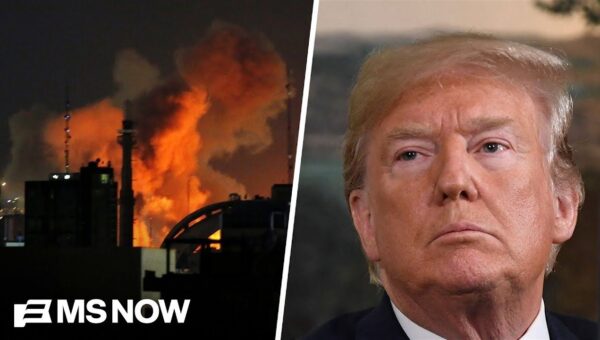
Congressman Swalwell Slams Trump’s Iran Strikes, Cites ‘No Plan’
Congressman Eric Swalwell has strongly condemned the recent U.S. military strikes in Iran, deeming them illegal and lacking a clear strategic plan. He joins Democrats in demanding a War Powers vote, asserting that the administration has failed to present evidence of provocation or a post-strike strategy. Swalwell criticizes the move as a distraction from domestic issues and a departure from campaign promises.
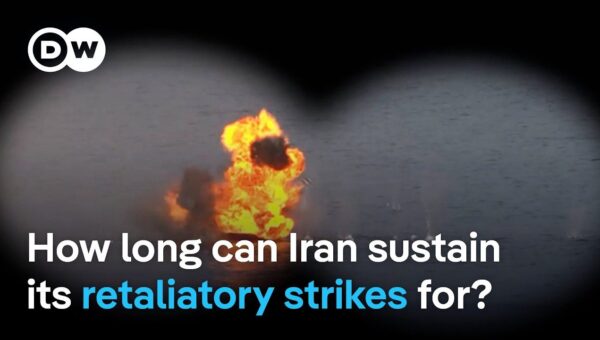
Iran’s Power Vacuum: IRGC Steers Nation Amidst Crisis
Iran faces unprecedented vulnerability following the assassination of Supreme Leader Ayatollah Ali Khamenei. The nation is under attack internally and externally, with the IRGC playing a crucial role in managing the leadership transition and maintaining state control amidst a deepening political and economic crisis.


US Navy Crushes Iran’s Fleet in Escalating Conflict
President Trump announced the US military has sunk nine Iranian naval ships, crippling Iran's navy and securing the Strait of Hormuz. The announcement comes amid a massive bombing campaign targeting Iranian military assets, with significant involvement from the Israeli Air Force.