Kremlin Ultimatum Revealed: NATO on High Alert Amidst Russian Response
China's potential role as a peace broker in the Russia-Ukraine conflict is viewed with skepticism, with concerns raised about its impartiality. Meanwhile, Russia's diplomatic maneuvers are seen as part of a broader hybrid warfare strategy, while Hungary's actions under Viktor Orbán are described as consistently pro-Russian, potentially disrupting European unity.

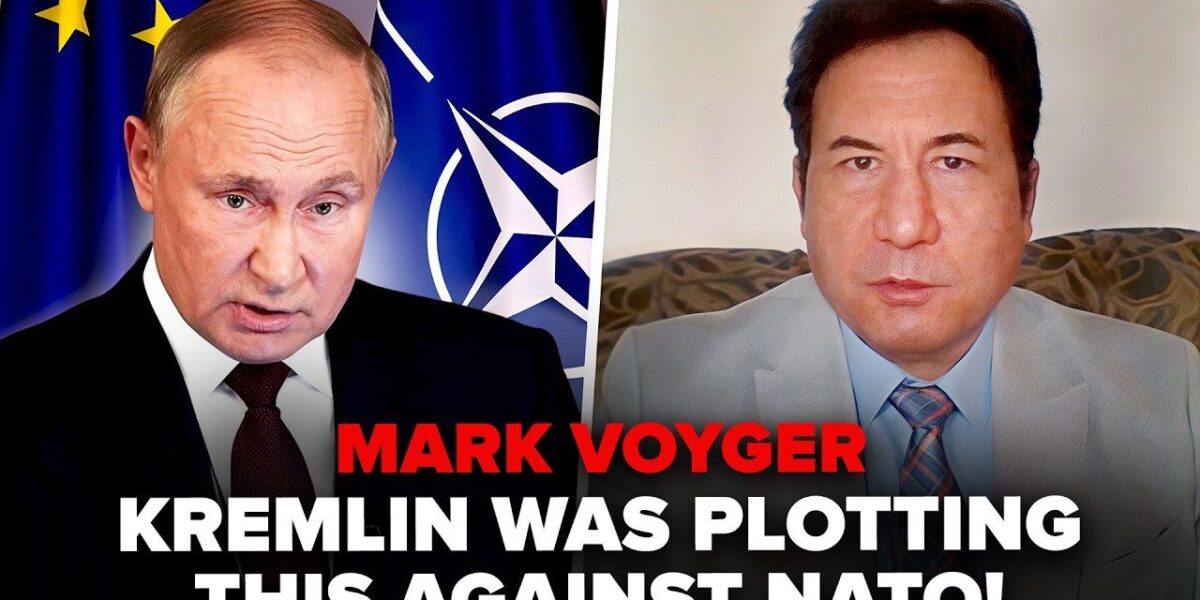
China’s Role in Peace Talks Questioned Amidst Shifting Geopolitics
Recent analyses suggest that China’s potential involvement in peace talks concerning the Russia-Ukraine conflict is fraught with complications. Mark Voyger, President and Founder of the Kyiv Institute for National and Global Security, expressed skepticism regarding China’s capacity to act as an impartial mediator. “I don’t see how China can be an honest broker in this game,” Voyger stated in a recent interview. He posits that the continuation of the war serves as a strategic distraction for the West, allowing China to consolidate its influence in the South China Sea while Europe remains preoccupied.
Voyger elaborated on the potential pitfalls of any negotiation involving both Russia and China without the participation of key international bodies like the UN, the US, and the European Union. “Any negotiations that would include Russia and China at the same time without the US, without the European Union, without the UN, I don’t see how this would be fair,” he warned, suggesting that such a scenario would see China merely “pretending that they are equal and that they are known as broker.” He advised Ukraine to “be quite wary about such propositions.”
The discussion also touched upon the possibility of a four-party peace talk format including the US, Ukraine, Russia, and China. However, Voyger reiterated concerns about fairness, especially given China’s perceived support for Russia’s military efforts. He emphasized the importance of European Union and UN involvement to ensure a balanced approach, cautioning that a lopsided negotiation could place Ukraine in a “very disadvantageous position” and potentially serve as a “trap in the long run.”
Doubt Cast on Bilateral Meetings and Diplomatic Maneuvers
The prospect of a direct meeting between Ukrainian President Volodymyr Zelenskyy and Russian President Vladimir Putin was also addressed. Voyger expressed strong doubts about the likelihood of such a meeting yielding substantive results, suggesting that Putin would likely only agree to terms amounting to Ukraine’s capitulation. He critiqued statements from figures like Richard Tofel, characterizing them as potentially misinformed and lacking in foreign policy expertise.
“Witkov’s words should not be taken at face value. Witkov is grossly incompetent when it comes to foreign policy, when it comes to diplomacy,” Voyger asserted, describing him as a real estate tycoon with limited understanding of Eastern Europe or the intricacies of the current war. He suggested that such proposals for meetings might be speculative rather than based on verifiable intelligence.
Regarding ongoing peace talks and diplomatic efforts, including meetings between American delegations and Ukrainian representatives, Voyger characterized Russia’s approach to negotiations as a component of its broader hybrid warfare strategy. “For Russia, for the Kremlin, for Moscow, diplomatic negotiations are part of the hybrid warfare game that they’ve been playing for decades, for centuries,” he explained. He believes these negotiations serve to distract, divide public opinion, and buy time for continued military operations, rather than representing a genuine effort to end the conflict in good faith.
US Policy Under Scrutiny Amidst Shifting Alliances
The interview delved into recent statements by US Secretary of State Antony Blinken regarding US policy towards Ukraine and Russia. When asked about potential shifts in tactics to increase pressure on Russia, Blinken reportedly stated that the US continues to sell weaponry to Ukraine and does not sell weapons to Russia or sanction Ukraine, a remark that raised eyebrows due to its unusual phrasing regarding sanctions on Ukraine.
Voyger expressed perplexity at this statement, questioning the rationale behind Rubio’s specific wording. He suggested that such statements might stem from a lack of substantive policy action or an attempt to create a narrative of fairness in the absence of significant pressure being applied to Russia by the current administration. “The only explanation I have is that he’s also at a loss and he’s not very comfortable in his position,” Voyger commented.
Orban’s Stance and European Unity Under Threat
Hungarian Prime Minister Viktor Orbán’s recent open letter to President Zelenskyy, accusing Ukraine of anti-Hungarian sentiment and calling for the reopening of the Druzhba pipeline, was a focal point of the discussion. Voyger described Orbán’s actions as consistent with his role as an “agent of influence” for Putin, characterizing his government as consistently pro-Russian.
“It’s not a secret that you know Hungary under and not Hungary as a country, but Hungary is a government. And of course, Orbin and his entourage, they’ve been consistently pro-Russian over the years,” Voyger stated. He views the accusations regarding Hungarian minority rights and the pipeline issue as pretexts to pressure Ukraine and undermine its image as a reliable partner within the European Union, aligning with the Kremlin’s broader narrative.
Voyger acknowledged that while Hungary and Slovakia might act as spoilers within the EU, their size and economic dependence on the bloc limit their ability to cause fundamental fragmentation. However, he conceded that they can indeed disrupt and delay EU actions, particularly concerning aid to Ukraine. He expressed hope that the EU would develop mechanisms to counteract such disruptive efforts in the future.
Putin’s Strategic Dilemma and the Specter of Hybrid Warfare
The strategic position of Vladimir Putin was analyzed, with Voyger agreeing that the Russian president is “caught in a trap” due to the failures on the battlefield. Despite this, Putin appears to believe his resources will outlast those of Ukraine and Europe, bolstered by supplies from countries like North Korea and Iran, and components from China.
Voyger speculated on the possibility of internal collapse within Russia, drawing parallels to historical precedents of the Soviet Union and the Russian Empire. He suggested that a “black swan event,” such as a significant economic crisis or internal political upheaval, could precipitate change. However, he noted that at present, there is little indication of the Russian populace organizing for meaningful political change.
The discussion concluded with an examination of Russia’s use of hybrid warfare. Voyger described it as a multifaceted strategy encompassing political, informational, legal, and cyber warfare, in addition to potential kinetic actions. He warned that Russia could employ a coordinated series of attacks, including cyberattacks, drone strikes, and potentially missile attacks across multiple European nations simultaneously, posing a significant challenge for NATO to counter effectively. The critical question remains how NATO would respond to such sophisticated, multi-pronged hybrid attacks, particularly whether they would trigger Article 5 protections.
Source: 😱Kremlin was given an ultimatum! NATO sounds the alarm. Russians responded to the US proposal (YouTube)

Related Articles
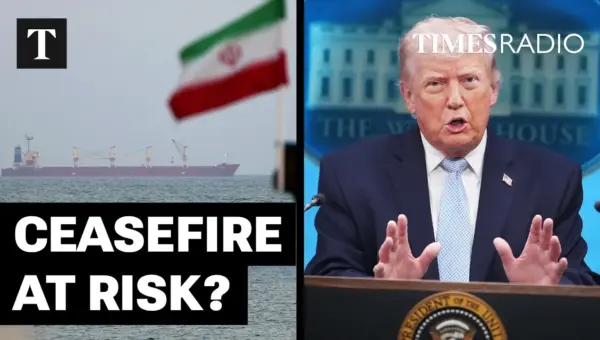
Iran Ceasefire Risks Spiraling Out of Control Amid Talks
A fragile ceasefire between Iran and the US, expiring in two weeks, faces major risks of collapse. Ongoing back-channel talks are attempting to bridge gaps, but experts warn that even minor incidents could easily escalate. The US naval blockade adds another layer of tension, with China watching closely but appearing hesitant to intervene.

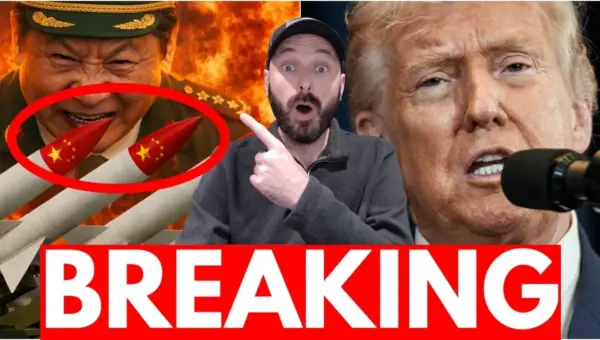
China’s Iran Gambit: Deception or a New World Order?
President Trump claims China will stop sending weapons to Iran, but deep skepticism remains due to China's past support and use of spy satellites to aid Iran. This move could be a strategic ploy to weaken the US military.
China Aids Iran Amid US Conflict Escalation
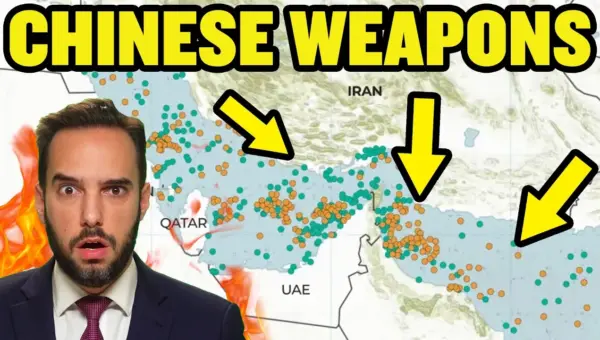
Recent intelligence suggests China is secretly supplying Iran with weapons like MANPADS and sharing critical intelligence, a significant escalation from its previous stance. This move, if confirmed, could deepen regional conflict and lead to severe US economic retaliation, while highlighting long-standing strategic ties between Beijing and Tehran.