UK War Role: Ben Wallace on Imminent Iranian Threat
Former UK Defence Secretary Sir Ben Wallace discussed the conditions under which the UK might join the US in military action against Iran, focusing on the legal definition of "imminent threat." He suggested that former President Trump's rhetoric may have complicated the UK's potential support.

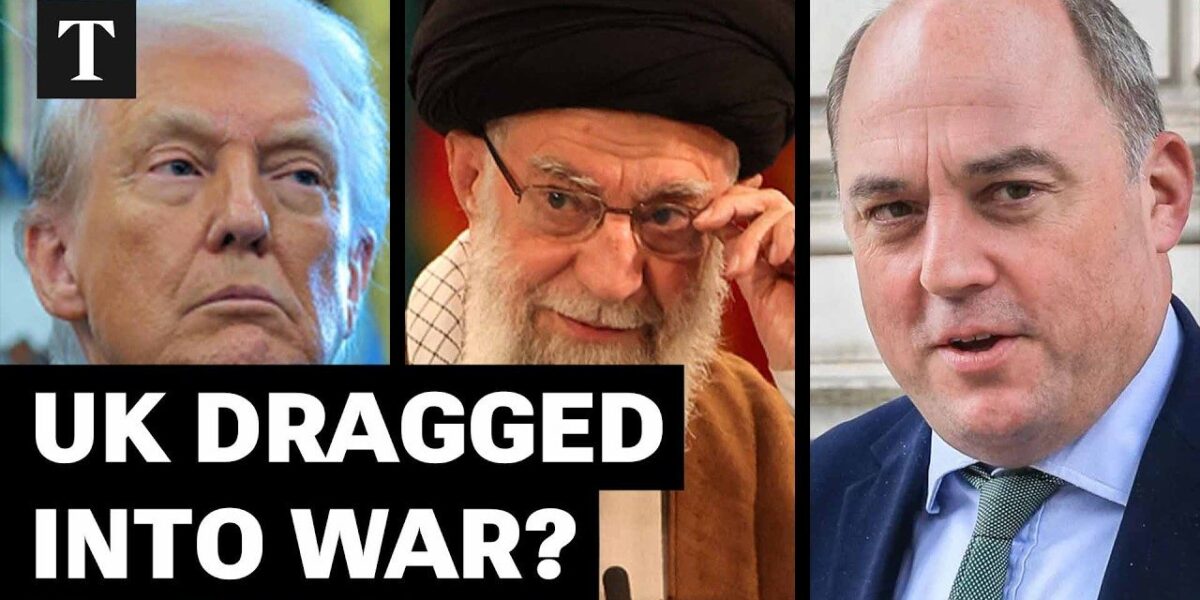
UK Military Stance on Iran Threat: A Preemptive Strike Dilemma
Former UK Defence Secretary Sir Ben Wallace has outlined the conditions under which the United Kingdom might be drawn into military conflict alongside the United States, particularly in the context of perceived imminent threats from Iran. Speaking on Times Radio Breakfast, Wallace clarified the international legal framework surrounding preemptive action and suggested that former US President Donald Trump’s rhetoric may have complicated the UK’s potential involvement.
Understanding Imminent Threat and Preemptive Action
Wallace explained the critical legal and strategic concept of “imminent threat.” He stated, “Under international law, if you believe you have reached that test, you would be able to use pre-emptive action against someone posing an imminent threat.” This principle, often cited in discussions of national security and international relations, allows a nation or its allies to take offensive action against an adversary if there is clear and present danger of an attack. The key word, “imminent,” signifies a threat that is immediate and unavoidable, requiring a swift response to prevent catastrophic consequences.
Trump’s Rhetoric and UK Support
The former defence secretary specifically addressed the implications of Donald Trump’s past statements and actions regarding Iran. Wallace observed that Trump’s use of the word ‘imminent’ in certain contexts “has set aside terms that the UK could support him.” This suggests a divergence in interpretation or application of the “imminent threat” doctrine between the two nations, or at least a concern that US actions, potentially unilateral, might not align with the UK’s threshold for engagement. The UK typically adheres to a stricter interpretation of international law, often requiring UN Security Council approval or a clear act of aggression before committing to military intervention. Disagreements over the definition or evidence of an imminent threat could therefore strain the US-UK alliance in a crisis scenario.
The Broader Geopolitical Landscape
Wallace’s comments come at a time of heightened tensions in the Middle East. The region remains a focal point of international concern due to ongoing conflicts, proxy wars, and the persistent threat of state-sponsored terrorism. Iran’s nuclear program, its ballistic missile development, and its support for various militant groups across the Middle East have long been subjects of international scrutiny and diplomatic efforts. The potential for escalation, involving major global powers, remains a significant risk. Any direct military confrontation involving the US and Iran could quickly draw in regional allies and potentially disrupt global energy markets and international security.
UK’s Role in International Security
The United Kingdom, as a permanent member of the UN Security Council and a close ally of the United States, plays a significant role in global security architecture. Its decision to participate in military actions, especially those involving preemptive strikes, is subject to rigorous parliamentary debate and public scrutiny. The UK’s legal and political frameworks prioritize multilateralism and adherence to international law, meaning that any commitment to military action would likely need to be justified on solid legal grounds and command broad international support. Wallace’s remarks underscore the careful balancing act the UK must perform between maintaining its alliance with the US and upholding its own legal and foreign policy principles.
Potential for Escalation and Future Considerations
The scenario described by Wallace highlights the complexities of modern warfare and international alliances. The definition of “imminent threat” can be subjective and politically charged, making it a potential point of friction between allies. Furthermore, the rapid pace of geopolitical developments means that situations can evolve quickly, potentially forcing difficult decisions upon policymakers. As global powers navigate the volatile landscape of the Middle East, the UK’s stance on preemptive action, its interpretation of international law, and its commitment to its allies will continue to be closely watched. The potential for the UK to be drawn into conflict underscores the interconnectedness of international security and the profound implications of decisions made in one nation on others.
Looking ahead, the UK’s approach to potential threats from Iran, and indeed from any state actor, will likely remain guided by a careful assessment of legal justifications, strategic necessity, and the broader implications for international stability. The precise conditions under which the UK would consider military intervention, particularly preemptive action, will continue to be a subject of ongoing debate and policy refinement.
Source: US-Israel Strikes: UK Could Be Drawn Into War If US Is Under Imminent Iranian Threat | Ben Wallace (YouTube)

Related Articles
Trump’s Global Chaos: Might Makes Right?
Donald Trump's actions, from challenging international law to embracing a Christ-like image, are reshaping the global order. This shift towards 'might makes right' creates instability and emboldens adversaries, while figures like the Pope warn of a loss of human dignity and justice.


US Blockade Triggers New Global Chaos
The U.S. Navy's blockade of the Strait of Hormuz escalates tensions with Iran, risking global conflict and economic fallout. This move challenges international law and sets a dangerous precedent for controlling vital trade routes.
General Warns of War Crime Trials for U.S. Military
Retired U.S. Army Brigadier General Steve Anderson warns that U.S. military members could face Nuremberg-style trials for war crimes. He criticizes former President Trump's handling of international conflicts, particularly in Iran, calling it a major geopolitical blunder. Anderson urges strategic international action for accountability after the current administration.