Pakistan Bombs Afghanistan in Major Border Escalation
Pakistan has launched significant airstrikes across Afghanistan, targeting cities including Kabul, in a major escalation of border tensions. Citing accusations of Afghanistan harboring militants, Pakistan's defense minister declared "open war." The conflict has displaced civilians and prompted calls for de-escalation amid complex regional security dynamics.

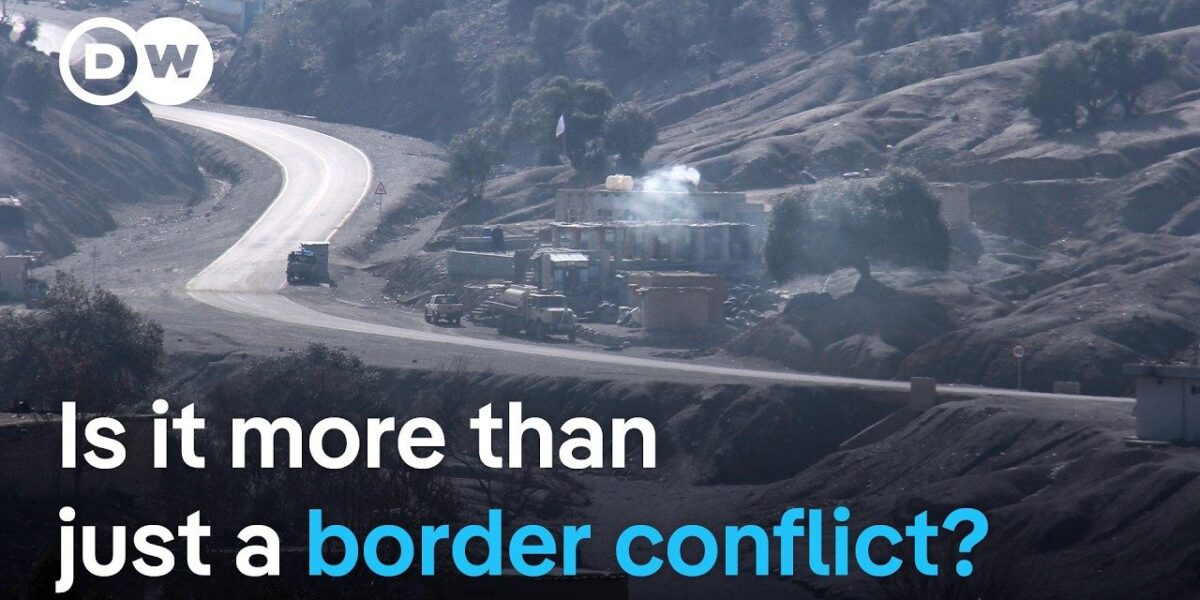
Pakistan Launches Airstrikes on Afghan Cities Amid Border Tensions
Pakistan has launched significant airstrikes targeting multiple cities across Afghanistan, including the capital Kabul, in a dramatic escalation of the long-standing border dispute between the two nations. The Pakistani military released footage purporting to show these strikes, marking the first time Islamabad has directly targeted facilities within Afghanistan. The strikes hit sites in Kabul, Kandahar, and Paktia province, as well as border regions like the Torkham crossing, which also houses Afghan refugees returning from Pakistan.
“Open War”: Pakistan Accuses Afghanistan of Harboring Militants
The military action follows months of escalating tensions, with Pakistan accusing the Taliban rulers in Afghanistan of harboring militants who conduct attacks within Pakistani territory. Pakistan’s Defense Minister, Haja Muhammad Asif, declared on social media platform X, “Our cup of patience has overflowed.
Now it is open war between us and you,” signaling a severe deterioration in relations. Pakistan claims that the Afghan government provides sanctuary to the Tehrik-i-Taliban Pakistan (TTP), a group responsible for a surge in attacks across Pakistan, particularly in the Khyber Pakhtunkhwa and Balochistan provinces, and increasingly in urban centers.
“The Pakistani side is accusing the Taliban of harboring the Pakistani Taliban TTP who has been claimed responsibility for a lot of the attacks that we’ve seen in Pakistan recently.”
Afghan Response and Civilian Impact
In response to the Pakistani airstrikes, Afghanistan’s Taliban administration stated it was conducting large-scale operations on the border. The conflict has seen cross-border fighting intensify since a fragile ceasefire was signed in October. Eyewitness accounts from the Torkham crossing describe scenes of panic and displacement.
One resident recounted, “Around 10:30 p.m. An explosion hit. People started running away with their families.
They left all their belongings here. They went to the square. Some of them even left their kids.
I saw blood. Bullets wounded a few children and women.
The situation last night was bad. We left everything behind.” Some families have been forced to seek shelter in the open desert.
Underlying Security Dilemma
Experts suggest that the current escalation stems from a complex security dilemma. Leo Wigger, an associate partner and South Asia researcher at the Candid Foundation, noted that while the situation was deteriorating, the current level of conflict was not entirely unexpected. “Many experts including myself and my colleagues have been expecting this escalation because the overall situation between the Taliban and the Pakistani government has been spiraling from low to lower over the last couple of months,” Wigger explained.
He highlighted Pakistan’s demand for the Taliban to crack down on the TTP, while simultaneously noting the Taliban’s domestic constraints. “The Taliban can’t really fulfill Pakistan’s expectation to give up their support to a certain extent to the TTP because this would have reverse consequences for the grip on power of the Taliban in Afghanistan,” Wigger stated, adding that any perceived appeasement of Pakistan could weaken the Taliban’s authority domestically due to Pakistan’s unpopularity in Afghanistan.
Regional Dynamics and Mediation Efforts
While the conflict is primarily between Pakistan and the Taliban administration, regional powers are observing the situation closely. Pakistan has historically feared facing conflict on two fronts, with India being its other major neighbor. Although the Taliban and India have reportedly improved relations, Wigger believes there is no coordinated foreign policy between them and that the current dispute remains largely bilateral.
Several countries, including Qatar, Saudi Arabia, Turkey, Iran, and Russia, have reportedly offered to mediate. However, past attempts have yielded little progress due to the deeply entrenched dilemma faced by both sides. Pakistan demands increased security cooperation, while the Taliban faces internal challenges that limit its ability to comply without risking its own power.
Mixed Reactions within Pakistan
Public reaction within Pakistan to the military operation has been divided. Some citizens support the government’s actions, viewing them as a necessary retaliation. “Pakistan did the right thing.
The Afghans were attacking. So, it’s good that we retaliated,” commented one individual. Others express concern over the escalating conflict with a neighboring Muslim nation.
“This is very unfortunate because Afghanistan is a neighboring country and also a Muslim nation. Conflict between us is not in our interest, nor is it in theirs,” stated another Pakistani citizen.
Looking Ahead: Calls for De-escalation Amidst Uncertainty
As both Pakistan and Afghanistan escalate their military actions, calls for de-escalation are growing. However, the underlying issues fueling the conflict—border security, militant sanctuaries, and the Taliban’s domestic political considerations—remain complex and deeply rooted.
The path towards a meaningful resolution appears challenging in the short term, with the risk of further instability in the region remaining high. International mediation efforts will likely continue, but their success hinges on addressing the core security concerns of Pakistan and the political realities faced by the Taliban regime.
Source: Escalating conflict between Pakistan and Afghanistan | DW News (YouTube)

Related Articles


Pakistan Mediates US-Iran Peace Talks Amid Shifting Alliances
Pakistan is stepping into a critical mediation role between the United States and Iran, leveraging its unique position and historical ties. Once known for harboring Osama bin Laden, the nation now seeks to broker peace amid escalating tensions, supported by its military leadership and influenced by China's regional strategy. Despite these efforts, hopes for a lasting resolution remain limited, highlighting America's shifting global standing and the severe economic impact on developing nations.

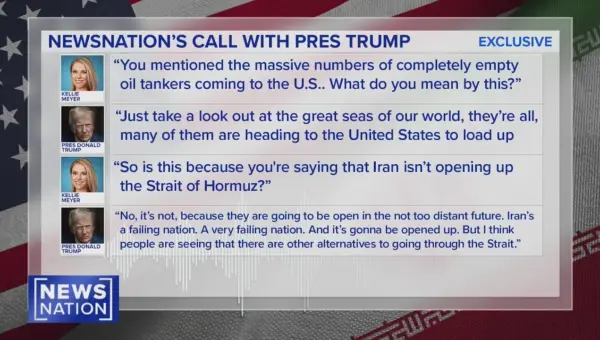
US Clears Hormuz Mines Amid Pakistan Peace Talks
The U.S. Navy is clearing mines from the Strait of Hormuz as critical peace talks involving Iran unfold in Pakistan. This dual approach aims to secure vital oil shipping lanes and de-escalate regional tensions, though significant challenges and potential future conflicts remain.


Vance Meets Pakistan PM Amid U.S.-Iran Tensions
U.S. Vice President JD Vance met with Pakistan's Prime Minister in Islamabad shortly before crucial U.S.-Iran talks. The meeting highlights Pakistan's strategic importance and ongoing diplomatic efforts in a sensitive region.