Paramount-Warner Bros. Merger Faces Antitrust Scrutiny
Paramount's reported acquisition of Warner Bros. Discovery is drawing scrutiny over potential antitrust violations and political influence. The consolidation could lead to higher consumer prices, reduced creator leverage, and a more fragile media landscape.

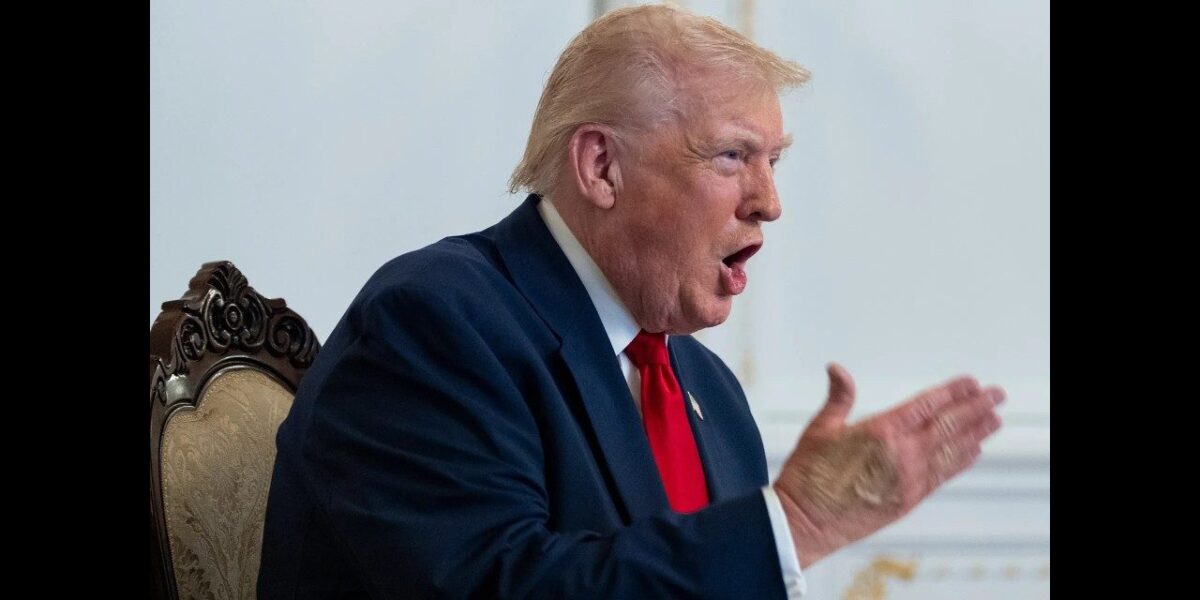
Media Consolidation Looms as Paramount Acquires Warner Bros. Discovery
In a significant development poised to reshape the media landscape, Paramount has reportedly made a successful bid for Warner Bros. Discovery, effectively ending Netflix’s pursuit of the media giant. This move signals a major consolidation within the industry, raising questions about antitrust laws and the potential for unchecked corporate power, particularly in the realm of news dissemination.
Allegations of Political Influence in Merger Deal
Sources suggest that the Trump administration has favored a Paramount acquisition, with concerns raised about the potential for political influence to sway the outcome of the deal. “It’s no secret that he’s very cozy with the new owners of Paramount,” stated a source familiar with the situation, referring to the Allison family, owners of Paramount. “They have seemed extraordinarily eager and happy to shape news in a way that’s going to benefit the administration.” This alleged alignment has led to speculation that federal challenges to the merger, should it be deemed illegal, may be unlikely.
Antitrust Concerns and Historical Context
The potential merger between Paramount and Warner Bros. Discovery brings to the forefront long-standing antitrust concerns. “There absolutely are [antitrust laws],” a legal expert explained, referencing legislation dating back to the early 20th century designed to prevent excessive consolidation. These laws were enacted out of concern for consumers, workers, and the broader implications for democracy, aiming to establish checks against both arbitrary state power and unfettered corporate power. However, a perceived shift in enforcement, where “if you’re a friend of the administration, you’re going to get basically white glove treatment,” has led to accusations of a two-tiered system of law enforcement, where “elite impunity” and the “weaponization of the antitrust laws” are used to reward allies and penalize adversaries.
Potential Impact on Consumers and Creators
The ramifications of such a large-scale merger extend beyond industry insiders, with significant potential impacts on consumers and creators alike. “The most immediate impact could be, you know, higher prices for pay TV,” as the consolidated entity would gain substantial pricing power. Viewers have already witnessed consistent annual increases in cable service costs, a trend that is expected to continue or worsen with further consolidation. For creators, the merger could mean “an enormous amount of leverage over Hollywood writers” and other industry professionals, making it more difficult to secure fair compensation or find diverse outlets for their work. This concentration of power over content creation and distribution could also “create a much more fragile democracy” by controlling the flow of information and potentially suppressing news unfavorable to powerful interests.
Legal Avenues and Future Scenarios
Despite the apparent momentum towards the merger, legal avenues remain to challenge the deal. State Attorneys General, such as California’s AG Rob Bonta, have indicated that the deal is “nowhere near a done deal” and that their offices are actively investigating. If the merger proceeds, a future administration could potentially revisit and seek to undo it. Furthermore, the transcript suggests that collective action from unions like the Writers Guild of America (WGA) and SAG-AFTRA could play a crucial role. “Those are groups that have in the past shown courage and in speaking up against consolidation,” and have the standing to challenge mergers that negatively impact their members and the industry.
Legislative Reforms and Long-Term Solutions
Looking ahead, there is a call for proactive legislative reforms to address the ongoing issue of media consolidation. The current system, where antitrust laws are perceived to be enforced inconsistently based on political power, is seen as unsustainable. Suggestions include revisiting rules against vertical integration, which once prohibited companies from controlling both content creation and distribution channels. Additionally, reducing the cost and complexity of enforcing antitrust laws could empower agencies and state officials to more effectively challenge problematic mergers. The expert emphasized the need for a broader public conversation about how concentrated corporate power, particularly in media, affects affordability, economic fairness, and the health of democracy.
Source: Trump executes BOMBSHELL plan behind the scenes (YouTube)

Related Articles

NFL Faces Antitrust Probe Amid Viewer Cost Crisis
The DOJ is investigating the NFL for making football too expensive and confusing to watch, potentially costing fans nearly $1,000 per season. Meanwhile, Sean 'Diddy' Combs' legal team appeals his sentence, arguing the judge improperly considered acquitted charges. Separately, a letter from murder suspect Tyler Robinson is under scrutiny, with some questioning the prosecution's 'perfect' evidence.

Journalist Warns: Truth Under Threat in America
Journalist Jim Acosta warns that America faces a dangerous time for truth-telling, where power can crush verifiable facts. He highlights escalating pressures on the press, from revoked credentials to death threats, and links these issues to media consolidation and the rise of self-censorship. Acosta stresses the vital role of a free and independent press in safeguarding democracy.

Artemis II Astronauts Homebound After Historic Moon Mission
The Artemis II astronauts are nearing Earth after completing a historic mission around the Moon, with splashdown expected tonight. Meanwhile, First Lady Melania Trump has broken her silence on Jeffrey Epstein, and the NFL is under federal investigation for its streaming practices.