Housing Market Affordability Crisis Deepens
Experts debate the current U.S. housing market, highlighting a severe affordability crisis that has frozen sales. While some see echoes of 2008, key differences in equity and supply dynamics are noted. The market faces challenges from rising costs, investor activity, and a complex interplay of supply-side factors.

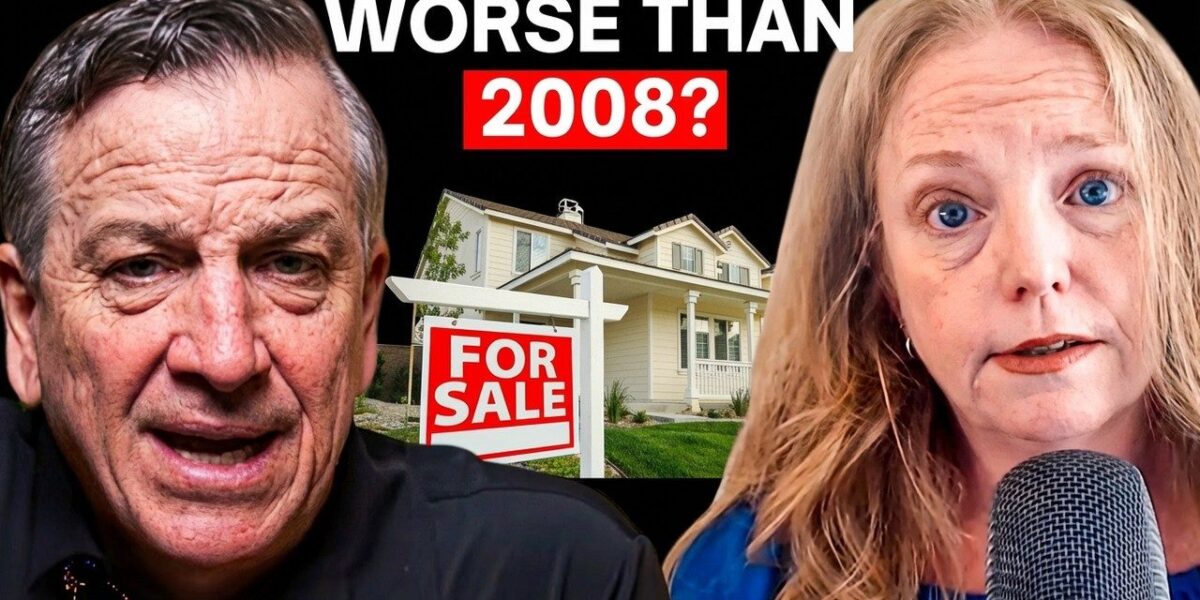
Housing Affordability Crisis Intensifies, Experts Debate Market Outlook
The current state of the U.S. housing market is a complex tapestry woven with threads of unprecedented affordability challenges, lingering effects from past crises, and diverging expert opinions on its future trajectory. While some foresee a stabilization or even a modest correction, others warn of deeper issues rooted in supply shortages and investor activity. At the heart of the debate lies the critical issue of affordability, impacting everyone from first-time homebuyers to seasoned investors.
Affordability: The Core of the Market Freeze
“Huge, huge problem.” That’s how Ken McElroy describes the current state of affordability for the average homebuyer. He points to both the mortgage side and the ongoing costs of homeownership, including property taxes, insurance, and utilities, as significant burdens. Melody Wright echoes this sentiment, identifying affordability as the primary reason for a “frozen housing market” characterized by the worst sales figures since 1995, despite a 20% population increase over the same period.
Wright further elaborates that first-time homebuyers have been largely priced out by investors, preventing them from forming new households. This dynamic creates a significant barrier to entry and contributes to the market’s stagnation. The debate then shifts to whether the current situation mirrors the 2008 housing crisis.
Echoes of 2008, But With Key Differences
While similarities exist, both experts agree the current market is not a carbon copy of 2008. Wright highlights a critical difference: the relaxation of debt-to-income thresholds and the reliance on automated underwriting systems in 2021. This, coupled with inflated credit scores due to eviction and mortgage forbearance moratoriums, created an environment ripe for risk. She notes the significant increase in FHA loans, now representing a larger percentage of the market and exhibiting double-digit delinquency rates in the private market.
McElroy, who experienced the 2008 crisis firsthand, attributes it to a concerted push for homeownership under both the Clinton and Bush administrations, which led to an unsustainable peak homeownership rate of 69.2%. This encouraged people to buy, even if they couldn’t truly afford it, drawing tenants away from the rental market. He recalls renters moving into his apartments who then went on to buy homes, a sign of brewing trouble. The bubble burst under the Obama administration, leading to a massive correction and a flood of listings – approximately 4 million homes on the market.
A crucial distinction McElroy draws is the level of homeowner equity. In 2008, homeowners had around $6 trillion in equity. Today, that figure stands at a staggering $34-36 trillion. This substantial equity provides a buffer for homeowners facing financial disruptions, unlike in 2008 when foreclosures were rampant due to a lack of equity.
The Supply Side Debate: Shortage or Misallocation?
A central point of contention is the housing supply. McElroy argues there’s a “structural problem with supply,” citing that in the last 12 years, nearly 16 million households were formed, but only 8.5 million homes were built. This imbalance, he believes, favors sellers.
Wright, however, challenges the notion of a widespread inventory shortage. She suggests there’s a shortage of *affordable* homes, but not necessarily a shortage of housing units overall. She points to data indicating more housing units per capita than ever before. Wright also raises concerns about uncaptured data, such as payment deferrals on prime loans that function like home equity loans but aren’t always reflected in aggregate equity calculations. Furthermore, she highlights the growing private market for real estate transactions, including seller financing and “sub-two” mortgages, which operate outside traditional reporting mechanisms.
Wright also discusses the “silver tsunami” – the aging baby boomer population – and the potential influx of inventory as this generation downsizes or passes away. She notes that 70% of inherited homes are sold by beneficiaries. The short-term rental market, she argues, has also contributed to inventory issues, with many of these properties now becoming motivated listings as travel cools.
McElroy counters by questioning why, if there’s ample inventory, it isn’t appearing on the Multiple Listing Service (MLS). He points to the stark difference between 4 million listings in 2008 and just 400,000 in 2022, suggesting significant absorption over the intervening years. He also emphasizes the lack of new construction post-2008 due to banks’ reluctance to lend after absorbing vast amounts of REO (Real Estate Owned) properties.
Navigating the Current Market: Regional Variations and Investor Strategies
The discussion touches on regional market dynamics. While 78 out of the top 100 U.S. cities saw price increases in the past year, Wright notes that the median list price nationally has fallen below $400,000 for the first time since 2022. She observes price declines in markets like California, where inventory is starting to surge, and an increase in delistings as sellers fail to achieve their desired prices.
The role of investors is also a recurring theme. Wright mentions strategies like using Padsplit for co-living arrangements to make rental properties pencil out in a high-interest-rate environment, potentially doubling gross revenue compared to traditional rentals. This highlights how investors are adapting to make deals work when traditional models falter.
Economic Headwinds and Future Outlook
Broader economic factors are undeniably influencing the housing market. Rising interest rates have made building more expensive and discouraged new construction. The affordability crisis is exacerbated by factors such as student loan burdens and the potential for increased layoffs, with January 2024 seeing the highest layoffs since 2009. Wright likens the current market situation to 2006, citing the pervasive interventions like forbearances that have masked underlying credit quality degradation.
McElroy remains optimistic about the rental market, noting that rents are currently soft, presenting buying opportunities. He believes that as interest rates decline, homeowners will unlock equity, leading to increased transactions. He reiterates that the current market lacks the massive oversupply of listings seen in 2008, which he believes is key to preventing a similar crash.
Ultimately, the consensus is that the housing market faces significant affordability challenges. While the specter of 2008 looms, the current landscape is shaped by different economic forces, levels of homeowner equity, and debates over supply and demand. Navigating this market requires a keen understanding of these nuances, regional variations, and the evolving strategies of both buyers and investors.
Source: Melody Wright vs Ken McElroy Housing Market Debate (YouTube)

Related Articles


Powell’s Fed Exit Looms: Warsh Poised for Top Job
Kevin Warsh is reportedly set to become the next Federal Reserve Chair, with his confirmation hearing scheduled soon. This potential leadership change at the central bank signals a new direction for U.S. economic policy.


Wall Street Landlords Slash Rents Amid Oversupply
Wall Street landlords are cutting rents by up to 10% in cities like Atlanta due to a surge in accidental landlords and market oversupply. This trend is leading to significant discounts on homes, impacting both renters and sellers.

High Debt Forces Fed’s Hand, Paving Way for Rate Cuts
Massive U.S. debt is limiting the Federal Reserve's ability to fight inflation, potentially forcing interest rate cuts. This delicate balancing act risks higher inflation and impacts the real estate market, creating both challenges and opportunities.