Ambassador Downplays Envoy’s ‘Biblical Right’ Remarks on Middle East
US Ambassador David Satterfield downplayed controversial remarks by Ambassador Mike Huckabee suggesting Israel has a biblical right to Middle Eastern land. Satterfield stated these comments do not represent US policy and are a diversion from crucial issues like Iran negotiations and the Gaza situation. The interview also touched upon the complexities of the US-Iran nuclear talks and the administration's broader regional diplomatic strategy.

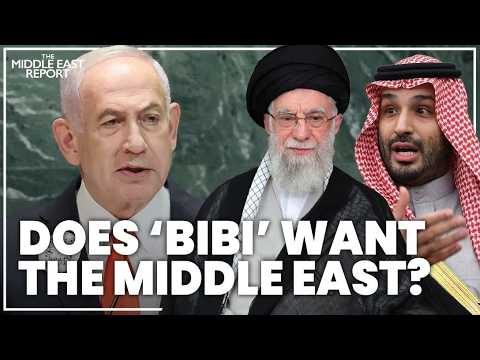
US Envoy’s ‘Biblical Right’ Comments Spark Regional Uproar
Recent remarks by US Ambassador to Israel, Mike Huckabee, suggesting Israel has a biblical right to large swathes of the Middle East, have ignited a firestorm across the region, prompting strong reactions from Arab nations. However, former US Ambassador David Satterfield characterized the comments as “extremely unfortunate and hyperbolic,” asserting they do not reflect official US policy under President Trump.
Context and Official Rebuttal
In an interview with conservative commentator Tucker Carlson, Ambassador Huckabee stated that Israel’s actions align with biblical prophecy, implying a divine mandate for territorial expansion. These assertions quickly drew criticism from the Arab League and other regional governments. Satterfield, a seasoned diplomat with extensive experience in the Middle East, addressed the controversy on the “Middle East Report,” emphasizing that while the Arab League’s response was expected, it was largely “performative.”
“They understand this does not represent US policy. Doesn’t represent Donald Trump’s policy,” Satterfield stated. He further elaborated that the remarks, though regrettable, serve as an “unnecessary diversion” from more pressing issues, such as ongoing negotiations with Iran and the situation in Gaza.
US Policy and Regional Diplomacy
Satterfield was adamant that the ambassador’s comments do not represent the views of the Trump administration or “any responsible members of his administration in Washington.” He underscored the extraordinary nature of the statement, noting it is “not a statement that is consistent either with US policy or with simple prudence.” The former envoy highlighted the strategic importance of relationships with key Arab partners, particularly in the Gulf, and suggested that such rhetoric could jeopardize these crucial alliances. The US administration, he implied, is focused on maintaining stable relations with a broad coalition of regional actors, rather than alienating them through religiously-tinged geopolitical claims.
The US-Israel Relationship and Broader Alliances
The conversation also touched upon the exceptionally close military and political relationship between the United States and Israel, a bond that has deepened significantly since 1973. Satterfield acknowledged this unique connection but stressed that it does not preclude the US from cultivating equally vital relationships with Arab nations like Saudi Arabia and Egypt. He posited that the US has not viewed its relationship with Israel as a zero-sum game against Arab states for many years, a development he described as positive for both American interests and Israel’s integration within the region.
Iran Negotiations: A Complex Landscape
Shifting focus to the complex geopolitical landscape, Satterfield offered insights into the stalled negotiations with Iran. He admitted to a degree of uncertainty surrounding the talks, citing contradictory reports and a lack of clear consensus even among international observers. The primary objective, he surmised, is to secure a nuclear enrichment agreement that demonstrably surpasses the Joint Comprehensive Plan of Action (JCPOA) in terms of stringency and verifiability, particularly concerning enrichment levels, sunset clauses, and stockpile accountability.
However, Satterfield raised critical questions about the scope of potential agreements. He noted that while the Trump administration’s withdrawal from the JCPOA was met with criticism regarding the omission of issues like Iran’s ballistic missile program and its support for regional proxies (Houthi, Hamas, and Hezbollah), the current focus appears to be exclusively on nuclear matters. This narrow focus, he suggested, might not be sufficient to address broader regional security concerns, especially for allies like Israel.
The President’s Objectives and Regional Stability
When pressed on President Trump’s ultimate objectives, Satterfield suggested the president is keen to avoid appearing indecisive or having his posturing fall short of tangible results. A nuclear deal alone, without addressing Iran’s missile capabilities or its proxy network, might not be enough to satisfy this objective. He also noted that regional powers are wary of military action due to the unpredictable consequences and would prefer a robust diplomatic resolution. While a firm deal on the nuclear issue would be welcomed, Satterfield expressed doubt that it alone would fully assuage concerns about Iran’s broader destabilizing activities in the region.
Looking Ahead
The fallout from Ambassador Huckabee’s remarks underscores the delicate balance the US must maintain in the Middle East. As diplomatic efforts continue with Iran, the administration faces the challenge of navigating complex regional dynamics, reassuring allies, and pursuing a comprehensive strategy that addresses security concerns beyond just the nuclear program. The coming weeks will be crucial in determining whether a substantive deal can be reached with Iran and how the US will manage the ongoing tensions and differing perspectives within the region.
Source: Does Israel have a 'biblical right' to the Middle East? | Ambassador David Satterfield (YouTube)

Related Articles


US Imposes Iran Port Blockade; Peace Talks Loom Amid Tensions
U.S. forces have fully implemented a blockade on Iranian ports, halting trade amid escalating Middle East tensions. Peace talks between the U.S. and Iran are reportedly on the horizon, though Iran's nuclear program remains a key obstacle. Meanwhile, historic direct talks between Israel and Lebanon took place in Washington, marking a significant diplomatic step.

Israel, Lebanon Launch Historic US-Mediated Dialogue
Israel and Lebanon have begun a historic US-mediated dialogue, marking the first direct negotiations between the nations since 1993. The talks aim to disarm Hezbollah and establish lasting peace, despite ongoing rocket fire into northern Israel. Israeli officials emphasized that Lebanon and Israel are now on the same side, opposing Hezbollah and Iranian influence.


Middle East Peace Talks Loom Amid Blockade, Vets Weigh In
New peace talks between the U.S. and Iran are anticipated this week amid a tightening naval blockade. Meanwhile, Israel and Lebanon held historic direct talks, while veterans shared insights on the Iran conflict. Separately, former Congressman Eric Swalwell faces a new criminal investigation, and a heroic Oklahoma principal is praised for stopping a school shooting.