UK Student Loans Burden Graduates: A Hidden Economic Crisis
UK graduates are facing a severe economic crisis due to a punitive student loan system that adds billions in interest annually, often exceeding repayments. An investigation reveals how this debt hinders graduates' financial goals and prompts calls for urgent reform.

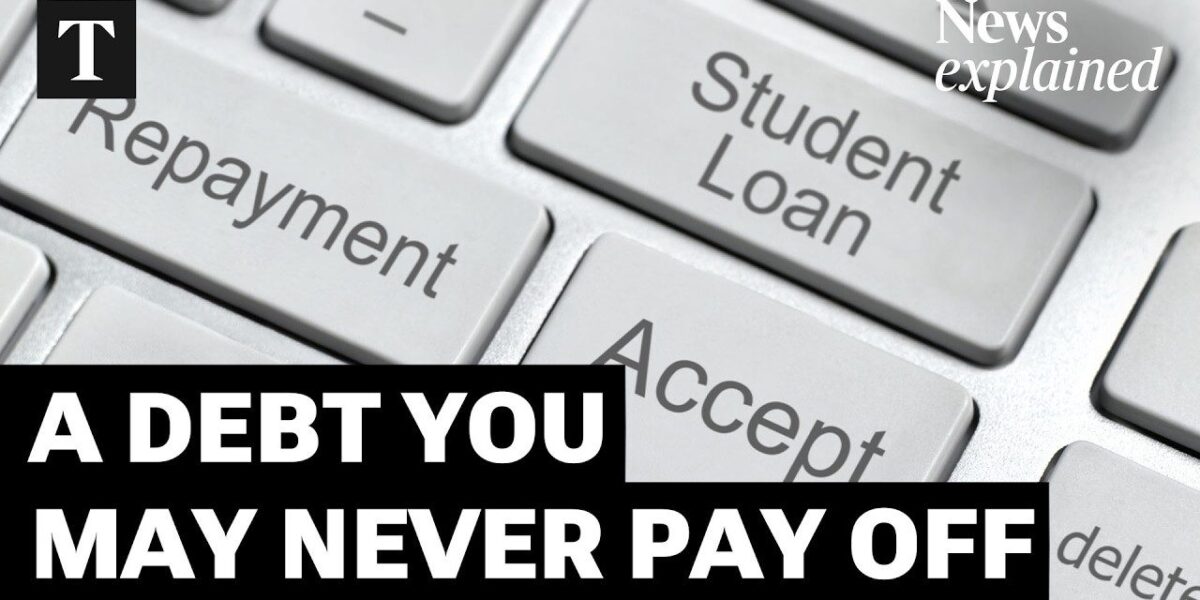
UK Graduates Face Mounting Debt Crisis Under Punitive Loan System
Millions of UK graduates are grappling with an escalating student loan debt crisis, fueled by a system that adds billions in interest annually while repayments barely make a dent in the principal. An investigation by The Sunday Times has revealed the stark reality for a generation of young people whose financial futures are being significantly hampered by the terms of their student loans, impacting their ability to achieve major life goals such as homeownership and family planning.
Evolution of the UK Student Loan System
The current landscape of student finance in the UK is a far cry from its origins. In the 1990s, a policy shift aimed at increasing university access for half of young people necessitated a change in funding models. This led to the introduction of tuition fees, initially set at £1,000 per year, accompanied by the ‘Plan 1’ student loan system. Under Plan 1, graduates repaid 9% of their earnings above a certain threshold, with lower interest rates. Crucially, most graduates under this system were able to clear their debts within approximately a decade.
A significant overhaul occurred in 2012 when tuition fees were raised to a maximum of £9,000 per year. This change coincided with the introduction of ‘Plan 2’ loans, affecting students who attended university between 2012 and 2023. Plan 2 graduates are required to repay 9% of their income exceeding £28,470. The interest rate for these loans is tied to the Retail Prices Index (RPI) plus up to 3%, leading to a maximum potential interest rate of 6.2%. This structure means that for many, the interest accrued on their loans outpaces their repayments, causing the total debt to grow rather than diminish.
The Impact of the Repayment Threshold Freeze
Further compounding the issue, Chancellor Rachel Reeves announced in November 2025 the freezing of the repayment threshold for Plan 2 student loans. This measure, described as a ‘fiscal drag,’ compels graduates to start repaying more sooner. The immediate consequence is a projected increase of around £300 per year for the lowest-earning graduates by the time the freeze concludes in 2030. This policy disproportionately affects those on lower incomes, adding a significant financial burden during a critical period of their early careers.
A Growing Debt Burden: Key Findings
The Sunday Times investigation uncovered alarming figures regarding the scale of the problem:
- Last year, a staggering £15.2 billion in interest was added to student loans.
- In contrast, only £5.2 billion was repaid during the same period.
- For an average graduate with a loan of approximately £53,000, it takes an annual income of at least £66,000 for their repayments to exceed the interest being added to their loan.
- Consequently, two-thirds of graduates find that their monthly repayments, often hundreds of pounds, do not reduce their overall debt, and in many cases, the debt continues to grow.
Financial Aspirations Hindered
The cumulative effect of these loans is a significant barrier to graduates achieving key financial milestones. Many in their early thirties, who are now grappling with these loans, find themselves unable to progress on the housing ladder, start a family, or advance in their careers as planned. While student loans were initially marketed with assurances that they would not impact credit ratings or mortgage eligibility, the substantial monthly repayments directly affect affordability. This means graduates may no longer qualify for mortgages or be able to afford the homes they might have otherwise purchased.
“We now have one of the most expensive systems of university tuition in the world. There are problems in the system. And why don’t we talk about student loans?”
‘Graduate Rip-off’ Campaign Launched
In response to these findings, The Sunday Times has launched a campaign titled ‘End the Graduate Rip-off.’ The campaign is advocating for several key reforms:
- Reversing the freeze on the repayment threshold.
- Reforming the interest rates applied to student loans.
- Implementing a cap on the total amount of interest graduates can repay.
Political Responses and Future Concerns
The campaign has garnered attention from across the political spectrum, prompting various proposals:
- The Conservative Party has suggested removing the 3% uplift on interest rates.
- The Liberal Democrats have proposed forgiving student loans for public sector workers like nurses and police officers.
- The Labour Party has indicated it will review the loan system, though it has defended the threshold freeze as a necessary measure for public services like the NHS.
However, the government has yet to present concrete solutions, and the situation is poised to worsen for future graduates. Those entering university this year will be subject to ‘Plan 5’ terms, which feature a lower repayment threshold of £25,000 and an extended loan write-off period of 40 years, compared to the previous 30 years. These accumulating factors place UK students among the highest indebted graduates in Europe.
The Intergenerational Divide
The government’s rationale often centers on the argument that graduates earn more and should therefore contribute more to their education. However, this perspective overlooks the current economic realities faced by many graduates, including stagnant wage growth, soaring childcare costs, and the inability to access the housing market. The 9% ‘tax’ on their earnings is perceived by many as an unfair burden, highlighting a growing intergenerational economic divide. Graduates are calling for urgent government intervention to rectify a system that is increasingly seen as unsustainable and inequitable.
Looking Ahead
With political parties offering varied responses and the system poised for further changes impacting future cohorts, the debate over student loan reform is set to intensify. The long-term economic and social consequences of this mounting debt burden remain a critical concern, demanding a comprehensive and equitable solution from policymakers.
Source: The Hidden Economic Cost Of A British University Degree (YouTube)

Related Articles

UK Defense Budget Faces “Black Hole” Amid Spending Squeeze
The UK faces a significant shortfall in its defense budget, with the Treasury offering only a fraction of the funds military chiefs deem necessary. Chancellor Rachel Reeves is balancing defense needs against other pressing economic crises, drawing criticism for "shocking complacency." The government's options are limited by a rising welfare bill and economic pressures, making future decisions increasingly challenging.

UK Public Reaches Breaking Point Over Economy, Defense
Britons are increasingly frustrated by the UK's economic outlook, with the IMF predicting the lowest growth and highest inflation in the G7. This, combined with worries about national defense, has led to public pressure, as many feel they have already endured years of hardship and sacrifice, making further demands difficult to accept.
UK Faces Fuel Crisis: Shortages Loom by Late April
Britain faces a looming fuel crisis, with former BP executive Professor Nick Butler warning of significant shortages and price hikes by late April. Weeks of disruption in the Strait of Hormuz have depleted existing fuel supplies, prompting calls for the government to release an emergency plan and reconsider domestic energy production.