Unexplained Explosion Rocks Iranian Nuclear Site Amid Reports of Imminent US Strikes, Raising Fears of Regional War
A massive, unexplained explosion rocked an Iranian nuclear or military facility on February 19th, igniting fears of war as reports indicated the US military was prepared for potential strikes as early as the upcoming weekend. Amidst a history of covert operations and escalating tensions, Iran mobilized defenses while international warnings urged citizens to evacuate, pushing the Middle East to a dangerous brink.

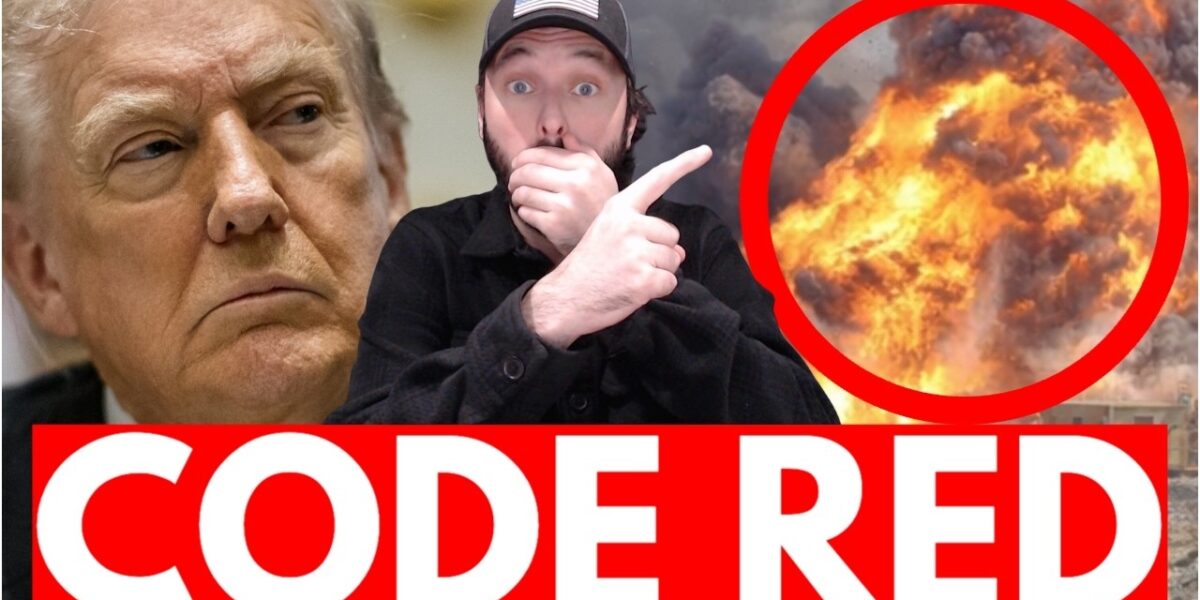
A Region on the Brink: Middle East Tensions Soar
February 19th marked a dramatic escalation in the already volatile relationship between the United States and Iran, as reports emerged of a massive, unexplained explosion at a critical Iranian nuclear or military facility. This incident, shrouded in mystery and quickly dismissed by Tehran as a mere gas leak, unfolded amidst a backdrop of escalating rhetoric and credible reports indicating that the United States military was on standby for potential strikes against the Islamic Republic as early as the upcoming weekend. The confluence of these events has propelled the Middle East to a dangerous precipice, with international observers and regional actors bracing for potential conflict.
The situation, described by some analysts as a clandestine operation, has ignited a flurry of activity across the region. As the US military reportedly prepared for a potentially overwhelming ‘shock and awe’ campaign, Iran was observed mobilizing its own defensive systems, including radar jamming equipment and drone countermeasures around sensitive sites. Simultaneously, international warnings sounded, with at least one European nation urging its citizens to evacuate Iran immediately, underscoring the gravity of a situation fraught with peril and unpredictable outcomes.
The Unexplained Blast: A Nuclear Facility Targeted?
Smoke Over a Critical Site
The morning of February 19th witnessed alarming visuals emanating from Iran: a colossal column of smoke rising from what was identified in early reports as an Iranian nuclear or military facility. While the exact location was initially described as the ‘center of Parin’ – a name that immediately led to speculation among defense analysts about the notorious Parchin military complex, a site long suspected of housing sensitive nuclear-related research – the visual evidence spoke volumes. Images circulated depicting a heavy, dark plume of smoke, indicative of a significant blast or fire. The nature of the target, whether a dedicated nuclear enrichment facility, a research site, or a military installation with nuclear implications, heightened concerns globally due to its potential impact on Iran’s nuclear program and regional stability.
In response to this and a series of other recent unexplained incidents, the Iranian government consistently attributed the explosions to industrial accidents, primarily gas leaks. However, this explanation has been met with widespread skepticism by international intelligence agencies and independent experts. The frequency, scale, and strategic importance of the affected sites – which have included various military targets, critical infrastructure, and even residential areas reportedly housing key leadership – have led many to believe that these are not isolated accidents but rather the hallmarks of deliberate, covert operations.
A Pattern of Sabotage and Strategic Vulnerabilities
The February 19th explosion was not an isolated incident but rather the latest in a troubling pattern of mysterious blasts and fires that had swept across Iran for roughly two weeks prior. These incidents had reportedly targeted critical locations in various cities, including Tehran and Bandar Abbas, focusing on military facilities, industrial complexes, and infrastructure deemed vital to the Iranian state. This string of events has fueled long-standing suspicions of a sophisticated shadow war being waged against Iran, with fingers often pointed at external actors such as Israel and the United States, or even internal dissident elements.
Iran’s nuclear program, a source of immense international concern, has historically been a prime target for such clandestine activities. Facilities like Natanz, the primary uranium enrichment site, and Fordow, a deeply buried enrichment plant, have experienced cyber-attacks and sabotage in the past. The Stuxnet computer worm, widely believed to be a joint US-Israeli operation, famously set back Iran’s enrichment capabilities in the early 2010s. More recently, in July 2020, a fire at Natanz caused significant damage to a centrifuge assembly plant, which Iranian officials later confirmed was an act of sabotage. Such incidents underscore the vulnerability of Iran’s critical infrastructure and the sophisticated capabilities of its adversaries.
Targeting a facility described as a ‘nuke site’ carries profound implications. It suggests an intent to disrupt Iran’s nuclear ambitions, whether for weapons development or peaceful energy generation, potentially altering the regional balance of power. For Iran, such an attack represents a direct challenge to its sovereignty and national security, demanding a robust response, whether overt or covert. For the international community, it raises the specter of uncontrolled escalation, particularly given the already heightened tensions in the Persian Gulf.
Iran maintains that its nuclear program is exclusively for peaceful purposes, a claim disputed by various international bodies and nations, including the US and Israel. The 2015 Joint Comprehensive Plan of Action (JCPOA), or Iran nuclear deal, aimed to curb Iran’s nuclear activities in exchange for sanctions relief. However, the US withdrawal from the deal in 2018 under the Trump administration significantly intensified the standoff, leading to Iran gradually reducing its compliance with the agreement’s restrictions and increasing its uranium enrichment levels.
US Military Posture: Readiness for “Shock and Awe”
Reports of Imminent Strikes
Adding another layer of urgency to the already fraught situation, major US news outlets, including CNN and CBS News, reported that the United States military was prepared to conduct strikes against Iran as early as the upcoming weekend. The reports, citing unnamed sources, indicated that while the military was ready to execute such operations, President Donald Trump had yet to make a final decision. The timing was critical: with February 19th being a Thursday, the reported ‘strike window’ was anticipated to open either Friday night, after global markets had closed, or Saturday, minimizing immediate economic disruption.
This readiness signal was not merely a hypothetical exercise. It reflected a tangible military posture, with strategic assets reportedly repositioned and personnel on alert. Such preparations are typically the culmination of extensive intelligence gathering, target analysis, and logistical planning, signifying that a military option was not just on the table, but fully actionable.
The “Maximum Pressure” Campaign and Escalation
The prospect of US military action against Iran did not emerge in a vacuum. It was the culmination of years of escalating tensions under the Trump administration’s “maximum pressure” campaign. Initiated after the US withdrawal from the JCPOA in 2018, this strategy aimed to compel Iran to negotiate a new, more comprehensive deal by crippling its economy through stringent sanctions. However, instead of capitulation, the policy led to a series of dangerous provocations and retaliations that pushed both nations to the brink of war on multiple occasions.
Key incidents that marked this period of intense escalation included:
- Strait of Hormuz Incidents: A series of attacks on oil tankers in the Persian Gulf and the Strait of Hormuz in 2019, which the US attributed to Iran, disrupting global oil supplies.
- US Drone Shoot-Down: In June 2019, Iran shot down a US RQ-4 Global Hawk surveillance drone, claiming it had violated Iranian airspace. The US maintained the drone was in international airspace, and President Trump reportedly called off retaliatory strikes at the last minute.
- Saudi Aramco Attack: In September 2019, drone and missile attacks severely damaged Saudi Arabia’s key oil processing facilities, temporarily halving the kingdom’s oil output. The US and Saudi Arabia blamed Iran, which denied involvement, with Yemen’s Houthi rebels claiming responsibility.
- Assassination of Qassem Soleimani: The most significant escalation came in January 2020, when a US drone strike in Baghdad killed Qassem Soleimani, commander of the IRGC’s Quds Force. Iran retaliated with missile strikes on Iraqi bases housing US troops, causing traumatic brain injuries to dozens of American service members.
Each of these events ratcheted up the tension, creating a highly combustible environment where miscalculation could easily lead to full-scale conflict. The declared readiness for strikes underscored the Trump administration’s willingness to employ military force to counter perceived Iranian aggression and safeguard US interests in the region.
The Doctrine of “Shock and Awe”
Reports from Israeli broadcaster N12 indicated that US forces in the Middle East were preparing to mount a “shock and awe” campaign against Iran. This military doctrine, formally known as “Rapid Dominance,” aims to paralyze an adversary by overwhelming them with a display of massive firepower and technological superiority, creating a sense of helplessness and fear that collapses their will to fight. Its most prominent application was during the initial phase of the 2003 Iraq War.
A “shock and awe” campaign typically involves:
- Overwhelming Force: Rapid, simultaneous, and precision strikes against a wide array of targets.
- Technological Superiority: Leveraging advanced weaponry, including stealth aircraft, cruise missiles, and precision-guided munitions.
- Psychological Impact: Aiming to demoralize the enemy’s leadership, military, and population.
The reported scale of preparation included the deployment of “hundreds of strike aircraft in the region” and “newly deployed air defense systems at more than 20 locations.” Such a deployment would signify a comprehensive effort to establish air superiority, protect forward operating bases, and execute a multi-front assault. Potential targets in Iran would likely include nuclear facilities, military bases, command and control centers, air defense sites, missile launch sites, and critical infrastructure, all designed to degrade Iran’s ability to wage war and project power.
The strategic objectives of such a campaign could range from degrading Iran’s nuclear capabilities and missile program to weakening its regional proxy networks or even precipitating a regime change. However, the risks associated with such an aggressive approach are immense, including the potential for prolonged conflict, widespread casualties, and severe destabilization of the entire Middle East.
International Alarms and Evacuation Orders
Poland’s Urgent Warning
The gravity of the unfolding crisis was further underscored by a stark warning issued by Polish Prime Minister Donald Tusk. In a dire statement, Tusk reportedly advised, “All Polish citizens in Iran must leave immediately. In a few hours, it may no longer be possible to evacuate you.” This unprecedented directive from a European leader served as a potent alarm bell, signaling an imminent threat that could quickly render safe passage out of the country impossible. Such an urgent call for evacuation is rarely issued and typically reserved for situations where military conflict or widespread civil unrest is deemed highly probable, leaving little time for preparation.
The Polish government’s clear and unambiguous message highlighted the severe assessment of the situation by international intelligence and diplomatic channels. It implied that the window for safe departure was rapidly closing, suggesting that military operations or their immediate consequences could commence with very little notice. This warning would have undoubtedly prompted other nations to review their own travel advisories and contingency plans for their citizens residing in or traveling through Iran, further intensifying the atmosphere of global concern.
US Personnel Repositioning: A Pre-Conflict Protocol
Further evidence of the escalating tensions came from reports that the Pentagon was repositioning some personnel out of the Middle East as a precautionary measure. Specifically, “non-essential personnel” were being pulled out of the region. This action is a standard military protocol enacted in advance of potential conflict, designed to mitigate risks to non-combatants and streamline operations for essential military and diplomatic staff who must remain.
The withdrawal of non-essential personnel serves multiple purposes: it reduces the potential for civilian casualties in the event of hostilities, frees up logistical resources, and allows for a more focused and efficient military presence. While a routine procedure in such circumstances, its implementation in the context of the explicit threat of US strikes against Iran was a powerful indicator that the military option was being seriously considered and prepared for. It communicated to both allies and adversaries the heightened state of readiness and the seriousness with which the US leadership viewed the situation.
Iran’s Defensive Preparations
Mobilizing Against Air Threats
Amidst the escalating threats, Iran was observed taking significant defensive measures. Iranian civilians shared images reportedly showing the transportation of “military radar jamming systems” within the country. These systems are crucial components of electronic warfare, designed to disrupt enemy radar, communications, and GPS signals. Their deployment suggests Iran’s anticipation of extensive aerial attacks, including sophisticated aircraft and precision-guided munitions that rely heavily on electronic navigation and targeting systems.
The use of jamming equipment is a hallmark of Iran’s asymmetric warfare doctrine, which seeks to negate the technological superiority of potential adversaries. By attempting to blind or confuse incoming aircraft and missiles, Iran aims to increase the risk and complexity of any aerial campaign, potentially degrading the effectiveness of a “shock and awe” strategy. This also indicates Iran’s awareness of the advanced electronic warfare capabilities of the US military and its preparations to counter them.
Protecting Critical Infrastructure: Isfahan and Drone Threats
Further defensive actions included the deployment of artillery units around Isfahan, a city of significant strategic importance due to its numerous military and nuclear facilities. These artillery units were reportedly equipped with “protective netting” to defend against “quadcopters and drone dropped munitions.” This specific measure highlights Iran’s concern regarding the threat posed by small, unmanned aerial vehicles (UAVs) or drones, which can be difficult to detect and intercept by traditional air defense systems and can deliver precision strikes or surveillance capabilities.
Isfahan is home to several key nuclear sites, including a uranium conversion facility and a research reactor, making it a high-priority target in any conflict scenario. The protective netting around artillery units suggests that Iran is preparing for a multi-layered defense, anticipating not only high-altitude conventional air attacks but also low-altitude drone incursions. This reflects lessons learned from previous incidents in the region, where drones have proven effective in bypassing conventional defenses, such as the 2019 attack on Saudi Aramco facilities.
Securing Sensitive Information: IDF Directives
The ripple effects of the escalating tensions extended to Israel, a nation with profound security concerns regarding Iran’s nuclear program and regional influence. Reports indicated that Israeli Defense Forces (IDF) soldiers at military bases previously hit by Iranian missiles had been instructed to “destroy all classified material not immediately needed.” This directive was part of preparations for “possibly renewed Iranian strikes,” which could damage facilities, scatter documents, compromise data storage, and risk sensitive material being exposed or recovered by adversaries.
This instruction underscores the deep-seated shadow war between Israel and Iran, characterized by covert operations, cyber-attacks, and proxy conflicts. Israel views Iran’s nuclear ambitions and its development of long-range missiles as an existential threat. The directive to destroy classified material reflects a proactive measure to protect intelligence assets in a scenario where Iranian retaliation could lead to direct hits on Israeli military installations, ensuring that sensitive information does not fall into enemy hands, even if facilities are overrun or destroyed.
The Broader Geopolitical Chessboard
Regional Stability at Risk
The potential for a large-scale military confrontation between the United States and Iran threatened to unleash widespread instability across the already fragile Middle East. A conflict of this magnitude would inevitably draw in regional proxies and allies, transforming localized skirmishes into a broader regional conflagration. Iran supports various non-state actors, including Hezbollah in Lebanon, Houthi rebels in Yemen, and numerous Shiite militias in Iraq and Syria. These groups could be activated to launch retaliatory strikes against US interests, Israeli targets, or Gulf Arab states, expanding the conflict’s geographical scope and complexity.
The economic repercussions would be immediate and severe. The Strait of Hormuz, a vital chokepoint through which a significant portion of the world’s oil supply passes, would likely become a flashpoint, potentially leading to disruptions in global energy markets and a sharp spike in oil prices. Shipping lanes would be jeopardized, impacting global trade and exacerbating an already uncertain global economic outlook. The humanitarian cost, in terms of displacement, casualties, and long-term suffering, would be immense, adding to the refugee crises already plaguing the region.
International Reactions and Diplomacy
Amidst the military posturing, the international community faced a formidable challenge. Global powers such as Russia, China, and European Union member states, all of whom have significant economic and strategic interests in the Middle East, would be compelled to react. While some nations might align with either side, many would likely advocate for de-escalation and diplomatic solutions, fearing the catastrophic consequences of a full-blown war.
Diplomatic efforts, however, would be severely hampered by the high level of mistrust and animosity between Washington and Tehran. The absence of direct communication channels and the entrenched positions of both sides would make mediation exceedingly difficult. The crisis would test the limits of multilateral institutions and the resolve of international diplomacy to prevent a conflict that could have profound and lasting geopolitical ramifications far beyond the Middle East, potentially reshaping alliances and global power dynamics for decades to come.
Conclusion: A Dangerous Crossroads
As of February 19th, the Middle East stood at a perilous crossroads. The unexplained explosion at an Iranian nuclear or military facility, coupled with credible reports of imminent US strike preparations, painted a grim picture of a region teetering on the edge of a major conflict. Iran’s defensive maneuvers, from deploying radar jamming systems to fortifying key sites against drone attacks, underscored its expectation of a substantial military challenge. Simultaneously, international warnings and evacuations signaled the profound concern of global actors over the escalating crisis.
The coming days were poised to be critical, with the world watching intently for President Trump’s final decision. The stakes could not be higher, with the potential for widespread devastation, economic upheaval, and a profound reshaping of the geopolitical landscape hanging in the balance. The immediate future of the Middle East, and indeed global stability, hinged precariously on the choices made in the halls of power, as the echoes of an explosion reverberated through an increasingly tense region.
Source: Iran Nuclear Site HIT By Huge EXPLOSION – Trump Prepares For TOTAL WAR (YouTube)

Related Articles


Trump’s Iran Deal Talk: A Mirror of His Own Desires?
Donald Trump's repeated claims that Iran "wants a deal very badly" might be more about his own desire for an agreement than Iran's. This analysis explores his rhetoric and its potential implications for foreign policy.
Trump’s Middle East Gambit: Escalation or Empty Threat?
The US is sending troops and imposing a blockade in the Middle East, signaling escalation. Yet, conflicting messages from Donald Trump suggest peace is near. This analysis explores the contradictory actions, Iran's defiant response, and the potential global economic and political fallout.


Oil Prices Surge to $91 Amid Geopolitical Tensions
Oil prices have surged to $91 a barrel, driven by disruptions in the Strait of Hormuz. This is leading to higher gas prices across the U.S., with California facing particularly steep costs. The situation is fueling debate on energy policy, exports, and the transition to renewable fuels.