Pakistan Strikes Afghanistan: Taliban Faces ‘Terrorists or Pakistan’ Choice
Pakistan has launched airstrikes against Kabul and other Afghan cities, escalating tensions and issuing an ultimatum to the Taliban: choose between supporting terrorists or Pakistan. The move follows a surge in attacks blamed on groups harbored in Afghanistan.

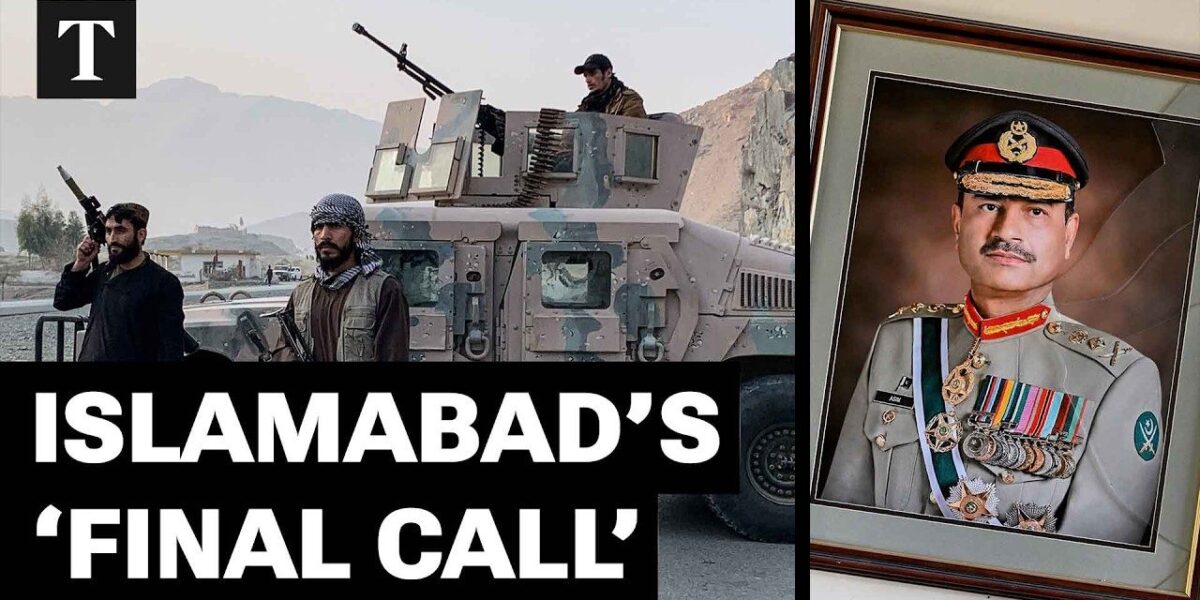
Pakistan Launches Airstrikes in Afghanistan Amid Escalating Tensions
In a significant escalation of regional conflict, Pakistan has launched airstrikes targeting the Afghan capital of Kabul and other major cities. The military action, which began in the early hours of the morning, marks a declared “open war” by Pakistan against Afghanistan, following a series of increasingly violent border clashes and a major offensive by the Afghan Taliban against Pakistani military posts. The international community, including the UK’s Foreign Secretary, has expressed deep concern over the escalating tensions.
Root Causes: Pakistan’s Grievances Against Afghan Taliban
The primary catalyst for Pakistan’s military action appears to be its long-standing grievance that the Afghan Taliban are providing safe havens and support to various terrorist organizations. Dr. Kamar Chima, a journalist and political strategist based in Islamabad, highlighted the core demands from Pakistan: the dismantling of terrorist infrastructure, the closure of training camps, the elimination of safe havens within Afghanistan, and an end to all support for the Tehrik-i-Taliban Pakistan (TTP).
“Pakistan’s sovereignty has been challenged because Afghan Taliban are supporting non-state actors, terrorist organizations including al-Qaeda, Islamic State, Tehrik-i-Taliban Pakistan and many other terrorist outfits which are operating at the Afghan soil,” stated Dr. Chima.
Dr. Chima emphasized that Pakistan, invoking Article 51 of the UN Charter concerning the right to respond, believes it is justified in striking military targets within Afghanistan, particularly TTP hideouts. He indicated that these strikes would continue until the Afghan Taliban provide a written commitment, similar to the one given to the United States regarding al-Qaeda and inclusive governance, that Afghan soil will not be used against Pakistan.
The Afghan Taliban’s Stance and International Precedents
The transcript suggests a pattern of behavior from the Afghan Taliban, drawing parallels to their past actions. Dr. Chima noted that in 2001, the Taliban did not hand over al-Qaeda leadership to the United States, which ultimately led to regime change. He posits that the current Afghan Taliban leadership views these terrorist organizations as ideological brethren and may be unwilling to turn against them, especially when commitments are readily given to Western nations but not to neighboring Pakistan.
“Unfortunately, they are ready to give that commitment to the western world but not to the neighboring country Pakistan with whom they have to whom they share 40% of their export… and Afghanistan’s businessmen earned 50% revenue from Pakistan.”
Economic Repercussions and Border Closure
The conflict has already had significant economic consequences. Pakistan has previously imposed de facto economic sanctions by closing its border, a move that has deeply affected the Afghan population. Dr. Chima explained that the border closure has disrupted livelihoods, hindered access to essential services like healthcare (as many Afghans previously sought treatment in Pakistan), disrupted education for Afghan students, and impacted business activities, particularly given the lack of robust banking infrastructure in Afghanistan.
Expert Analysis: A Stark Choice for the Taliban
Dr. Farzana Shik, an associate fellow of the Asia-Pacific program at Chatham House and an expert on Pakistan, provided further context, describing the situation as a “very sharp escalation in militant attacks against Pakistan for which Pakistan blames the Taliban in Afghanistan.” She explained that since the Taliban’s return to power in 2021, there has been a significant increase in attacks within Pakistan, with the Pakistani establishment believing that Afghanistan offers safe havens and support to groups like the TTP.
Dr. Shik highlighted that a ceasefire agreement brokered by Qatar and Turkey in October had seemingly failed, as cross-border attacks continued. The recent “atrocious attack against a Shia mosque” near Islamabad appears to have been the final catalyst, leading Pakistan’s military and political establishment to conclude that diplomacy has failed and coercive action is the only remaining option.
“It’s clear now and certainly clear from statements coming out this morning that the establishment in Pakistan, the military and political establishment have lost patience with with Afghanistan and have decided that diplomacy has run its course and that coercive action is the only option.”
Military Balance and Future Outlook
When asked about the military balance, Dr. Shik acknowledged Pakistan’s significant military strength as a nuclear power with a large standing army. However, she cautioned against underestimating the Afghan Taliban, citing their decades-long experience in warfare against powerful adversaries like the Soviet Union and the United States. Despite this, the current situation presents the Afghan Taliban with a stark ultimatum, as articulated by the Pakistani army spokesperson: they must choose between aligning with terrorist organizations or maintaining a relationship with Pakistan.
What’s Next?
The immediate future hinges on the Afghan Taliban’s response to Pakistan’s forceful ultimatum. Whether they will dismantle terrorist infrastructure and provide assurances against the use of their soil for attacks, or continue their current path, will determine the trajectory of this volatile conflict. The international community will be closely watching to see if diplomatic channels can be re-established or if the region is headed for prolonged instability.
Source: Taliban In Afghanistan Must Chose Between ‘Terrorists And Pakistan’ (YouTube)

Related Articles


Oil Prices Surge to $91 Amid Geopolitical Tensions
Oil prices have surged to $91 a barrel, driven by disruptions in the Strait of Hormuz. This is leading to higher gas prices across the U.S., with California facing particularly steep costs. The situation is fueling debate on energy policy, exports, and the transition to renewable fuels.

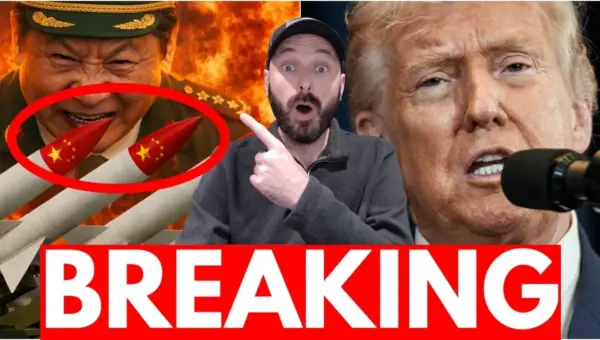
China’s Iran Gambit: Deception or a New World Order?
President Trump claims China will stop sending weapons to Iran, but deep skepticism remains due to China's past support and use of spy satellites to aid Iran. This move could be a strategic ploy to weaken the US military.
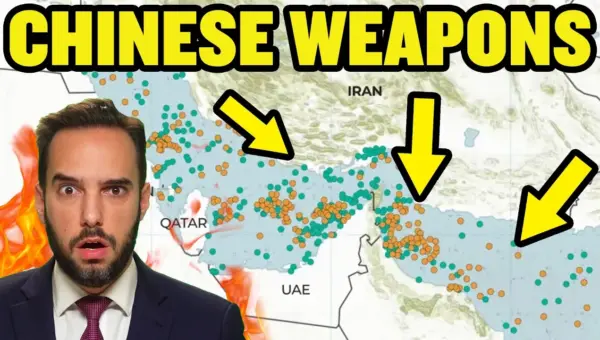
China Aids Iran Amid US Conflict Escalation
Recent intelligence suggests China is secretly supplying Iran with weapons like MANPADS and sharing critical intelligence, a significant escalation from its previous stance. This move, if confirmed, could deepen regional conflict and lead to severe US economic retaliation, while highlighting long-standing strategic ties between Beijing and Tehran.