US Officials Evacuate Israel Amidst Escalating Iran Tensions
U.S. officials are being evacuated from Israel, and multiple countries are warning citizens to leave Iran, sparking fears of imminent U.S. military strikes. The coordinated international advisories suggest a significant escalation in tensions, with speculation mounting about the nature and purpose of potential U.S. action against Iran.

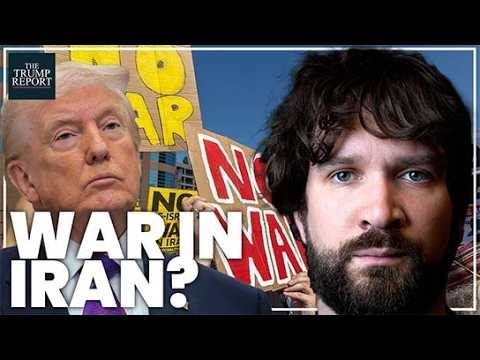
US Officials Evacuate Israel Amidst Escalating Iran Tensions
In a significant development signaling heightened geopolitical tensions, the U.S. Department of State has authorized the departure of non-emergency U.S. government officials, personnel, and their family members from Israel. While not officially termed an emergency evacuation, the directive indicates a serious concern for safety in the region, coinciding with a similar advisory from China urging its citizens to leave Iran immediately. The move has fueled speculation that the United States may be preparing for potential military action against Iran.
International Warnings Escalate
The U.S. directive follows a series of alarming indicators. Reports suggest that major Israeli cities have opened bomb shelters, and IDF soldiers have been called up for air defense services. Canada has issued its strongest travel advisory, urging citizens to avoid all travel to Iran and to leave if already present. India and Germany have also followed suit with similar warnings for their citizens in Iran. This coordinated international caution has amplified concerns about an imminent conflict.
“It seems like it is. Yeah, that that would be my guess… it seems like we’re probably gearing up for something.”
Destiny, Podcaster and Gamer
Speculation of U.S. Strikes on Iran
The synchronized nature of these advisories has led many to interpret them as precursors to U.S. military strikes. Podcaster and gamer Destiny, speaking on The Trump Report, suggested that these actions strongly indicate preparations for military engagement. While the exact nature of potential strikes remains unclear – whether targeting nuclear enrichment sites or aiming for regime change – the current geopolitical climate points towards an escalation.
“I was trying to figure out like why they wouldn’t issue uh like something to leave Iran,” Destiny noted, adding, “But yeah, I mean, it seems like we’re probably gearing up for something. I’m not entirely sure if the goal this time will be like a full-on attacks needed to do some kind of regime change stuff or if it’s more just attacks on potential nuclear enrichment sites or what the plan is.”
Regime Change vs. Nuclear Program: The Core Question
A central question surrounding the potential U.S. actions is the underlying motive: is it aimed at curbing Iran’s nuclear program, or is it driven by a desire for regime change? Analysts suggest that while the Iranian population expresses significant discontent with the current regime, any U.S. intervention would likely be shaped by the political interests of the current U.S. administration and its allies, rather than solely the welfare of the Iranian people.
Destiny drew a parallel to the situation in Venezuela, illustrating the complex dynamics of foreign intervention. “It would be like getting beaten up by I guess in the United States examples like like a black guy’s beating you up and somebody shows up and and stops him but he’s like a Klux clansman and it’s like well thanks I guess but the guy just showed up because he wanted to you know beat up a black guy,” he explained, highlighting the potential for U.S. foreign policy actions to be driven by self-interest, even if they align with certain popular sentiments.
Congressional Opposition and Public Sentiment
Amidst these escalating tensions, House Democrat leadership has confirmed plans to force a vote on a bipartisan resolution aimed at preventing President Trump from striking Iran without congressional approval. However, the effectiveness of such a resolution remains uncertain, given the strong political and historical ties between the U.S. and Israel, and the generally negative perception of the Iranian regime within the United States.
Public sentiment in the U.S. regarding a potential conflict with Iran appears divided. Polling data indicates a significant portion of Americans do not want U.S. involvement in another war. However, concern over Iran’s nuclear program is high. Destiny suggested that public support might be more forthcoming for limited strikes on nuclear facilities rather than a full-scale military operation.
“When it comes to like limited strikes on Iranian nuclear facilities and everything, you probably find enough support there to do the attacks and walk away and feel like you’re still like politically viable be my guess.”
Destiny, Podcaster and Gamer
Questions Surrounding Diplomatic Efforts and Negotiators
The current situation also raises questions about the efficacy of recent diplomatic efforts. Despite ongoing discussions aimed at resolving Iran’s nuclear program, the escalating rhetoric and military posturing suggest these talks may have reached an impasse. The role of informal negotiators, such as Steve Bannon and Jared Kushner, in mediating international conflicts has also come under scrutiny, with concerns raised about their lack of Senate confirmation and oversight.
Senator Tom Tillis, among others, has voiced skepticism regarding agreements brokered by individuals not subject to official U.S. governmental processes. “An agreement that doesn’t be that bill on Capitol Hill that gets ratified by US Congress is it worth the paper it’s written on?” Tillis questioned, emphasizing the need for formal ratification to ensure long-term stability.
The Epstein Files and Delayed Consequences
The discussion also touched upon the ongoing revelations from the Jeffrey Epstein files and the varying degrees of consequences faced by individuals implicated. While prominent figures in Europe and the UK have resigned from their positions, the response in the United States has been perceived as less robust. Destiny suggested that this disparity might stem from differing appetites for dealing with controversial figures in public life.
Recent controversy has erupted over the U.S. Department of Justice’s handling of the Epstein files, with allegations of delayed and redacted releases, particularly concerning documents related to Donald Trump. Democratic lawmakers have called for the immediate public release of these files, arguing that the administration’s actions make it appear guilty and that selective redaction, especially of victim testimonies, is unacceptable.
Looking Ahead: Awaiting the Next Move
As the international community watches closely, the confluence of official evacuations, heightened military readiness, and diplomatic challenges creates a volatile environment. The coming days and weeks will be critical in determining whether these actions signal an impending conflict or a renewed push for de-escalation. The focus remains on the strategic decisions made by the U.S. administration and the responses from Iran and its allies.
Source: Trump’s ‘countdown’ to strike Iran has now been started | Destiny (YouTube)

Related Articles

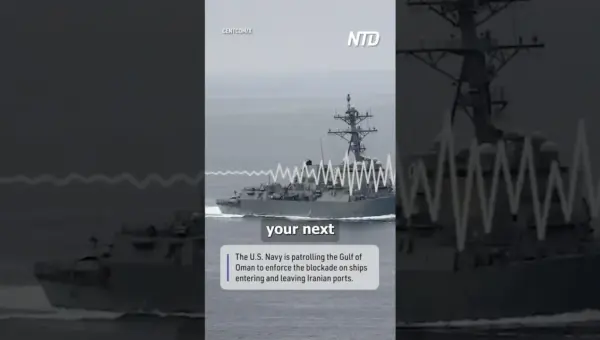
Navy Tightens Grip: US Enforces Strict Blockade on Iran
The US Navy has formally declared a blockade on Iranian ports, warning all vessels to turn back or face boarding and seizure. This significant move aims to exert economic and political pressure on Iran, with explicit threats of force for non-compliance.
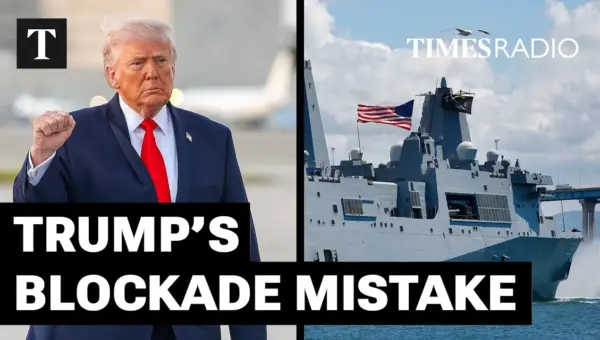
Iran Blockade Sparks War Concerns, Backfires on US, Expert Warns
The U.S. blockade on Iranian ports, aimed at crippling its economy, is sparking concerns of an "act of war" and may backfire, according to former diplomat Barbara Leaf. While the U.S. and Iran prepare for potential peace talks, hardline rhetoric and the blockade's global economic impact complicate diplomatic efforts. A key concern is a potential confrontation with China if U.S. forces intercept Chinese vessels.
US Markets Surge as Iran Tensions Ease, Oil Prices Steady
U.S. stock markets are hitting new highs as tensions with Iran ease, with the S&P 500 reaching record levels. Despite persistent oil prices around $92 a barrel, the U.S. economy shows resilience, boosted by record oil exports. The focus is shifting to the economic confrontation with Iran, including the non-renewal of oil sales waivers, and long-term strategies to bypass the Strait of Hormuz.