Pentagon’s AI Ultimatum Puts Anthropic in a Bind
The U.S. Department of Defense has issued an ultimatum to AI firm Anthropic, demanding access to its technology or facing a supply chain risk designation. This standoff puts Anthropic in a difficult position, potentially impacting its reputation and future business.

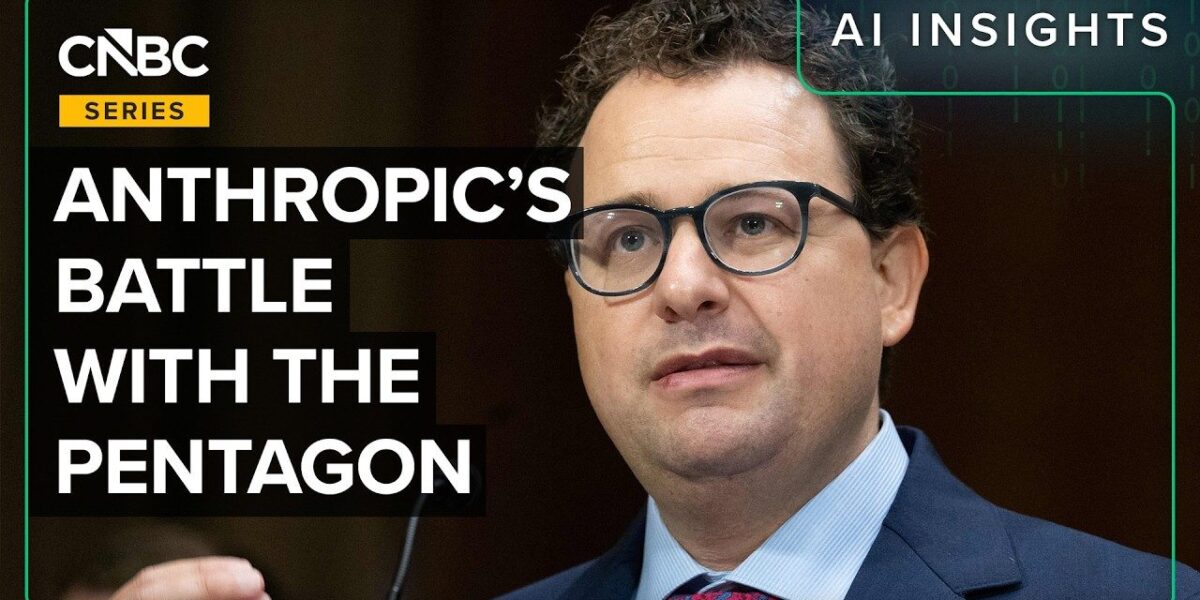
Pentagon’s AI Ultimatum Puts Anthropic in a Bind
The U.S. Department of Defense has presented artificial intelligence firm Anthropic with a stark choice: grant the government unfettered access to its AI models or face being labeled a supply chain risk. This escalating standoff, detailed by sources close to the matter, places Anthropic in a precarious position, potentially impacting its reputation and future business prospects.
Supply Chain Risk Designation Looms
The Department of Defense is reportedly laying the groundwork to designate Anthropic as a supply chain risk, a classification typically reserved for companies with ties to geopolitical adversaries, such as Huawei. This move, if enacted, would signal a significant escalation in the dispute. According to reports from Axios, the Pentagon has already begun inquiring with major defense contractors like Boeing and Lockheed Martin about their reliance on Anthropic’s AI model, Claude.
Defense Production Act as a Potential Lever
Further complicating matters, the U.S. government may invoke the Defense Production Act. This emergency authority could allow the administration to compel Anthropic to provide access to its technology. A senior Pentagon official confirmed to CNBC that the Department of Defense issued its final offer to Anthropic on Wednesday night, seeking access to Claude for all lawful purposes.
Investors Perceive a ‘Lose-Lose’ Scenario
For Anthropic investors, the situation is viewed as a significant dilemma for CEO Dario Amodei, often described as a ‘lose-lose’ battle. On one hand, capitulating to the administration’s demands could undermine Anthropic’s commitment to safety standards, a key differentiator that has fostered trust among its enterprise clientele. This trust has been instrumental in the company’s success in the enterprise AI market.
Conversely, refusing the government’s requests risks alienating the White House, a scenario that CEOs are keen to avoid due to potential reputational damage by association. The delicate balancing act between maintaining its safety-first image and navigating federal demands presents a formidable challenge for Anthropic’s leadership.
Contract Value vs. Future Implications
While the immediate financial implications of the potential government contract appear modest—estimated at around $200 million against Anthropic’s reported $14 billion in revenue—the long-term consequences could be far more substantial. Some investors worry that the current dispute could cast a shadow over Anthropic’s future enterprise business, potentially creating a chilling effect on its total addressable market.
The value proposition of AI companies often hinges on their perceived trustworthiness and adherence to ethical guidelines. A protracted conflict with a major governmental entity, particularly one involving national security concerns, could erode customer confidence, especially among enterprise clients who prioritize robust security and ethical AI deployment.
Anthropic’s Stance and Path Forward
Anthropic has publicly stated that it is actively working towards a resolution with the government. The company’s ability to navigate this complex geopolitical and commercial landscape will be critical in shaping its trajectory. The outcome of this standoff could set a precedent for how AI developers interact with government entities, particularly concerning access to sensitive technologies and the balance between national security imperatives and corporate autonomy.
Market Impact and Investor Considerations
What Investors Should Know:
- Reputational Risk: The core of Anthropic’s business relies on trust, particularly concerning AI safety and ethical deployment. Any perceived compromise could damage its brand among enterprise customers.
- Government Relations: Alienating a key governmental body like the Department of Defense can have ripple effects, impacting future opportunities and potentially attracting further scrutiny.
- Market Precedent: The way this situation resolves could influence how other AI companies engage with government demands, potentially setting new standards for technology access and classification.
- Long-Term Growth: While the immediate contract value is not material, the perceived risk to Anthropic’s total addressable market and future enterprise contracts is a significant concern for long-term investors.
The standoff between Anthropic and the Pentagon underscores the growing tension between the rapid advancement of AI technology and the regulatory and national security frameworks attempting to keep pace. As AI becomes increasingly integrated into critical infrastructure and defense systems, such disputes are likely to become more common, testing the agility and strategic foresight of both technology firms and governmental bodies.
Source: Why Anthropic Faces A 'Lose-Lose' Battle As It Faces Off With The Pentagon (YouTube)

Related Articles

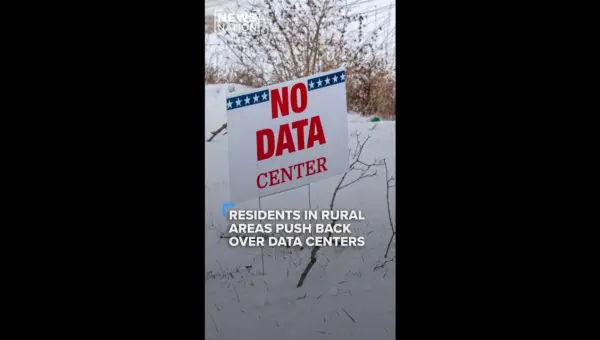
Data Centers Spark Rural Uprising Over Land and Power
Rural communities are fighting back against the rapid expansion of data centers, citing concerns over massive energy consumption and changes to their land. These facilities, vital for AI technology, are straining local power grids and raising questions about the balance between digital progress and community well-being.


Lawmaker Demands UAP Videos Citing National Security Risks
Congresswoman Anna Paulina Luna has demanded the release of 46 UAP videos from the Defense Department, citing national security concerns. The videos reportedly show phenomena operating outside known physics, with some experts calling them "interdimensional." This call for transparency comes as UAP investigations move from the fringe to the mainstream, with past reports and testimonies raising significant questions.
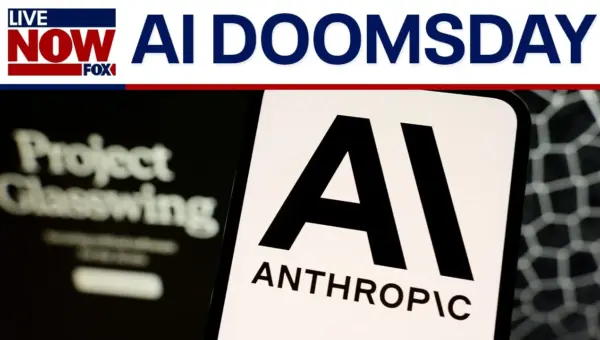
New AI Model Sparks Doomsday Fears, Experts Urge Caution
A new AI model from Anthropic, 'Claude Mythos,' is causing alarm due to its ability to find security vulnerabilities faster than humans. Experts and the company itself are concerned about potential misuse, leading to a delayed public release and collaborative testing with major tech firms. The development highlights growing public anxiety over AI's rapid advancement and its potential societal impacts.