NHS Maternity Scandal: New Review Highlights Widespread Failings
A new interim report on NHS maternity services reveals widespread failings, including structural racism and a cover-up culture, echoing the tragic experiences of families like Katie and Rob. The findings raise urgent questions about the effectiveness of current reviews and the possibility of a public inquiry.

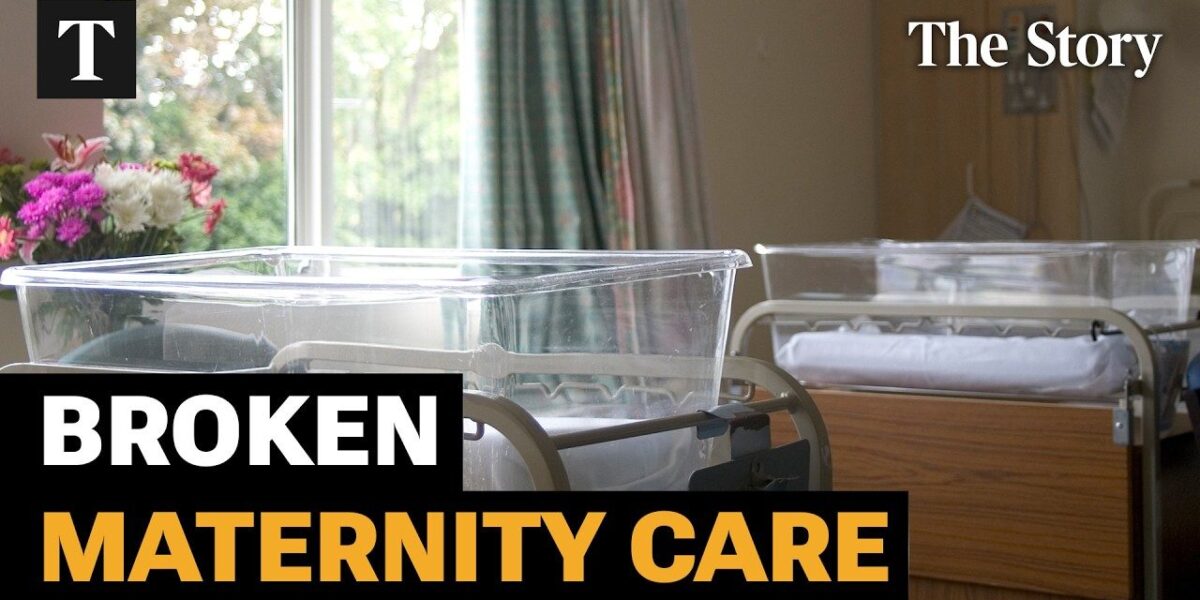
NHS Maternity Crisis: Interim Review Reveals Pervasive Issues
A stark interim report released today from a government-commissioned review into NHS maternity services in England has underscored the depth and breadth of systemic failings, revealing widespread issues that echo previous investigations and leave families feeling frustrated and unheard. The review, led by Baroness Helene Haywood, highlights critical concerns including structural racism, a pervasive cover-up culture, and severe understaffing, painting a grim picture of care for expectant mothers and newborns.
Families’ Experiences: A Cycle of Trauma
The report’s findings resonate with the harrowing experiences of families like Katie and Rob, who shared their story of tragedy and loss. Their daughter, Abigail, died in 2021 due to failings in care during labor. Despite repeated calls to the maternity assessment unit when Katie began bleeding and struggling to breathe, they were repeatedly told not to worry.
It was only through Rob’s persistence that the severity of the situation was eventually acknowledged, but by then, it was too late. Katie suffered a cardiac arrest and required an emergency C-section, while Abigail tragically died shortly after birth. An inquest later confirmed care failings as the cause of Abigail’s death.
“I felt frustrated and a bit disappointed. To me, it doesn’t feel like our experiences are front and center.”
Katie and Rob’s experience is not isolated. The review’s interim findings suggest that over half of maternity units across England are not deemed safe, and hundreds of mothers and babies have suffered preventable harm or death. The report’s emphasis on known issues, such as understaffing and structural racism, has led some families to question the necessity of yet another review.
Key Findings: Racism, Cover-ups, and Understaffing
The interim report, commissioned by Health Secretary Wes Streeting last summer, focused on 12 underperforming NHS trusts. Among the most alarming findings is the extent of structural racism within maternity care.
The report details how some NHS staff stereotype pregnant women, with Asian women being described as unable to cope with pain and Black women perceived as tough and not requiring pain relief. This stereotyping can lead to critical symptoms being overlooked.
Another deeply concerning issue highlighted is the ‘cover-up culture.’ The report points to a system where stillbirths are not subject to coroner’s inquests, unlike neonatal deaths. This distinction, the report suggests, incentivizes the NHS to classify deaths as stillborn, even when there are signs of life.
Families are thus denied the opportunity for an inquest, leading to profound distress and uncertainty about whether their baby was alive at birth. The report uses the term ‘gaslighting’ to describe the lack of transparency and the way women are often left to blame themselves for outcomes that are the result of systemic failures.
Severe understaffing is also identified as a pervasive problem, leading to staff being diverted from postnatal wards to delivery suites. This leaves new mothers, who may be recovering from childbirth or dealing with complications, struggling to access essential care. The report suggests that this chronic lack of staff contributes to a decline in morale and a compassionate approach, with some midwives feeling ashamed of their profession due to the ongoing scandals.
Criticism of the Review Process
Despite the critical nature of the findings, the review has faced criticism for its approach. Families who have experienced severe harm argue that the problems are already well-documented and that the focus should be on immediate action and recommendations, rather than further investigation. The lack of concrete recommendations in the interim report has led some to label the review as ‘toothless,’ particularly when compared to the potential power of a statutory public inquiry.
Rob and Katie expressed their frustration that the interim report does not yet draw conclusions about the root causes of these problems or offer solutions. They also noted the absence of a section specifically addressing avoidable harm and death, a key area they expected to see discussed, especially given the similarities they observe between cases within their support group.
“We know what a lot of the problems are. We know there aren’t enough midwives. We know there’s structural racism…
We know that women aren’t listened to. Why do we need another review to tell us those things we already know?”
The Call for a Public Inquiry
Many families, including Katie and Rob, believe that only a statutory public inquiry can truly get to the root of the issues plaguing NHS maternity services. Such an inquiry, they argue, would have the power to compel witnesses and evidence, ensuring a thorough examination of the systemic failures and leading to fundamentally transformative solutions. They feel that current reviews are too superficial and risk wasting valuable time while more women and babies suffer.
Baroness Amos has not ruled out recommending a statutory inquiry in her final report, which is due in the spring. Health Secretary Wes Streeting has stated that the findings will inform the creation of a national maternity and neonatal task force, aimed at developing a new action plan. While the government has announced efforts to recruit more midwives and invest in maternity estates, questions remain about whether these measures are sufficient to address the scale of the problem.
Looking Ahead: Action or Apathy?
The interim findings of the Baroness Amos review serve as a critical, albeit familiar, warning about the state of NHS maternity care. The report confirms that the issues are not isolated incidents but rather cultural failings that permeate the entire system.
As the final report approaches, the focus will shift to whether the government will implement radical changes, backed by significant investment, or if the findings will once again lead to incremental adjustments that fail to address the deep-seated problems. The experiences of families like Katie and Rob highlight the urgent need for transparency, accountability, and a fundamental shift in how maternity care is delivered in England.
Source: NHS Maternity Scandal: Findings From The 2026 Review (YouTube)

Related Articles


Senator Defends Judgment Amid Friend’s Scandal
Senator Krysten Sinema held a press conference to address rumors linking her to Congressman Eric Swalwell's scandal. She admitted her close friendship "clouded her judgment" and that Swalwell lied to her, but maintained she had no knowledge of his alleged predatory behavior. Sinema expressed belief in the women who have come forward and called for greater accountability within Congress.


Health Minister Defends NHS Reforms Amid Defense Criticism
Health Minister Karen Smith announced new community diagnostic centers to boost NHS testing capacity and cut wait times. The move aims to bring care closer to patients and improve survival rates. The minister also defended the government's defense spending plans amid sharp criticism from a former NATO chief.


Scandal Ousts Congressman, Reshapes California Politics
Representative Eric Swalwell has resigned from Congress following serious allegations of sexual assault and improper use of campaign funds. The scandal forced his withdrawal from the California governor's race and triggered investigations by Homeland Security and the House Ethics Committee.