US Military Buildup Near Iran: Domestic Resistance Slows Attack?
The US has amassed significant military forces near Iran, but domestic opposition and ongoing nuclear talks may be deterring immediate conflict. As diplomatic negotiations continue, the divergent demands of both nations and the potential for escalation remain critical concerns.

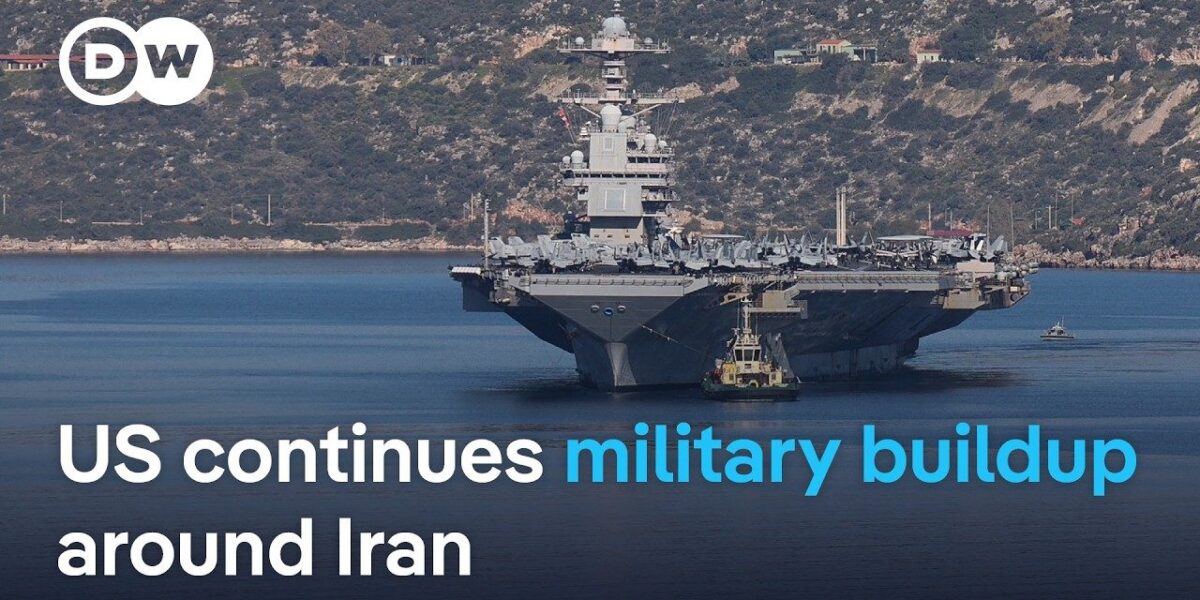
US Military Massing Forces, But Domestic Opposition Grows
The United States has significantly increased its military presence in the Middle East, deploying warships and aircraft near Iran amidst escalating tensions over its nuclear program. The USS Gerald R. Ford, the world’s largest aircraft carrier, has departed from Greece, joining a substantial fleet in the region—the largest American military buildup in over two decades, since the invasion of Iraq. This strategic positioning, including vessels like the USS Abraham Lincoln observed off the coast of Oman, has fueled speculation about potential US military action against Iran. However, a growing domestic resistance within the United States, coupled with ongoing, albeit indirect, nuclear talks, may be complicating President Trump’s decision-making.
Nuclear Negotiations Continue Amidst Broader Demands
Indirect negotiations between the US and Iran concerning Tehran’s nuclear activities have concluded their latest round in Geneva with mediators reporting significant progress. Further talks are scheduled for Vienna next week, widely viewed as a critical juncture to avert military conflict. The US accuses Iran of pursuing nuclear weapons, a claim vehemently denied by Tehran. Iranian President Massud Peshkan has stated his country is not seeking nuclear armament. However, Iranian Foreign Minister Abasar indicated on Wednesday that while Iran is open to dialogue and addressing concerns, it will not relinquish its “right for peaceful use of nuclear technology.” This stance highlights a fundamental disagreement, as the US demands extend beyond the nuclear program to include Iran’s ballistic missile capabilities and its regional influence.
“We are ready to answer questions. We are ready to remove concerns, but we are not ready to give up our right for peaceful use of nuclear technology. This is what we are what we demand.” – Iranian Foreign Minister Abasar
Divergent Negotiation Agendas and Escalation Risks
The core of the current diplomatic challenge lies in the diverging agendas. While technical discussions focus on nuclear enrichment, the US, under President Trump, has broadened the scope to include Iran’s ballistic missile program, which Washington claims can threaten US interests and allies. Furthermore, discussions around regime change have been alluded to, pushing the negotiations far beyond the original framework of the 2015 Joint Comprehensive Plan of Action (JCPOA). Trump’s administration withdrew from the JCPOA in 2018, a move that had previously aimed to provide transparency into Iran’s nuclear activities. Experts express skepticism that even a renewed nuclear agreement would satisfy the broader demands of the US or definitively de-escalate military tensions.
Domestic Opposition and Congressional Scrutiny
Despite the visible military posturing, significant domestic headwinds are challenging the prospect of an immediate US attack on Iran. Recent polls indicate that only 27% of Americans support military action against Iran. Moreover, actions within the US Congress are seeking to curb the President’s authority to engage in hostilities. A debate scheduled for Tuesday aims to limit President Trump’s power to launch an attack. This congressional oversight, coupled with Trump’s campaign promise to end “America’s forever wars,” presents a complex political landscape. While the President has assembled substantial military assets, he appears to be facing considerable resistance at home, raising questions about how he might project a narrative of victory without direct military engagement.
Iranian Military Posture and Internal Dissent
In response to the heightened tensions and US military buildup, Iran has showcased its own military drills, broadcast on state television, serving as a clear warning to Washington. Tehran has also threatened escalation in the event of any American attack. This display of military readiness occurs against a backdrop of internal challenges for the Iranian regime. Earlier this year, reports emerged of a brutal crackdown on protesters, with some estimates suggesting thousands killed. Speculation about plans to overthrow Iran’s leadership has circulated, particularly during periods of escalation. However, experts caution that while many Iranians desire regime change and an end to repression, the effectiveness and desirability of achieving this through external military intervention remain highly uncertain, with unpredictable post-conflict scenarios.
The Path Forward: Diplomacy or Escalation?
The coming weeks will be crucial in determining the trajectory of US-Iran relations. The upcoming round of talks in Vienna offers a potential, albeit narrow, window for diplomatic resolution. However, the gulf between US demands and Iran’s stated red lines, particularly concerning its nuclear program and regional activities, remains substantial. The interplay between the visible military deployments, the ongoing diplomatic efforts, and the internal political dynamics within both the US and Iran will shape whether a path towards de-escalation can be found or if the region is headed towards further conflict.
Source: Is domestic resistance keeping the US from attacking Iran? | DW News (YouTube)

Related Articles


FBI Docs Contradict Melania’s Epstein Introduction Claims
Newly surfaced FBI documents challenge Melania Trump's recent claims about not being introduced to Donald Trump by Jeffrey Epstein. Witness testimony suggests Epstein facilitated the introduction, contradicting Melania's public statements and raising questions about her associations and those of figures like Paulo Zampoli.
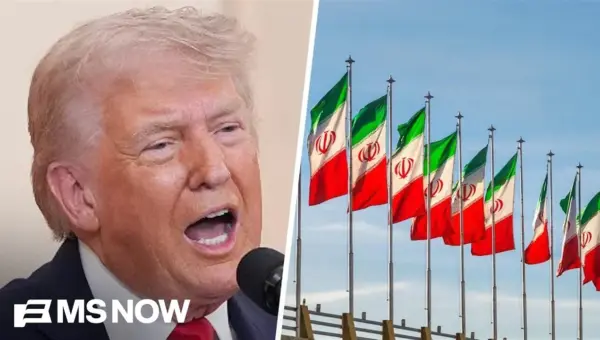
Iran War Disliked, But Public Outrage Muted: Analysts Weigh In
Despite widespread disapproval of the Iran war, public protests remain muted in the US. Analysts cite fear of reprisal, the prolonged nature of anti-war movements, and America's energy independence as key factors. The conflict's economic impact and the lack of clear objectives continue to fuel public skepticism, though widespread suffering is not yet felt domestically.

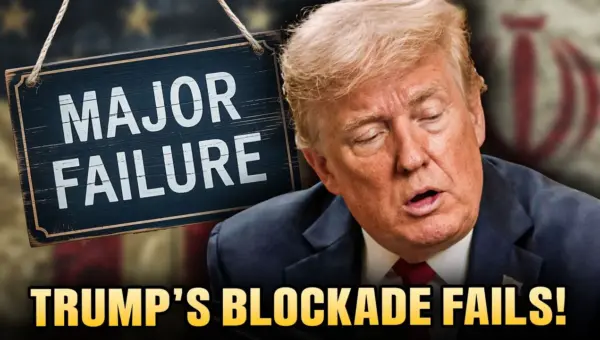
Trump’s Blockade Fails, Allies Shun Mission: A Pattern?
A reported failure of Donald Trump's blockade of the Strait of Hormuz, with ships passing through unimpeded, raises questions about policy effectiveness. This incident, coupled with allies' reluctance to join the mission, suggests a pattern of unintended consequences and strained international relations.