Israel’s Aid Agency Ban Faces Supreme Court Challenge
Israel's Supreme Court is set to rule on new regulations that could ban dozens of aid agencies from operating in Gaza and the West Bank. The controversial rules require NGOs to comply with a stringent registration process, which many deem arbitrary and in violation of international law. The potential withdrawal of organizations like Doctors Without Borders raises significant concerns for humanitarian efforts in the region.

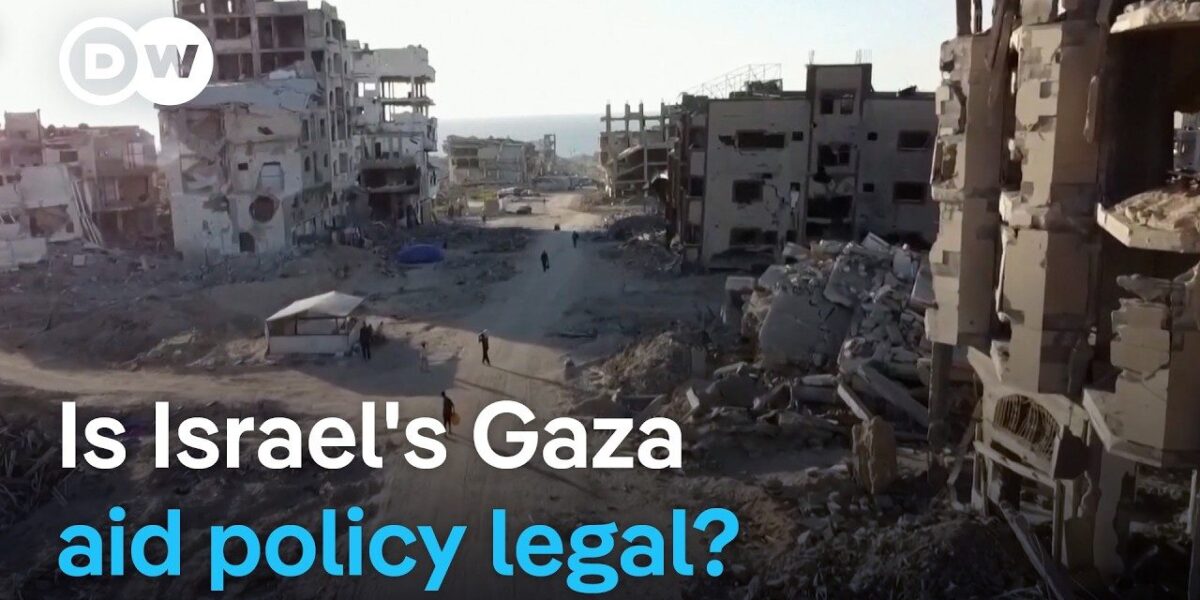
Supreme Court to Decide Fate of Aid Agencies in Gaza and West Bank
Israel’s Supreme Court is poised to deliver a pivotal ruling on an order that could compel dozens of humanitarian organizations to cease their operations in Gaza and the occupied West Bank. The impending decision stems from new Israeli regulations that mandate a stringent registration process, threatening the licenses of numerous aid agencies. If the Supreme Court upholds the order, these organizations will be barred from delivering critical supplies and deploying international personnel, significantly impacting humanitarian efforts in the region.
Doctors Without Borders Faces Departure Amidst New Rules
Among the organizations facing imminent disruption is Doctors Without Borders (MSF), a key provider of medical services in Gaza since the current conflict escalated. MSF has been instrumental in supporting field hospitals and operating clinics, including a facility in Rimal, central Gaza City. However, under the new Israeli rules, the organization’s international staff are required to leave Gaza by the end of the month.
“I think this part is really quite distressing and frustrating because unfortunately our work here is not done at all. We have been operating in the Gaza Strip for more than 20 years, and at the moment that is when we are most needed. We have to leave and decrease activities.”
This directive represents a significant blow to MSF’s ability to continue its vital work at a time of immense need. The organization has been a consistent presence in Gaza for over two decades, and the prospect of scaling back operations is a grave concern for both the agency and the vulnerable population it serves.
New Registration Process Sparks Controversy
The new Israeli regulations were announced in December 2025, requiring international non-governmental organizations (NGOs) to comply with a revamped registration process. Israeli authorities assert that these rules are designed to prevent Hamas and other militant groups from infiltrating aid organizations. In a statement, Israeli authorities declared, “Humanitarian aid is welcome. Terror under the guise of humanitarianism is not.”
However, many aid organizations have opted not to renew their registration, deeming the rules arbitrary and contrary to established international law. They argue that the regulations violate core humanitarian principles, specifically neutrality and independence, which are essential for effective and impartial aid delivery. The new requirements include registering the names of all Palestinian employees and providing detailed information about funding sources.
Furthermore, Israeli authorities reserve the right to revoke an organization’s license if it is perceived to be delegitimizing the state of Israel, targeting Israeli soldiers with legal campaigns, or denying the atrocities of October 7th. This broad scope for revocation has fueled concerns among humanitarian groups about potential political interference in their operations.
Aid Groups Cite Political Motivation and Increased Control
The decision by many organizations, including Doctors Without Borders, not to complete the registration process stems from their belief that the new regulations are politically motivated. An MSF representative indicated, “We know that of course Israeli authorities, they are not happy about MSF has described the situation on the ground used just genocide word etc. So this is why we decided that we will not go till the end of the registration process.” This suggests a fundamental disagreement over the framing of the conflict and the role of humanitarian organizations.
Many international NGOs contend that the new regulations are an attempt by Israel to exert greater control over the flow of aid and the activities of organizations operating in the Palestinian territories. Israel, conversely, maintains that the impact of these decisions on the ground will be limited, pointing out that some international NGOs continue to operate alongside UN agencies and Palestinian NGOs during the ongoing Gaza war.
Humanitarian Impact and International Law Concerns
The potential withdrawal of numerous aid agencies raises serious concerns about the humanitarian consequences for the population of Gaza. The UN has reported that over 580 humanitarian workers have been killed in the conflict, highlighting the perilous environment in which aid is delivered. The ability of organizations to bring in essential medical supplies and skilled international staff is crucial for saving lives amidst the ongoing crisis.
Doctors Without Borders has emphasized that the issue extends beyond staffing. “The issue is not only the staffing, the international staff who used to come to Gaza, whether physicians or technicals that were used to help and to save the lives of the hundreds, tens of thousands of people. But also the the supplies,” the organization stated. They argue that denying entry for supplies and staff to organizations that do not comply with the new system constitutes a grave violation of international humanitarian law and its core principles.
Looking Ahead: A Critical Legal Juncture
The Israeli Supreme Court’s upcoming ruling represents a critical juncture for humanitarian operations in Gaza and the West Bank. The decision will not only determine the immediate future of dozens of aid agencies but also set a precedent for the operational space of international NGOs in areas affected by conflict and political tension. The world will be watching closely to see whether the court prioritizes Israel’s security concerns or upholds the fundamental principles of humanitarian aid and international law.
Source: Israel's Supreme Court to rule on aid agencies ban | DW News (YouTube)

Related Articles

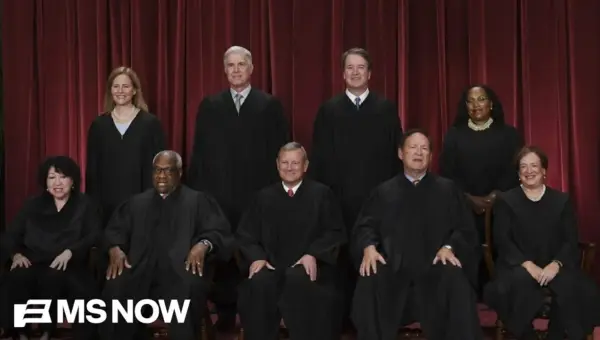
Supreme Court’s Legitimacy Tested: A Look Inside
The Supreme Court is increasingly seen as the "last branch standing" to resolve national disputes, a role that strains its legitimacy. Author Sarah Isker's new book, 'Last Branch Standing,' examines the court's internal dynamics and its complex relationship with public opinion and other branches of government.


Sanders Slams Trump’s DoorDash Stunt Amid War and Economic Woes
Senator Bernie Sanders sharply criticized President Trump's focus on a DoorDash "stunt" while American families struggle with rising costs and medical expenses. Sanders is forcing a vote to block nearly half a billion dollars in arms sales to Israel, arguing the conflict exacerbates domestic economic woes.

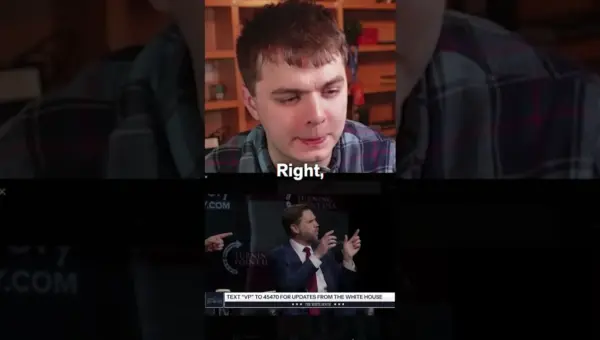
Vance Stumbles as Student Challenges Gaza Claims
Senator JD Vance faced sharp criticism from a college student over his claims about the Trump administration's handling of the Gaza situation. The student challenged Vance's assertions on humanitarian aid and Israel's actions, questioning Vance's ability to lead.