Lavrov Rejects Peace Terms, Russia’s War Effort Falters
Russian Foreign Minister Lavrov has rejected peace terms without Russian gains, a stance seen as a sign of weakness amid battlefield setbacks and economic strain. Ukraine is regaining territory, while Russia struggles with a depleted budget and a faltering military, all while drone attacks increasingly target Moscow.

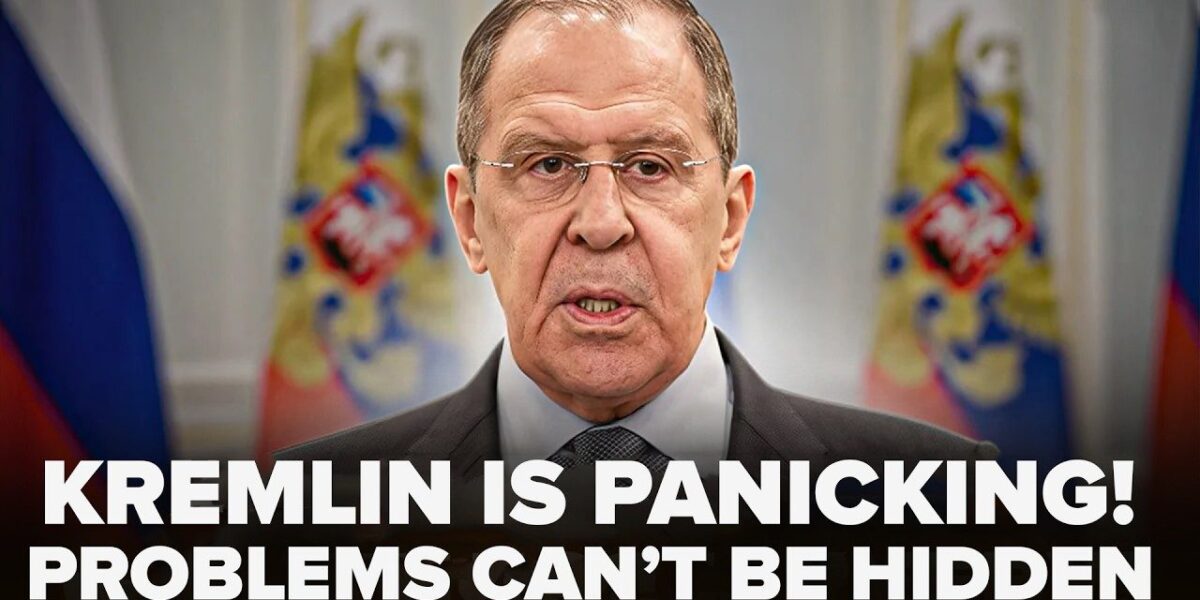
Lavrov Issues Ultimatum on Peace Talks Amidst Shifting Battlefield
In a stark display of Russia’s current geopolitical stance, Foreign Minister Sergey Lavrov declared just hours before peace talks with Ukrainian and American delegations that Moscow rejects any peace terms that do not include Russian territorial gains in Ukraine. This assertion, made by Russia’s top diplomat, has been interpreted by analysts not as a sign of strength, but rather as the rhetoric of a nation struggling to achieve victory while simultaneously refusing to acknowledge defeat.
The unchanging nature of Russia’s negotiation positions over the past year, with the last significant shift occurring eleven months prior when Ukraine was willing to freeze the conflict along current front lines, highlights Moscow’s inflexibility. In contrast, Ukraine’s initial demand for the withdrawal of Russian troops has evolved to a willingness to negotiate based on current territorial control. Russia, however, has offered no comparable concessions, instead escalating its demands and employing what is described as “strange ideas of Russian propaganda,” including references to nuclear weapons.
Battlefield Realities Contradict Kremlin’s Narrative
Recent developments on the ground in Ukraine directly contradict the narrative of Russian progress. While Russia occupied new territories in previous months, February has seen Ukraine actively regaining ground, particularly in the Zaporizhzhia direction. This shift in momentum grants Ukraine a stronger position to demand territorial concessions from Russia, a stark contrast to Moscow’s ongoing claims of success.
Western media reports coinciding with the anniversary of Russia’s full-scale invasion have consistently noted a dramatic slowdown in the pace of Russian attacks. Projections suggest that at the current rate of advance, it would take Russia approximately 1,000 years to occupy all of Ukraine, further undermining any claims of a swift or successful military campaign.
Economic Strain Plagues Russian Federation
Beyond the battlefield, Russia’s economy is facing significant strain, a factor increasingly impacting its war-fighting capabilities. Local budgets within the Russian Federation have experienced a threefold increase in deficits over the past year, exacerbating financial pressures. Revenues from oil and gas, a critical source of income, have reportedly decreased by 40% in the last year.
This economic downturn has direct consequences for the military. Reports indicate that Russia is struggling to mobilize and pay new recruits, a situation described as unprecedented during the war. The inability of regions to fund their budgets and pay soldiers suggests a deeper systemic financial crisis that impedes Russia’s ability to sustain its military operations and find new personnel.
Putin’s Dilemma: Prolong War or Seek a Compromise?
Bloomberg has framed President Putin’s current predicament as a dilemma: prolonging the war risks further economic and political strain, while seeking a peace deal could allow Russia to save face. Analysts suggest that Putin would continue the war if he perceived a viable path forward, but mounting issues such as budget problems, oil import challenges, and internal political instability cast doubt on this possibility.
The upcoming parliamentary elections in Russia, though widely expected to be predetermined, represent a point of potential instability for the current corrupt system. Wealthy individuals who have invested heavily in securing parliamentary seats expect returns, which are increasingly difficult to extract from strained budgets. There is speculation that Putin might seek to end the war before these elections to present a more stable image.
Drone Swarms Undermine Kremlin’s Invincibility Narrative
Recent drone attacks on Moscow, including a swarm of approximately 100 drones targeting the Russian capital, have further challenged the Kremlin’s narrative of the war being a distant conflict and Russian territory being inviolable. These repeated penetrations of Moscow’s airspace, leading to temporary airport closures, directly contradict the image of an untouchable homeland.
Military analysts argue that these attacks are not merely symbolic but are directly linked to battlefield realities. The concentration of Russia’s limited counter-missile systems around Moscow and St. Petersburg leaves other regions and the front lines vulnerable. This strategic diversion of air defense resources allows Ukraine to conduct successful strikes on military arsenals, weapon manufacturers, and oil refineries in other parts of Russia.
The concentration of defenses around Moscow is also seen as a tactic to force Russia to protect its capital at the expense of its forces on the front lines. This strategic choice highlights the pressure Ukraine is exerting, forcing Russia to make difficult military trade-offs.
Shifting Military Capabilities and Soviet Legacy
Evidence suggests a decline in Russia’s military production capabilities. While early in the war, Russia relied heavily on Soviet-era stockpiles, this legacy is being depleted. The cost of producing new missiles, drones, and artillery is significant, and with a fixed military budget, the number of physical assets Russia can deploy has likely declined.
Ukraine’s air defense systems, conversely, are reportedly improving. While Russia has shifted to using more ballistic missiles due to the ineffectiveness of expensive cruise missiles, Ukraine’s air defense, including systems like Patriot, is proving increasingly capable of intercepting these threats. This suggests a growing disparity in air defense effectiveness.
Hungary’s Political Maneuvering and EU Relations
Hungary’s Prime Minister Viktor Orbán has frozen a significant €90 billion aid package to Ukraine, including military assistance, citing Ukraine’s alleged hostility and issues related to the Druzhba pipeline. This move is seen as a political maneuver to strengthen his party’s chances in upcoming parliamentary elections, where polls suggest his party is trailing the opposition.
Analysts believe Orbán is leveraging the conflict with Ukraine to mobilize his electorate. However, it is also suggested that the European Commission, led by Ursula von der Leyen, possesses sufficient leverage over Hungary, a recipient of EU aid, to pressure Orbán into releasing the funds. European leaders are reportedly searching for a formula that allows Orbán to save face while ensuring the aid reaches Ukraine.
Global Perceptions and the War’s Narrative
The war’s narrative has struggled to penetrate global understanding, with many countries, particularly in the Global South, displaying a lack of comprehension regarding its root causes. Some perceive it as a conflict between the United States and Russia, rather than a direct confrontation between Ukraine and Russia. This disconnect suggests that Russian propaganda has been effective in shaping international perceptions.
Even in countries like Israel, where Russian propaganda is less prevalent, a lack of detailed knowledge about the war is observed. Many Israelis, while supporting Ukraine, view the conflict as a European affair, preoccupied with their own regional security concerns. This highlights the challenge of maintaining global focus on Ukraine’s struggle amidst competing international crises.
The perception that Russia’s invasion was not driven by the imminent threat of NATO expansion, as suggested by former German Chancellor Olaf Scholz, further complicates the international understanding of the conflict’s origins. This perception, even among Western leaders, highlights the difficulty in countering Russia’s persistent narratives.
Looking Ahead: The War’s Evolving Dynamics
As Russia faces mounting economic pressures, battlefield setbacks, and an increasingly sophisticated Ukrainian defense, its strategic options appear limited. The upcoming elections in Russia may force a reassessment of its war aims, while international diplomatic efforts continue to seek a resolution that satisfies both geopolitical realities and the need for Ukrainian sovereignty. The effectiveness of Ukraine’s counter-offensive and the continued unity of Western support will be crucial in shaping the war’s trajectory in the coming months.
Source: 😱Lavrov is shouting about failure! Putin still pretends he’s winning. Moscow is panicking hard (YouTube)

Related Articles


Ukraine Jails Ex-Official for Aiding Russian Forces
Former Ukrainian emergency service worker Nelya Chychota has been jailed for collaborating with Russian forces. Accused of spreading pro-Russian information and aiding the enemy, she denied the charges. The conviction highlights Ukraine's efforts to prosecute collaborators.


Israel Strikes Key Iran Leaders, Boosts Regional Security
Israel has eliminated key Iranian militant leaders, including Lar Johnny, a potential successor to the Ayatollah, and Solommani, head of the repressive Beiji militia. The operation, based on extensive intelligence, also killed hundreds of militia members. This significant strike aims to disrupt militant operations and enhance regional security.


Putin’s Internet Shutdown: Paranoia or Precaution?
Russia's recent internet restrictions fuel speculation about President Putin's paranoia, potentially driven by fears of a coup and the weaponization of digital information by adversaries. Actions like buffer zones and dismissals suggest a leader under pressure.