US-Iran Tensions: Diplomacy Continues Amid Escalation Fears
Resumed diplomatic talks between the US and Iran in Geneva offer a glimmer of hope amidst heightened tensions. Despite cautious optimism, significant gaps remain, and the potential for conflict looms large as the Trump administration's pressure campaign continues without clear objectives or predictable outcomes.

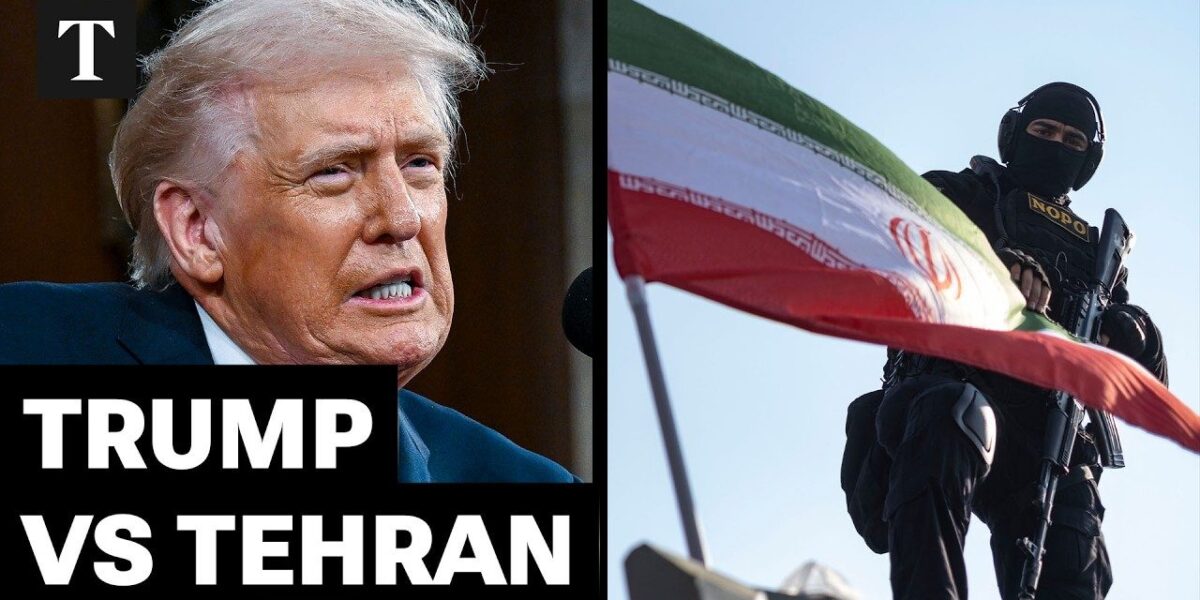
Diplomatic Efforts Resume in Geneva Amidst Heightened US-Iran Tensions
GENEVA – Direct talks between American and Iranian negotiators resumed in Geneva today, with Omani officials describing the exchanges as “creative and positive.” The resumption of dialogue comes at a critical juncture, as the United States, under the Trump administration, has intensified its pressure campaign against Iran, a strategy that has so far failed to coerce Tehran into accepting Washington’s demands. The delicate negotiations aim to navigate a complex web of geopolitical interests, with both sides expressing cautious optimism for a peaceful resolution.
Uncertainty Clouds Prospects for Peaceful Agreement
Despite the resumption of talks, clarity on the state of affairs and the prospects for a peaceful agreement remains elusive. Catherine Philp, World Affairs Editor for The Times, noted that while negotiators do not possess the unilateral authority to alter established positions, the very fact that talks reconvened after consultations with their respective capitals is a positive indicator. “The negotiators on both sides do not have the authority to essentially move the goalposts on their own account,” Philp explained. “They both so so there are red lines that are set by the supreme leader in uh in Tran and there are also consultations possibly more flexible red wines lines in Washington but but nonetheless both of them have to go back and consult with their capitals.” The protracted nature of these consultations suggests a significant distance remains between the two parties, though the commitment to continued dialogue is being viewed as a hopeful sign.
The “Known Unknowns” of Potential Conflict
The ongoing diplomatic efforts occur against a backdrop of significant military posturing. The potential for conflict looms large, with discussions within the White House and Pentagon reportedly grappling with the “known unknowns” of military action – specifically, the nature of an appropriate attack and the unpredictable escalation it might trigger from Iran. Philp highlighted the administration’s apparent miscalculation regarding Iran’s potential response: “Donald Trump sent this Amada to the Middle East in the belief that he could pressure that he could coersse the Iranians into doing his will. Well, that hasn’t happened.” While Iran is not actively seeking conflict, Philp warned that the nation would retaliate forcefully if attacked. The crucial question, she posed, is whether President Trump is prepared to initiate a war with an unpredictable escalation trajectory, particularly in an election year when public understanding and support for such a conflict are questionable.
“While the Iranians don’t aren’t seeking conflict, they will go all out if they are actually attacked. Um the question is does Donald Trump want to start a war that he may not have any control over the escalation of?”
Catherine Philp, The Times
Mystery Surrounds US Motivation for Confrontation
The rationale behind the Trump administration’s aggressive stance towards Iran remains a subject of public and political debate within the United States. The Iranian nuclear program, a key point of contention, has reportedly been on hold since June of the previous year, making the current confrontation appear perplexing to many. Philp observed, “It’s frankly a mystery I think to the American people why he is seeking this confrontation because he hasn’t actually explained it and he didn’t as we thought he might in his State of Union make a case for why it matters.” The assessment that Iran does not pose a credible military threat to the U.S. further fuels questions across the political spectrum about the necessity and timing of the current policy. The administration’s apparent curiosity about Iran’s failure to capitulate, as suggested by comments from President Trump’s envoy, Steve Bannon, indicates a degree of uncertainty regarding the potential outcomes of their coercive strategy.
Trump’s Quest for a “Victory” Narrative
A significant factor influencing President Trump’s actions is his consistent desire to frame all outcomes as victories. Even if military action is not his preferred course, the need to avoid appearing weak, particularly in the face of criticism that he “chickens out,” is paramount. Philp suggested that Trump might have previously sought to capitalize on cancelling the Obama-era nuclear deal by presenting a new, supposedly superior agreement. However, the current circumstances make it unclear if Iran is offering terms that would allow for such a narrative. The Obama deal faced criticism for not addressing Iran’s ballistic missile program or its regional activities through proxies. For Trump to secure a “better deal,” he would likely need Iran to make concessions on these fronts, a prospect that appears highly improbable. A face-saving solution that allows Trump to claim victory without committing to direct military engagement remains elusive.
Regime Change Doubts and Iranian Resilience
Recent calls from President Trump for Iranian protesters to rise up against the regime have been met with less public emphasis, shifting focus back to diplomatic channels. However, concerns about the potential consequences of regime change persist. General John Hyten, Vice Chairman of the Joint Chiefs of Staff, has reportedly warned the President about the unpredictable outcomes of such a scenario, questioning the nature of any successor regime. Philp underscored the deep entrenchment of the current Iranian leadership, particularly the Revolutionary Guards, whose members have significant ideological and business interests tied to the existing system. “These aren’t people who can just fly out of the country with bags of cash. It’s it’s very much embedded in the system,” she stated. The idea of easily replacing the current leadership, akin to a sudden power vacuum seen elsewhere, is considered highly unlikely. The Supreme Leader himself is unlikely to relinquish power willingly if it means compromising the revolutionary identity and regional influence of Iran.
Echoes of Iraq Invasion and Unlikely Success of Air Strikes
The prospect of the U.S. attempting to engineer regime change in Iran carries echoes of the 2003 invasion of Iraq, a campaign that ultimately proved destabilizing and unsuccessful in the long term. Military leaders, including General Hyten, have conveyed to President Trump that air strikes alone are insufficient to achieve such a complex objective. The deeply embedded nature of the Iranian regime and the potential for widespread instability suggest that any U.S. intervention would require a far more comprehensive and potentially prolonged commitment, with outcomes that remain profoundly uncertain. The current diplomatic path, though fraught with challenges, represents the only viable route to de-escalation, however distant a comprehensive agreement may seem.
Source: US Aggression Against Iran Unwanted And Unnecessary | Catherine Philp (YouTube)

Related Articles


Putin’s Internet Shutdown: Paranoia or Precaution?
Russia's recent internet restrictions fuel speculation about President Putin's paranoia, potentially driven by fears of a coup and the weaponization of digital information by adversaries. Actions like buffer zones and dismissals suggest a leader under pressure.


EU Warships Near Cyprus Test Defense Without US
European Union warships have deployed near Cyprus, marking a potential turning point for the bloc's collective defense capabilities without U.S. involvement. The move follows a drone attack on a British base and highlights Cyprus's strategic location. While seen as a low-risk show of solidarity, it raises questions about Europe's long-term defense independence.

Diesel Tops $5 Per Gallon Amid Iran War
Diesel prices have surpassed $5 per gallon in the U.S. due to the war in Iran disrupting global oil supplies. This surge impacts everything from food to manufacturing, raising inflation concerns and potentially slowing economic growth through 2026.